
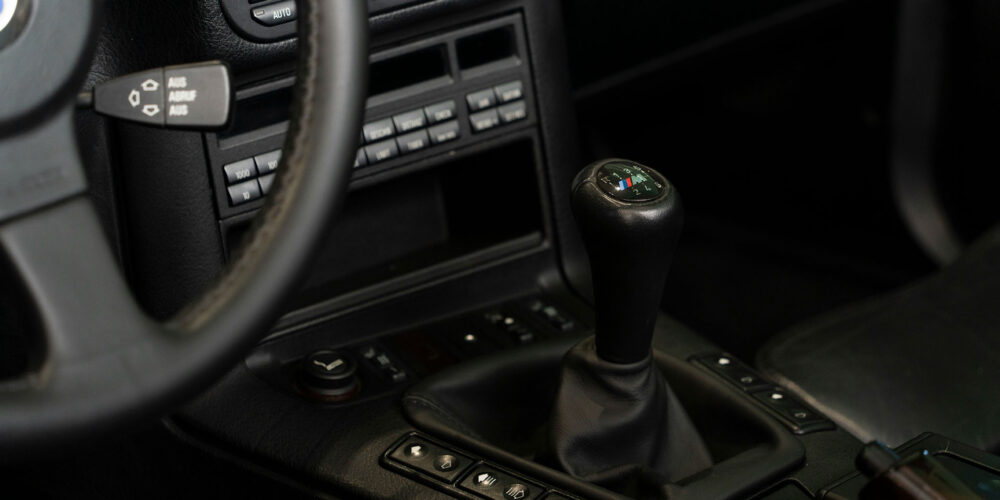
Few things are more frustrating for a driver than a car that refuses to go into gear. Whether you’re sitting at the lights trying to pull away or attempting to reverse out of a parking space, a gearbox that won’t engage can stop you in your tracks. At Service4Service, we specialise in gearbox and transmission repairs, so we know just how common and potentially serious this issue can be.
Understanding why your car won’t go into gear is the first step towards fixing the problem. Below, we’ve explained the top five causes, how they affect your vehicle, and what can be done to put them right.
1. Clutch Problems (Manual Cars)
For manual vehicles, the clutch is often the prime suspect when gears won’t engage. If the clutch fails to disengage properly when you press the pedal, the gearbox cannot shift smoothly into gear.
Common causes include:
- A worn clutch plate that no longer grips effectively.
- A faulty release bearing or pressure plate that prevents smooth operation.
- Hydraulic issues, such as low fluid levels or air in the clutch line.
In many cases, drivers first notice this as difficulty getting into first or reverse gear, often accompanied by grinding noises. Left unresolved, the problem will only worsen, leading to expensive repairs. Our gearbox specialists can quickly diagnose clutch-related issues and recommend whether a repair or full replacement is needed.
2. Low or Contaminated Transmission Fluid (Automatic Cars)
For automatic vehicles, transmission fluid is essential. It lubricates moving parts, maintains hydraulic pressure, and prevents overheating. If the fluid is low, old, or contaminated, the transmission may struggle to engage gears.
Symptoms include:
- Delayed or rough shifting.
- The car slipping out of gear unexpectedly.
- Overheating or unusual whining noises.
Many drivers overlook fluid changes, but transmission fluid deteriorates over time, especially in stop-start driving conditions. Regular servicing helps prevent this, but if your car is already refusing to go into gear, a fluid flush or more in-depth repair may be required.
3. Gear Linkage or Selector Issues
Sometimes the problem isn’t inside the gearbox at all, but in the linkage or selector mechanism that connects your gear lever to the transmission. If this linkage is worn, stretched, or misaligned, you may find it physically difficult to move the gear stick into position.
This issue is more common in older vehicles or cars that have seen heavy use. Fortunately, it is often one of the simpler fixes compared to internal gearbox faults. A technician can inspect the linkage, adjust it, or replace worn parts to restore smooth gear changes.
4. Worn or Damaged Synchronisers (Manual Gearboxes)
Synchronisers are small but vital components inside manual gearboxes. Their role is to match the speeds of the gears as you shift, allowing for a smooth, clash-free change. If synchronisers wear out, you may notice grinding noises when attempting to engage certain gears, or find that some gears simply won’t engage at all.
This type of fault usually develops gradually. Drivers may first notice that second or third gear becomes difficult to select, before the problem spreads to other gears. Repairing worn synchronisers typically involves dismantling the gearbox, so it’s best carried out by a gearbox specialist like Service4Service.
5. Internal Gearbox Damage
In the worst cases, a car refusing to go into gear points to internal gearbox damage. This could include worn bearings, broken gear teeth, or problems with the valve body in automatic transmissions.
Internal issues often present alongside other symptoms such as:
- Loud knocking, whining, or clunking sounds.
- The gearbox slipping between gears.
- Burning smells caused by overheating components.
Internal gearbox repairs are more complex and require specialist knowledge. At Service4Service, our experienced technicians can strip down and rebuild gearboxes, replacing worn components and restoring performance without necessarily resorting to a full replacement.
Why Prompt Action Matters
If your car won’t go into gear, it’s crucial to address the problem quickly. Continuing to drive with transmission faults can cause further damage and turn a relatively minor repair into a major expense. What starts as a simple fluid issue, for example, can escalate into significant internal wear if ignored.
Prompt diagnosis from a gearbox specialist not only saves money in the long run but also ensures your car remains safe to drive. Gearbox problems can compromise your ability to control the vehicle, making timely repairs a matter of safety as well as reliability.
How Service4Service Can Help
At Service4Service, we specialise in gearbox and transmission repairs for both manual and automatic vehicles. Our technicians are trained to identify the root cause of shifting issues, whether it’s a simple linkage adjustment, a clutch replacement, or a full gearbox rebuild.
We use manufacturer-approved parts and follow strict quality standards to ensure that every repair restores your car to peak condition. With nationwide coverage and access to trusted specialists, you can rely on us to get your car back on the road quickly and efficiently.
Don’t Wait Until it Gets Worse
A car that won’t go into gear can be caused by a wide range of issues, from clutch faults and fluid problems to internal gearbox damage. While some fixes are straightforward, others require the expertise of a gearbox specialist.
At Service4Service, we’re committed to providing expert diagnosis and high-quality gearbox repairs that keep your vehicle safe, reliable, and ready for the road. If you’re struggling with gear selection problems, don’t wait until the issue gets worse. Contact our team today and let us take care of it.