
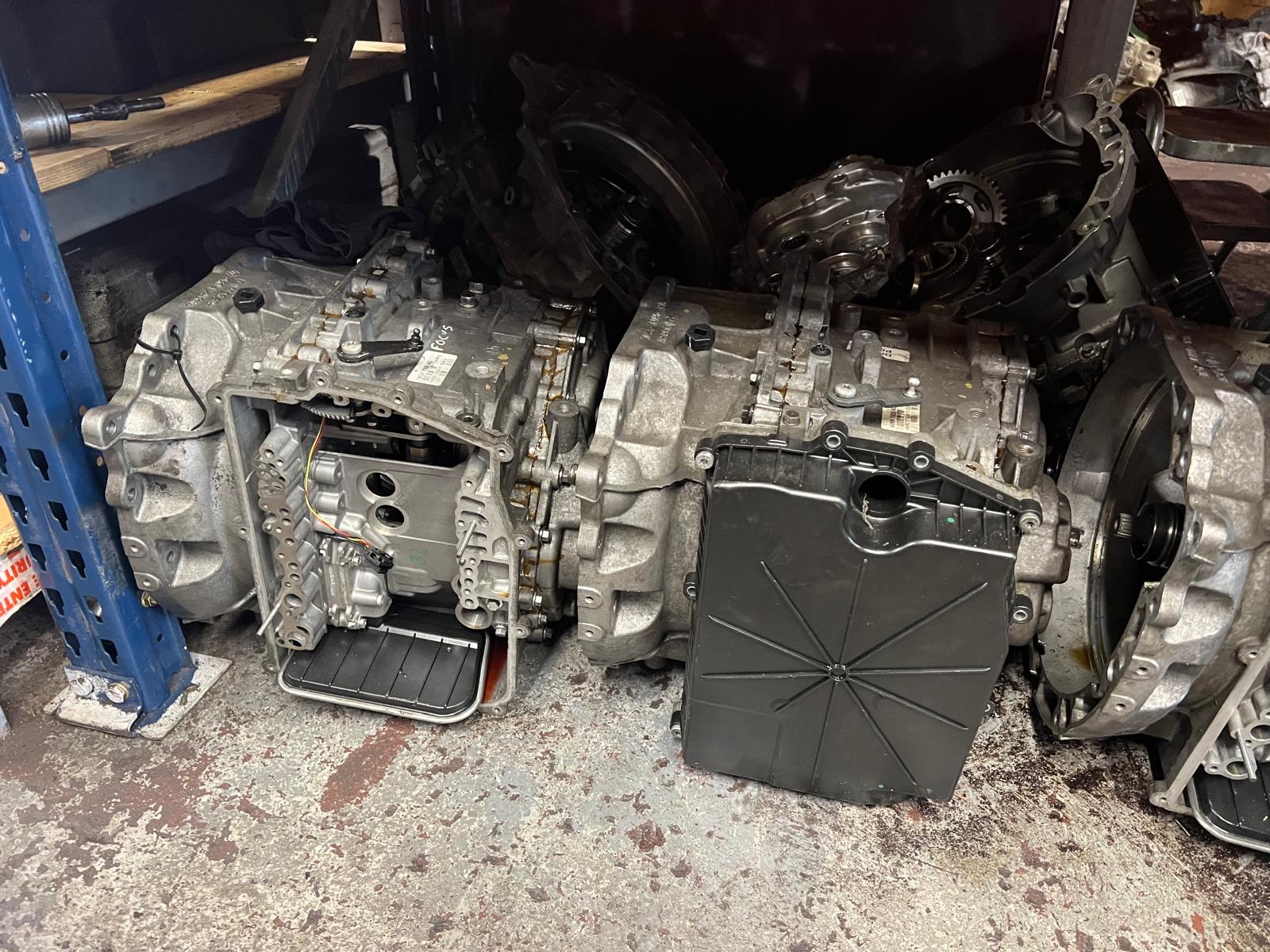
A flashing D light or PRNDS display usually means the gearbox control unit has logged a fault and the car may be in limp mode- this is a transmission fault warning: the gearbox control unit has detected a problem and stored a code. Manufacturers use a flashing display rather than a separate warning lamp on many models, which is why plenty of drivers do not realise their car even has a gearbox warning until the D starts blinking at them. What it means in practice varies by brand, but the response is the same everywhere: get the transmission codes read, because the flash is the messenger, not the message.
What the flash means by manufacturer
Honda is the best known example: a flashing D on Jazz, Civic, CR-V and others is Honda’s dedicated transmission fault warning, and it usually appears with a stored code and often a change in shift behaviour. VW Group cars, including Audi, SEAT and Skoda, flash the entire PRNDS strip when the DSG logs a fault, frequently alongside juddering, hesitation or limp mode. Mazda and Mitsubishi use a flashing gear position or an AT warning. Nissan tends to pair CVT faults with a conventional warning lamp, while some Kia and Hyundai models flash the D or show a transmission message. BMW and Mercedes generally use text warnings instead, such as Drivetrain Malfunction or Transmission Malfunction.
The details differ, but a useful rule holds across all of them: a flashing display is treated by the manufacturer as more urgent than a steady one. Flashing means an active fault the gearbox is currently managing around, not just a note in the logbook.
What tends to be behind it
The faults that trigger a flashing indicator are the transmission control unit’s usual suspects: speed sensor failures, shift solenoid faults, pressure switch problems, clutch slip the unit has measured electronically, overheating, and on dual clutch cars, mechatronic faults. On many Hondas the flashing D traces to well documented pressure switch and solenoid issues. On DSG cars a flashing PRNDS regularly points to the mechatronic. None of this can be assumed from the flash alone, which is the point: the stored code and freeze frame data identify the actual fault in minutes, where guesswork replaces parts for weeks.
Can you drive with it flashing?
If the car is driving normally, a short careful journey home or to a workshop is generally reasonable. If the flashing comes with slipping, juddering, harsh changes, limp mode or a burning smell, the safe answer is to stop and arrange recovery, because those combinations mean the fault is doing damage while you drive. Either way, the car should not be driven for days with the display flashing. Some faults behind the flash are trivial, some are urgent, and until the codes are read you do not know which you have. Our post on the gearbox warning light covers the wider family of transmission warnings and why clearing them without diagnosis is a mistake.
What a proper diagnosis looks like
A transmission capable scan tool reads the codes and the data recorded at the moment the fault triggered. The technician checks fluid condition, verifies the suspect sensor or solenoid electrically, and road tests with live data to see the fault happen. That process regularly separates a modest electrical repair from the major mechanical fault the flashing display had the owner fearing. It also works the other way: a flash that a generic code reader dismissed as a glitch sometimes turns out to be measured clutch slip that needed acting on. The flash itself tells you neither. The data does.
Frequently asked questions
Why is the D flashing on my dashboard?
A flashing D is a transmission fault warning, used by Honda and several other manufacturers. A fault code has been stored and the gearbox needs scanning, even if the car still drives normally.
What does a flashing PRNDS display mean on a VW or Audi?
The DSG gearbox has logged a fault. It often relates to the mechatronic unit or clutch system, and the stored codes identify the specific cause.
Can I keep driving with a flashing gear indicator?
Briefly and gently if the car drives normally, to reach a workshop. If it comes with slipping, juddering, limp mode or a burning smell, stop and arrange recovery.
Will the flashing stop on its own?
It may stop if the fault is intermittent, but the code stays stored and the fault remains. A warning that comes and goes still needs diagnosing, and the stored data makes that possible.
Why are my PRNDS lights flashing?
Flashing PRNDS lights usually mean the gearbox control unit has detected a fault and logged an error code. On VW, Audi, SEAT and Skoda models with a DSG gearbox, it’s often linked to the mechatronic unit or clutch. The car may also go into limp mode. Have the fault codes read before driving further.
Gear display flashing at you? Let the codes do the talking before anything is replaced. Call Service4Service on 0808 164 0418 or send an enquiry for a full transmission diagnostic and a fixed price quote.