
Understanding Fault Codes in Modern Vehicles
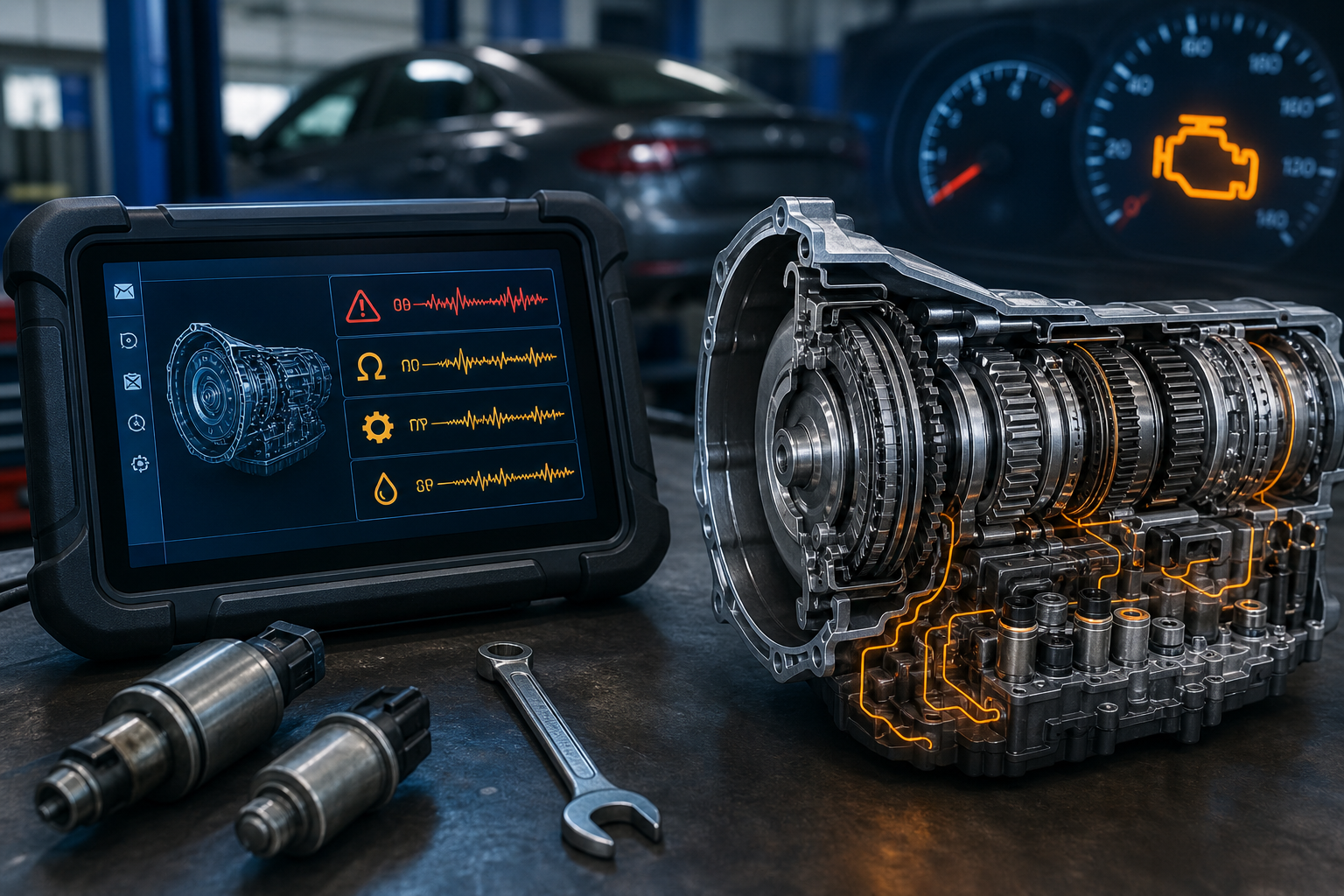
Modern vehicles are equipped with onboard diagnostic systems. These systems monitor how different components perform, including the gearbox. When something goes wrong, a fault code is stored.
At Service4Service, we use specialist equipment to read these codes. They provide a starting point for diagnosing gearbox problems.
What a Fault Code Actually Tells You
A fault code does not always identify a single failed part. Instead, it highlights where the system has detected an issue. This could relate to sensors, pressure levels, or gear selection.
For example, a code might indicate a problem with shift timing or fluid pressure. It signals that something is not operating within the expected range.
Interpreting these codes requires experience. Misreading them can lead to unnecessary repairs.
Common Types of Gearbox Fault Codes
Gearbox-related fault codes often fall into a few categories. These include issues with solenoids, sensors, or internal mechanical performance.
Solenoids control the flow of fluid inside automatic gearboxes. If they fail, gear changes can become delayed or harsh. Sensor faults can affect how the system reads speed or load.
Some codes point to slipping or incorrect gear ratios. These can indicate internal wear or fluid problems.
Why Fault Codes Should Not Be Ignored
When a fault code is stored, it usually means the system has detected a problem early. Ignoring it can allow the issue to develop further.
In some cases, the vehicle may enter a reduced performance mode. This is designed to protect the gearbox from damage.
Addressing the problem early can help avoid more costly repairs later.
The Diagnostic Process at Service4Service
Reading the fault code is only the first step. At Service4Service, we combine this information with physical inspections and road testing.
We check fluid levels and condition. We assess how the gearbox behaves under different conditions. We also look for patterns in the data.
This approach allows us to identify the root cause rather than just the symptom.
When Fault Codes Can Be Misleading
Fault codes are useful, but they are not always straightforward. A single issue can trigger multiple codes. In some cases, a code may relate to a secondary problem rather than the main fault.
This is why professional diagnosis is important. It ensures the correct repair is carried out.
Keeping Your Gearbox System Healthy
Regular servicing helps reduce the risk of faults developing. Clean fluid and well-maintained components allow the system to operate correctly.
If a warning light appears or a fault code is detected, it is best to act quickly. Early intervention can make a significant difference. For expert gearbox diagnostics and repairs, contact Service4Service.
 Malachy
  Ellis
Ellis