
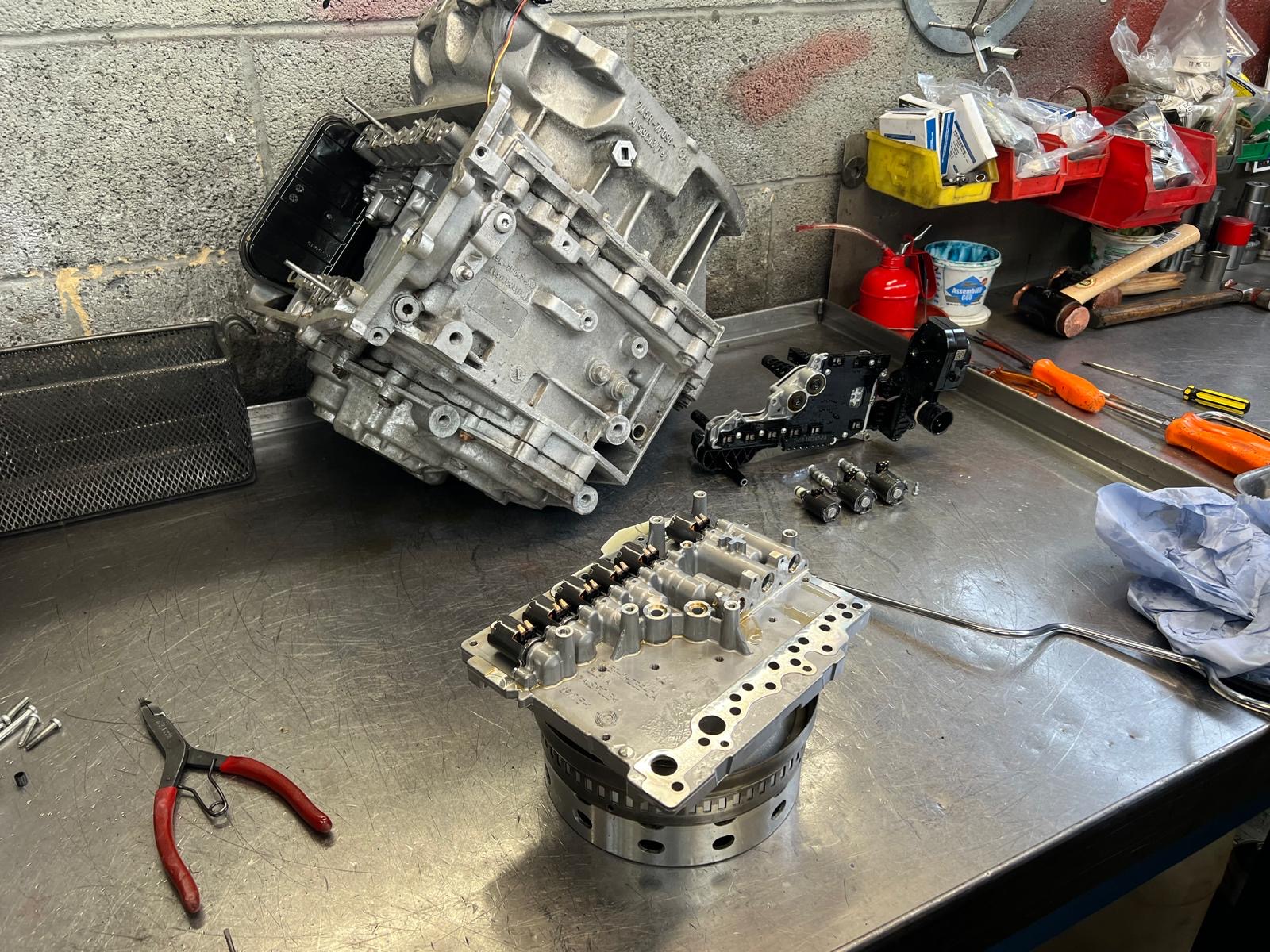
Ignoring a gearbox warning light is one of the most common ways a repairable fault becomes an expensive one. The light is the transmission system telling you something is wrong. The longer it is left, the more damage accumulates and the higher the repair bill becomes.
This post covers what the gearbox warning light actually means, what happens at each stage if it is ignored, and what you should do when it comes on.
What Is the Gearbox Warning Light?
The gearbox warning light is a dashboard indicator that illuminates when the vehicle’s onboard diagnostic system detects a fault within the transmission. Depending on the make and model, it may appear as a dedicated gearbox symbol, a spanner or wrench icon, or the engine management light.
On some vehicles the light is amber, indicating a fault that needs attention soon. On others it appears red, which signals a more serious issue that should be addressed immediately. A red gearbox warning light means you should stop driving as soon as it is safe to do so.
For a fuller explanation of what the fault codes behind the light actually mean, see our post on what fault codes mean for your transmission.
What Causes the Gearbox Warning Light to Come On?
The light does not always mean serious mechanical failure. Common triggers include:
- Low or degraded transmission fluid
- A faulty solenoid or sensor
- A problem with the transmission control unit
- Overheating transmission fluid
- Internal mechanical wear or damage
- A fluid leak causing pressure loss within the system
In some cases the fault is electrical and straightforward to resolve. In others it points to progressive mechanical damage that will worsen if the vehicle continues to be driven. The only way to know which is a diagnostic check the light alone does not tell you how serious the fault is.
What Happens If You Ignore It?
Stage one: the fault develops At the point the warning light first appears, the fault may be minor. A solenoid fault, a degraded fluid condition or a sensor reading outside its normal range can all trigger the light without causing immediate driving problems. At this stage, the repair is likely to be straightforward and relatively low cost.
Stage two: symptoms appear If the light is ignored and the vehicle continues to be driven, the underlying fault will usually begin to affect how the gearbox behaves. You may notice rough or delayed gear changes, slipping between gears, hesitation when pulling away or unusual noises from the transmission area. These are signs the fault is developing into something more serious. For a full list of what to look out for, see our post on signs your gearbox is about to fail.
Stage three: limp mode Many modern vehicles will enter limp mode when the transmission management system detects that continued normal driving risks further damage. In limp mode the vehicle restricts itself to one or two gears and limits speed. This is a protective measure, not a solution. If your car enters limp mode it should be recovered or driven only as far as needed to reach a specialist safely.
Stage four: serious internal damage Continuing to drive beyond limp mode, or in a vehicle that has not triggered limp mode but is showing clear symptoms, risks serious internal damage. Overheating destroys transmission fluid rapidly and accelerates wear on clutch packs, bearings and planetary gear sets. What may have been a simple solenoid replacement at stage one can become a rebuild or a full replacement unit at this stage.
Stage five: complete gearbox failure At the extreme end, a gearbox that has been driven through sustained fault conditions can fail completely. This means the vehicle loses drive entirely and cannot be moved under its own power. At this point the vehicle requires recovery, and the repair cost is at its highest. A fault that cost very little to fix at the warning light stage turn into a complete failure.
Is It Ever Safe to Keep Driving With the Light On?
If the light is amber, there are no other symptoms and the car is driving normally, it is generally acceptable to drive carefully to a garage for a diagnostic check. Do not make long journeys and avoid motorway driving until the fault has been identified.
If the light is red, or if the light is accompanied by any of the following, stop driving as soon as it is safe to do so:
- Slipping gears or loss of drive
- Loud grinding, clunking or whining noises
- A burning smell from the transmission
- The vehicle entering limp mode
- Difficulty selecting gears
Driving through any of these symptoms significantly increases both the safety risk and the repair cost. For more detail on whether it is safe to continue driving, see our post on can you drive with a slipping gearbox.
What Should You Do When the Light Comes On?
Step one: note any other symptoms Take note of how the car is behaving. Is it driving normally or are there changes in gear quality, noise or responsiveness? This information helps a specialist narrow down the fault quickly.
Step two: check the transmission fluid if possible On some vehicles the transmission fluid level can be checked without specialist equipment. If the level is low, this points to a leak that needs to be found and repaired rather than simply topped up.
Step three: book a diagnostic check promptly Do not wait to see if the light goes out on its own. In some cases it may clear temporarily, but the underlying fault will remain and the stored code will be retrievable by a specialist. An early diagnostic is the most cost-effective step you can take.
Step four: get a clear quote before any work starts A reputable gearbox specialist will carry out a full diagnostic before recommending repairs and will provide a written quote for any work. At Service4Service, we never recommend work without identifying the fault first.
For guidance on choosing the right specialist, see our post on how to find a gearbox specialist near you.
Frequently Asked Questions
Can a gearbox warning light come on and then go off by itself? Yes. The light can clear if the fault is intermittent or if the conditions that triggered it change. However, the fault code will remain stored in the vehicle’s diagnostic system. This does not mean the problem has gone away it means it has not been triggered again yet. A diagnostic check will retrieve the stored code and identify what caused it.
Does the gearbox warning light always mean the gearbox is damaged? Not always. The light can be triggered by sensor faults, electrical issues or fluid conditions rather than mechanical damage. This is why a diagnostic is essential before assuming the worst. In some cases the repair is minor and low cost.
Will ignoring a gearbox warning light fail my MOT? A warning light that is illuminated during the MOT test will result in a failure. An advisory may be issued for a light that was on previously but has since cleared. Either way, any active warning light on the dashboard needs to be investigated and resolved.
My gearbox warning light came on after a long motorway drive. Should I be worried? Overheating is a common trigger for gearbox warning lights after sustained high-speed driving. This can be caused by low fluid, a partially blocked transmission cooler or driving conditions that place higher than normal load on the gearbox. Have it checked before driving long distances again.
If your gearbox warning light is on, the right move is to get it diagnosed before the fault develops further. Contact the Service4Service team for same-day advice on 0808 164 0418 or send an enquiry online.