
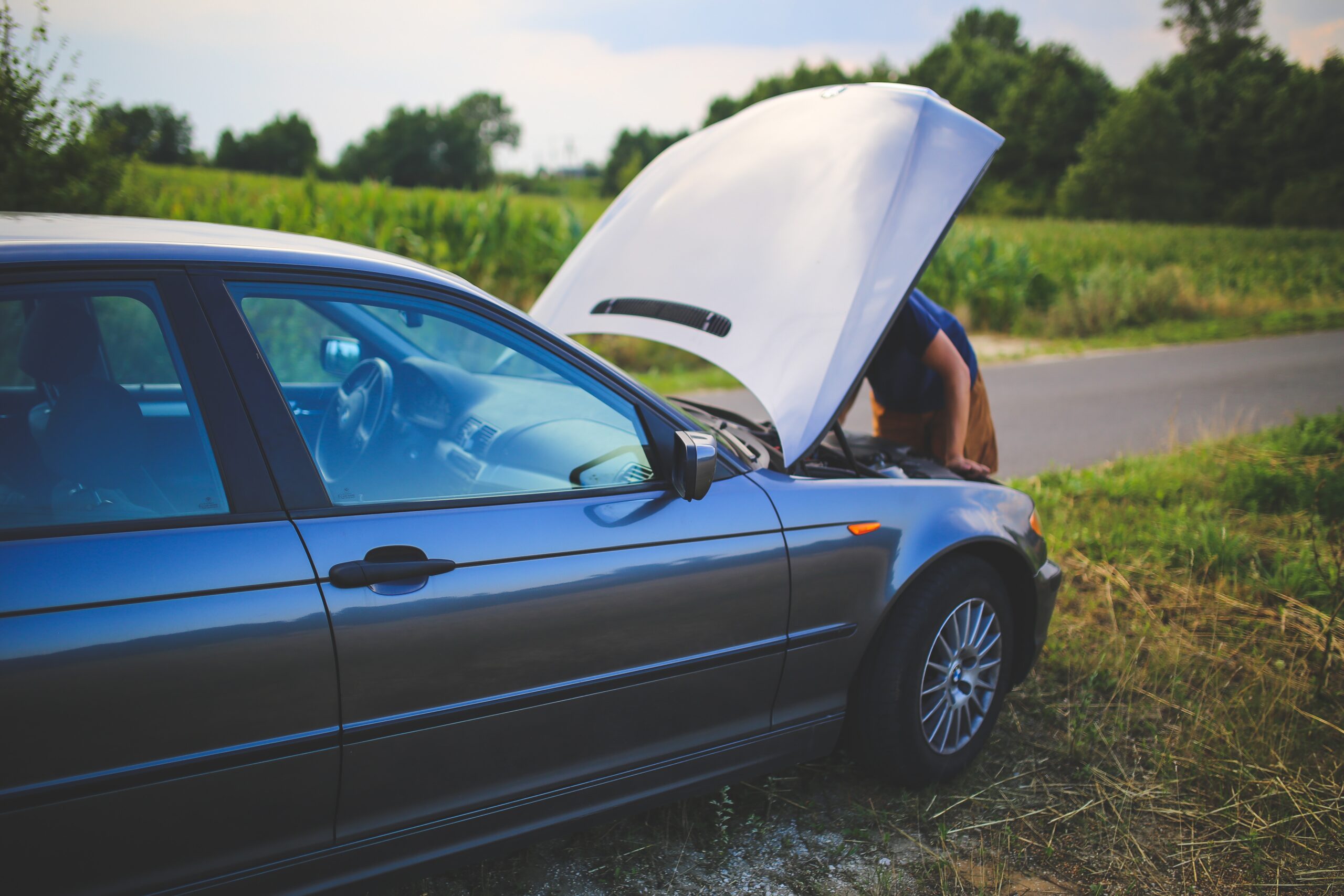
No. You should not drive with a slipping gearbox. A slipping gearbox means the transmission is failing to hold gear properly, and continuing to drive with this fault risks losing control of the vehicle, causing further internal damage and turning a repairable problem into a full gearbox replacement.
That is the short answer. The full picture depends on how serious the slip is, what type of gearbox you have, and what is causing it.
What Does a Slipping Gearbox Actually Feel Like?
Gearbox slip is when the transmission changes into or out of gear unexpectedly, or fails to hold the gear you have selected. In practice, drivers describe it in different ways depending on whether they have a manual or automatic:
In an automatic, the most common sign is the engine revving higher than normal without a matching increase in speed. The car feels like it is struggling to pull, or there is a noticeable pause or lurch between gear changes. In some cases, the vehicle drops out of gear entirely for a moment before re-engaging.
In a manual, slip often feels like the gear jumping out while driving, resistance when trying to engage a gear, or a grinding sensation during a change. The clutch may feel different too, engaging higher up the pedal than usual.
Both are signs of a fault that should be diagnosed promptly.
Is It Safe to Drive With a Slipping Gearbox?
No. The safety risks of driving with a slipping gearbox are significant. They include:
Loss of drive at speed. If the gearbox slips out of gear on a fast road or motorway, the vehicle loses power instantly. Other drivers may not have time to react, and you may not be able to accelerate clear of a hazard.
Unpredictable behaviour in traffic. A gearbox that slips in stop-start conditions can cause the vehicle to behave unexpectedly at junctions and roundabouts, where smooth drive engagement is critical.
Limp mode. Modern vehicles are designed to enter limp mode when the transmission management system detects a fault. This restricts the vehicle to low speed and limited gears to protect the transmission. If your car enters limp mode, it should not be driven beyond what is needed to get it safely off the road.
Legal risk. Driving a vehicle with a known mechanical fault that affects control is a road traffic offence under UK law. If you are involved in an incident while aware of a gearbox fault, your insurance may not cover you.
What Causes a Gearbox to Slip?
Slipping is a symptom, not a single fault. The underlying cause can vary significantly, which is why a proper diagnostic is always the right starting point. Common causes include:
Low or degraded transmission fluid. Fluid loss through a leak, or fluid that has broken down over high mileage, is one of the most common causes of gearbox slip. Low fluid reduces the hydraulic pressure needed to engage gears properly in an automatic, and reduces lubrication in a manual.
Worn clutch packs (automatic). Automatic gearboxes use clutch packs internally to engage each gear ratio. Wear to these packs reduces their ability to hold under load, causing slip particularly under acceleration.
Faulty solenoids. Solenoids control the flow of fluid within an automatic gearbox. A faulty solenoid can cause incorrect or delayed gear engagement, which presents as slip.
Valve body fault. The valve body regulates hydraulic pressure throughout the automatic transmission. A worn or blocked valve body can cause pressure drops that result in slip between gears.
Worn synchromesh (manual). In a manual gearbox, synchromesh rings synchronise the speed of the gear before engagement. Worn synchromesh causes difficulty selecting gear, grinding and in some cases the gear not holding once selected.
Worn clutch (manual). A clutch that is worn beyond its usable life will slip under load, causing the engine to rev without the power being transferred to the wheels.
Will Driving With a Slipping Gearbox Make It Worse?
Yes, almost certainly. What may start as a fluid issue or a worn solenoid can develop quickly into internal component damage if the vehicle continues to be driven. Heat is the primary cause of accelerated damage. A slipping gearbox generates more heat than a healthy one, and that heat degrades fluid, wears friction surfaces and puts stress on components that are already under pressure.
Automatic gearboxes are particularly sensitive to this. DSG and CVT transmissions can deteriorate rapidly if driven with a known fault. What might be a simple repair at the point of first symptoms can become a major rebuild if the vehicle is driven for another few weeks.
What Should You Do If Your Gearbox Is Slipping?
Stop driving as soon as it is safe to do so. If the slip is severe, particularly if the car is losing drive or behaving unpredictably, pull over safely and do not continue.
Check the transmission fluid level if you can. On some vehicles this is straightforward. If the level is low, do not top up and continue driving without first identifying why the fluid is low. A leak will need to be found and repaired before more fluid is added.
Do not ignore warning lights. A transmission warning light alongside slipping is a signal to stop driving and book a diagnostic immediately.
Contact a gearbox specialist. If the vehicle is not safe to drive, ask about collection. Many gearbox specialists, including Service4Service, offer nationwide collection so you do not need to risk driving a vehicle with a known fault.
Frequently Asked Questions
Can a slipping gearbox fix itself? No. A slipping gearbox will not resolve without intervention. In some cases, a fluid change will address early-stage slip caused by degraded fluid, but the underlying cause still needs to be identified by a specialist. Ignoring the fault will not make it better.
How long can you drive with a slipping automatic gearbox? There is no safe timeframe. Every mile driven with a slipping automatic risks additional internal damage. The longer the fault is left, the more expensive the repair is likely to be. The right approach is to have it diagnosed as soon as possible.
Can low gearbox fluid cause slipping? Yes. Low fluid is one of the most common causes of slip in an automatic gearbox. The transmission relies on hydraulic pressure to engage gears, and low fluid reduces that pressure. However, low fluid is usually the result of a leak, so simply topping up without finding the source of the leak will not solve the problem.
Is a slipping gearbox covered by car insurance? Car insurance covers damage from accidents and incidents, not mechanical failure. However, if you have breakdown cover, recovery from a slipping gearbox fault may be covered depending on your policy. Check the terms of your specific policy.
What is the difference between a slipping gearbox and a slipping clutch? In a manual car these are related but distinct faults. A slipping clutch means the clutch plate is failing to transfer power fully from the engine to the gearbox. A slipping gearbox means the fault is within the transmission itself. Both present similarly in terms of engine revving without speed, but the location and repair of each are different. A diagnostic will identify which is at fault.
If your gearbox is slipping, the right step is to stop driving and get a specialist to assess it. At Service4Service, we carry out a full diagnostic before recommending any work. You can contact our team for same-day advice, or call us on 0808 164 0418.
 Malachy
  Hayley