
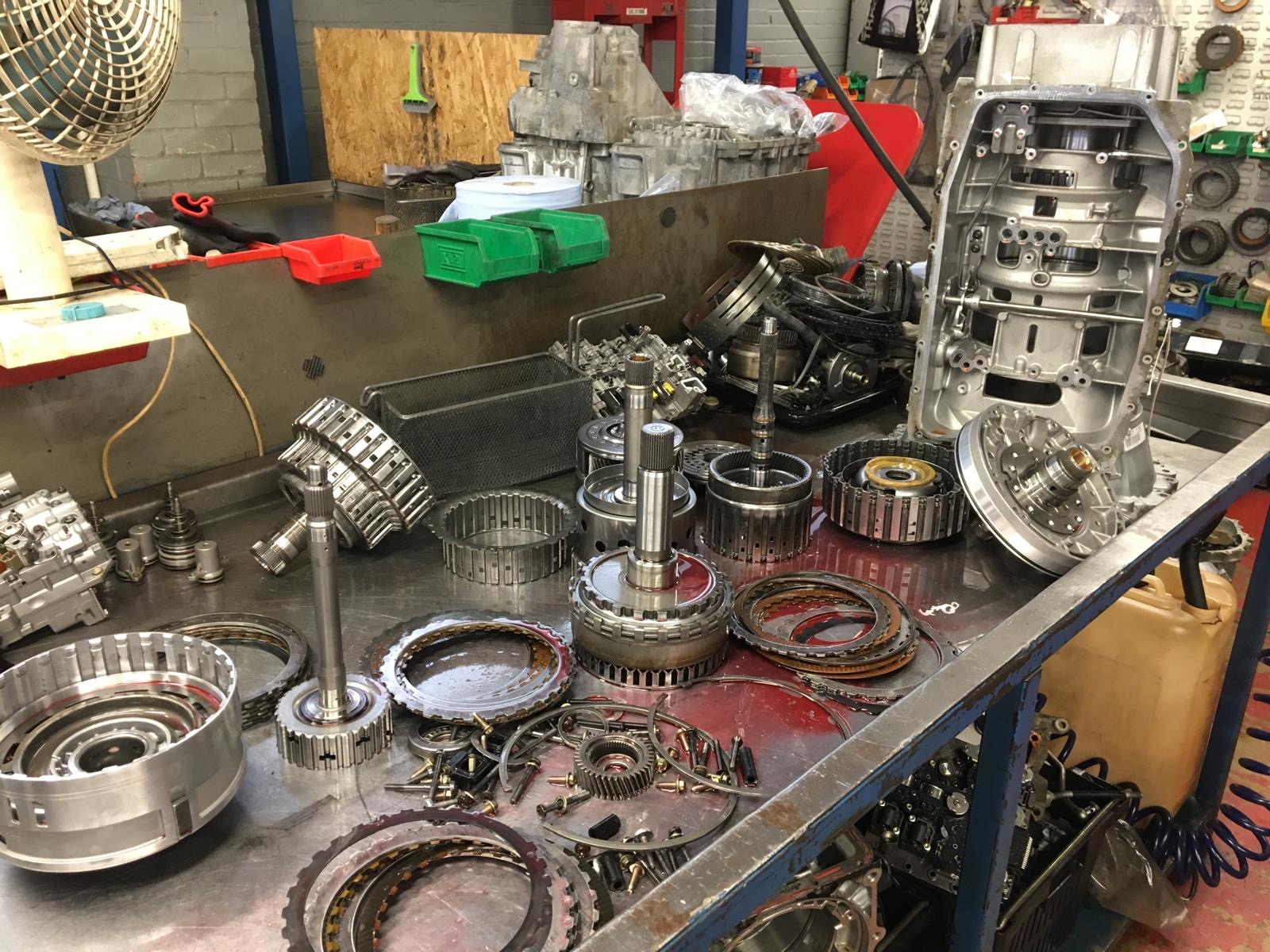
A transmission that slips only when hot is describing its own fault with unusual precision: the hydraulic system can hold pressure with cold, thick fluid, but loses its grip once heat thins the fluid out. The usual culprits are degraded fluid, internal seals that leak when expanded and hot, valve body wear, or clutch packs part way through wearing out. Heat related slip is a middle chapter fault: the gearbox has measurable wear, but it still works for most of every journey, which makes right now the best time it will ever be to repair it.
Why heat changes the gearbox’s behaviour
Transmission fluid thins as it warms. Thin fluid leaks more readily past worn seals and valve bores, so hydraulic pressure that was adequate on the first cold miles bleeds away once the gearbox reaches full temperature. At the same time, the fluid’s friction properties, the characteristics that let clutch plates grip progressively, degrade with age, and degraded fluid performs worst when hot. Put those together and you get the classic pattern: a faultless cold car that starts flaring between changes or slipping on hills forty minutes into a journey, on motorway runs, in summer traffic or when towing.
It is worth noting the mirror image fault exists too. A gearbox that misbehaves cold and improves warm points to thick fluid and sticking valves, covered in our post on hard shifting when cold. Hot slip and cold harshness are the two ends of the same hydraulic ageing story.
The causes, from cheapest to dearest
Degraded fluid comes first. Old fluid thins excessively when hot and has lost the friction additives that grip depends on. If the fluid is dark, smells burnt or has never been changed, this is the opening move, and on gearboxes caught early a proper fluid service resolves hot slip outright.
Worn seals and valve body wear come next. Piston seals harden with age and heat cycles, and hot thin fluid finds every worn bore in the valve body. These faults produce exactly this heat dependent pressure loss, and they are repairable at the valve body and seal level if the clutches have not been damaged in the meantime.
Clutch wear is the third stage. Every hot slip event burns a little friction material, so a gearbox left slipping through a summer converts a hydraulic fault into a mechanical one. Once the linings are worn, the slip stops being heat dependent and becomes constant, and the repair becomes a rebuild. The full mechanics of slip are covered in our guide to gearbox slipping.
One more suspect deserves a check: the cooler. A partially blocked transmission cooler lets temperatures climb beyond design on long runs, and an overheating gearbox will slip even with moderate wear. If the hot slip arrives with a temperature warning or burnt smelling fluid, read our post on transmission overheating alongside this one.
What to do and what to avoid
Until it is diagnosed, drive the car gently once warm, avoid towing and hard hill work, and do not simply keep adding fluid additives sold as slip cures, which at best mask the symptom while the wear continues. Get the fluid inspected promptly: its colour, smell and any debris tell a specialist which chapter of the story the gearbox is in. From there, pressure testing hot confirms whether the fault is fluid, seals and valve body, or clutch wear, and the repair is sized honestly to match.
Frequently asked questions
Why does my transmission slip only when warm?
Heat thins the fluid, which then leaks past worn seals and valve bores, dropping the pressure that clamps the clutches. Aged fluid, worn seals and early clutch wear are the usual causes.
Can a fluid change fix slipping when hot?
If degraded fluid is the cause and the clutches are undamaged, yes. If seals or the valve body are worn, fresh fluid helps but the hydraulic repair is the cure.
Is it safe to drive a car that slips when hot?
Gently and briefly, yes, but every hot slip event wears the clutches further. It should be diagnosed within days, and hard driving and towing avoided until then.
Will slipping when hot get worse?
Yes, and predictably so. Heat dependent slip becomes constant slip as the friction material wears, and the repair grows from a service or valve body job into a rebuild.
Slipping once the car warms up? Catch it in the hydraulic chapter, before it reaches the mechanical one. Call Service4Service on 0808 164 0418 or send an enquiry for honest advice and a fixed price quote with a 12 month guarantee.
 Ellis
Ellis