
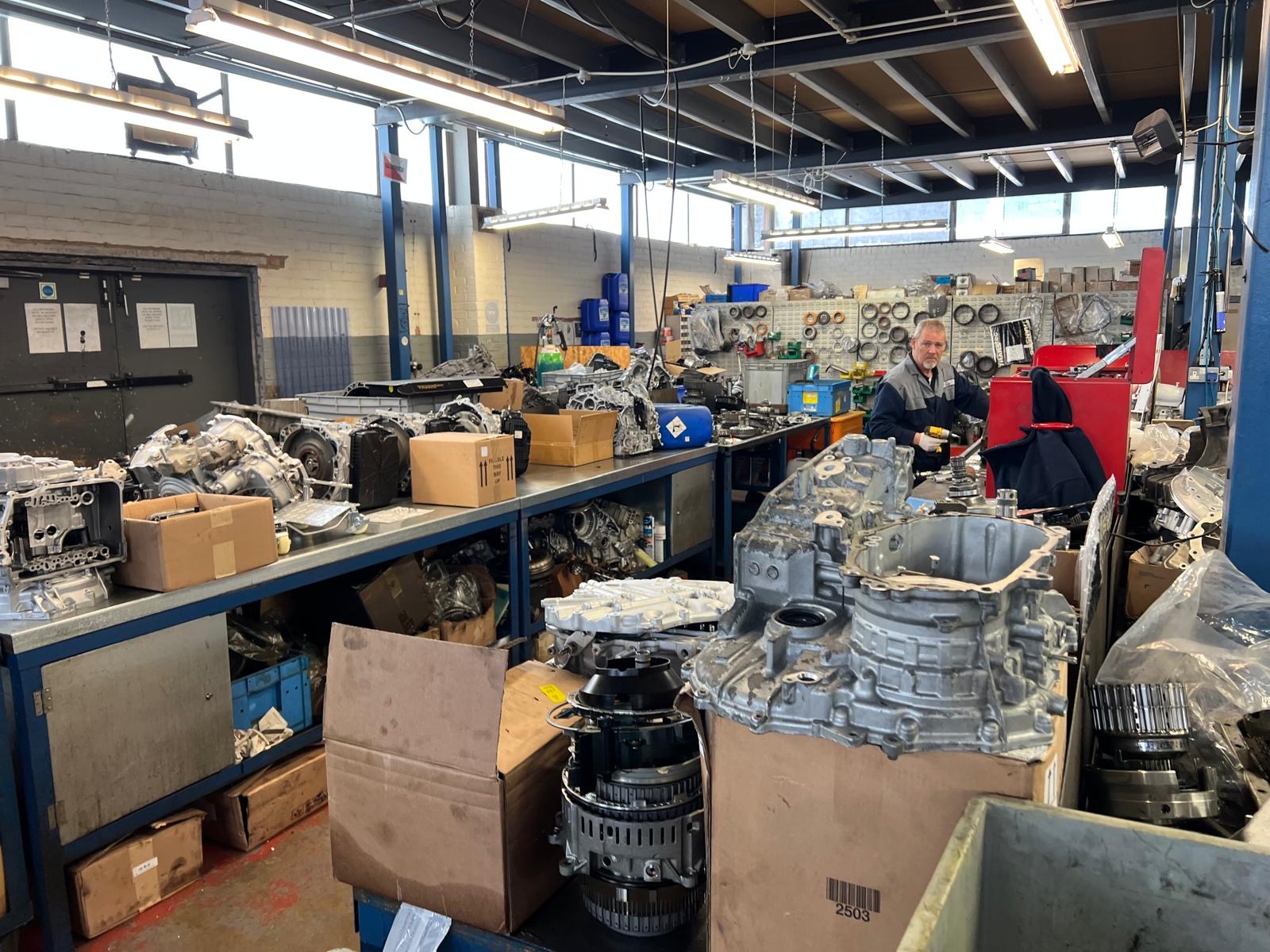
Gearbox slipping is when the engine revs rise but the car does not accelerate to match, or the gearbox falls out of gear under load. It is one of the clearest signs that an automatic gearbox needs attention, and it rarely improves on its own. In most cases the cause is worn clutch friction material, degraded transmission fluid or a hydraulic pressure fault, and the earlier it is diagnosed, the more repair options you have.

What gearbox slipping feels like
Most drivers notice slipping in one of three ways. The engine note flares between gear changes, as if the clutch is not gripping before the next ratio takes over. The rev counter climbs under acceleration while road speed lags behind. Or the car momentarily loses drive on a hill or when pulling away with a load, then catches again with a jolt.
Slipping can start subtly. A change that used to be seamless takes a fraction longer. The car feels lazier joining a motorway than it did last year. Many owners put this down to age, but a healthy automatic should hold its gears firmly for the life of the vehicle. Any sensation of the engine and the wheels disagreeing with each other is worth investigating.
The most common causes
Inside an automatic gearbox, drive passes through sets of clutch plates that are squeezed together by hydraulic pressure. Slipping happens when those clutches cannot hold the torque being sent through them. That comes down to a handful of causes.
Worn friction material is the classic one. Clutch plates wear gradually with every gear change, and once the friction lining thins past a certain point the plates cannot grip under hard acceleration. The wear itself sheds material into the fluid, which accelerates the problem.
Degraded or low transmission fluid is just as common. The fluid is what transmits the pressure that clamps the clutches, so old, burnt or low fluid means weak clamping force. If the fluid has never been changed on a higher mileage car, this is often where the story starts. Our guide to the automatic gearbox fluid change covers this in more detail.
Hydraulic faults sit behind the rest. A worn oil pump, a sticking valve body or a failing solenoid can all starve the clutches of pressure even when the clutch material itself is healthy. On dual clutch gearboxes such as the VW DSG or Ford PowerShift, slipping usually points to clutch pack wear or a mechatronic pressure fault.
Can you drive with a slipping gearbox?
Short distances at gentle throttle, usually yes. But every moment of slip generates heat, and heat is what finishes gearboxes off. A clutch that slips under hard acceleration today will slip at normal throttle in a few thousand miles, and by then the shed friction material and overheated fluid have often damaged components that were healthy when the slipping began. Booking a diagnostic at the first sign of slip is the difference between a repair and a full rebuild.
How a specialist diagnoses slipping
A proper diagnosis starts with a fluid inspection and a scan for stored fault codes, followed by a road test to feel where in the range the slip occurs. Slip in a single gear points to one clutch pack or its circuit. Slip across all gears points to line pressure, the pump or the fluid itself. Pressure readings then confirm whether the fault is hydraulic or mechanical before anything is stripped. That sequence matters, because replacing a gearbox for what turns out to be a fluid and solenoid issue is an expensive mistake, and one we see regularly on cars that were diagnosed by guesswork.
Repair options
If slipping is caught early and the cause is fluid or hydraulic, a fluid service, solenoid replacement or valve body repair can restore full drive. Once friction material is worn, the affected clutch packs need replacing, which means removing and opening the gearbox. At that stage a specialist will usually recommend addressing all wear items while the unit is apart. You can read about what that involves in our post on automatic gearbox rebuilds.
Frequently asked questions
What does gearbox slipping feel like?
The engine revs rise without a matching increase in road speed, gear changes flare or feel delayed, and the car can briefly lose drive under load before re-engaging with a jolt.
Can low fluid cause an automatic gearbox to slip?
Yes. Low or degraded fluid reduces the hydraulic pressure that clamps the clutch plates, and it is one of the most common causes of slipping, particularly on cars that have never had a fluid change.
Will a slipping gearbox get worse?
Yes. Slip generates heat and sheds friction material into the fluid, both of which accelerate wear. A gearbox that slips occasionally will deteriorate steadily if it is not repaired.
Does gearbox slipping always mean a new gearbox?
No. Caught early, many slipping faults are resolved with a fluid service, solenoid or valve body work. A replacement is normally only needed when slipping has been ignored long enough to cause widespread internal damage.
If your automatic gearbox is slipping, speak to a specialist before the damage spreads. Call Service4Service on 0808 164 0418 or send an enquiry for honest advice, a proper diagnosis and a fixed price quote, with a 12 month guarantee on parts and labour.
 Ellis
Ellis