
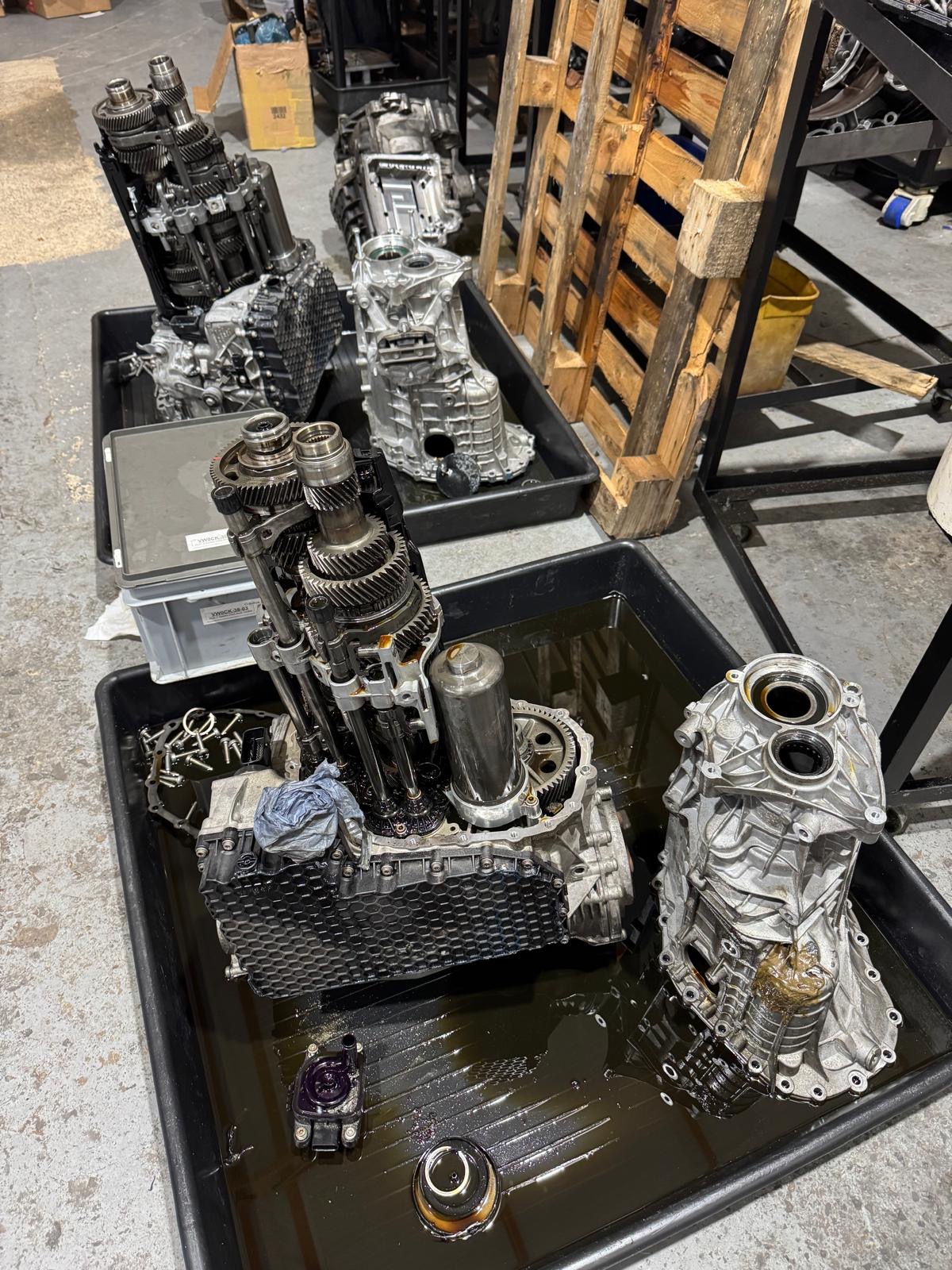
Transmission overheating happens when the gearbox generates heat faster than its fluid and cooler can remove it, and it is one of the fastest ways to destroy an automatic. The warning signs are a gearbox temperature message on the dash, a burning smell, changes becoming harsh or slurred as a journey goes on, and the gearbox slipping when it is hot but behaving when cold. If you see a temperature warning, the right response is simple: pull over safely, let it cool, and get the cause investigated before it happens again.
Why heat is the enemy
Automatic transmission fluid does three jobs at once. It transmits the hydraulic pressure that applies the clutches, it lubricates the internals, and it carries heat away to the cooler. All three depend on the fluid staying within its designed temperature range. Run it too hot and it oxidises, thins out and loses its friction properties. The clutches then slip more, and slip creates more heat, which cooks the fluid further. Overheating is a spiral, and every episode leaves the fluid and the clutch material a little worse than before.
That is why a gearbox that has overheated badly once should always have its fluid inspected, even if it seems to drive normally afterwards. Burnt fluid is dark, smells acrid and often carries a fine sludge of friction material. Once it reaches that state it is actively damaging the gearbox it is supposed to protect.
What causes a transmission to overheat
Low or degraded fluid is the leading cause. There is either not enough fluid to carry the heat away, or the fluid is too old to do it effectively. A blocked or failing transmission cooler comes next. Most automatics cool their fluid through a small radiator or a heat exchanger, and when that path clogs or the cooler fails, temperatures climb even in normal driving.
Driving conditions matter too. Towing near the car’s limit, prolonged hill climbs in hot weather, and long spells of stop start traffic all work the clutches and torque converter hard while airflow through the coolers is low. A healthy gearbox tolerates all of this. A gearbox with tired fluid or a marginal cooler does not.
Finally, internal faults create their own heat. A slipping clutch pack or a torque converter lock up clutch that never fully engages turns engine power directly into heat inside the gearbox. In these cases overheating is the symptom, not the cause, and the underlying fault needs repairing.
What to do if it overheats on the road
Pull over as soon as it is safe, put the car in Park and let the engine idle rather than switching straight off, as an idling engine keeps fluid circulating through the cooler. Give it a proper cooling period, not two minutes. If the warning returns as soon as you drive on, the car needs recovery rather than persistence. Continuing to drive a gearbox that is repeatedly overheating is how a repairable fault becomes a rebuild.
Preventing it from happening again
One overheating episode in extreme conditions with a fully loaded car is not necessarily a fault. Repeated overheating in ordinary driving always is. The investigation starts with fluid condition and level, then the cooler and its pipework, then pressure testing to check for internal slip. Regular fluid changes are the cheapest protection an automatic can have, and if you tow regularly, keeping the fluid fresh matters even more. Our post on the automatic gearbox fluid change explains what a proper service involves.
Frequently asked questions
What are the signs of an overheating gearbox?
A transmission temperature warning on the dash, a burning smell, harsh or slurred changes that worsen as the journey goes on, and slipping that appears once the car is hot are the most common signs.
Can I keep driving if the transmission temperature warning comes on?
No. Pull over safely and let the gearbox cool with the engine idling. If the warning returns when you drive on, the car should be recovered and inspected rather than driven.
Does towing cause transmission overheating?
Towing raises gearbox temperatures significantly, especially on hills and in warm weather. A healthy gearbox with fresh fluid copes, but towing will expose tired fluid or a marginal cooler quickly.
Is a gearbox damaged after overheating once?
A single mild episode usually causes no lasting harm, but the fluid should be checked. Severe or repeated overheating burns the fluid and glazes clutch material, and that damage is permanent until repaired.
If your gearbox is running hot, find out why before it costs you the transmission. Call Service4Service on 0808 164 0418 or send an enquiry for honest advice, a proper diagnosis and a fixed price quote with a 12 month guarantee.
 Ellis
Ellis