
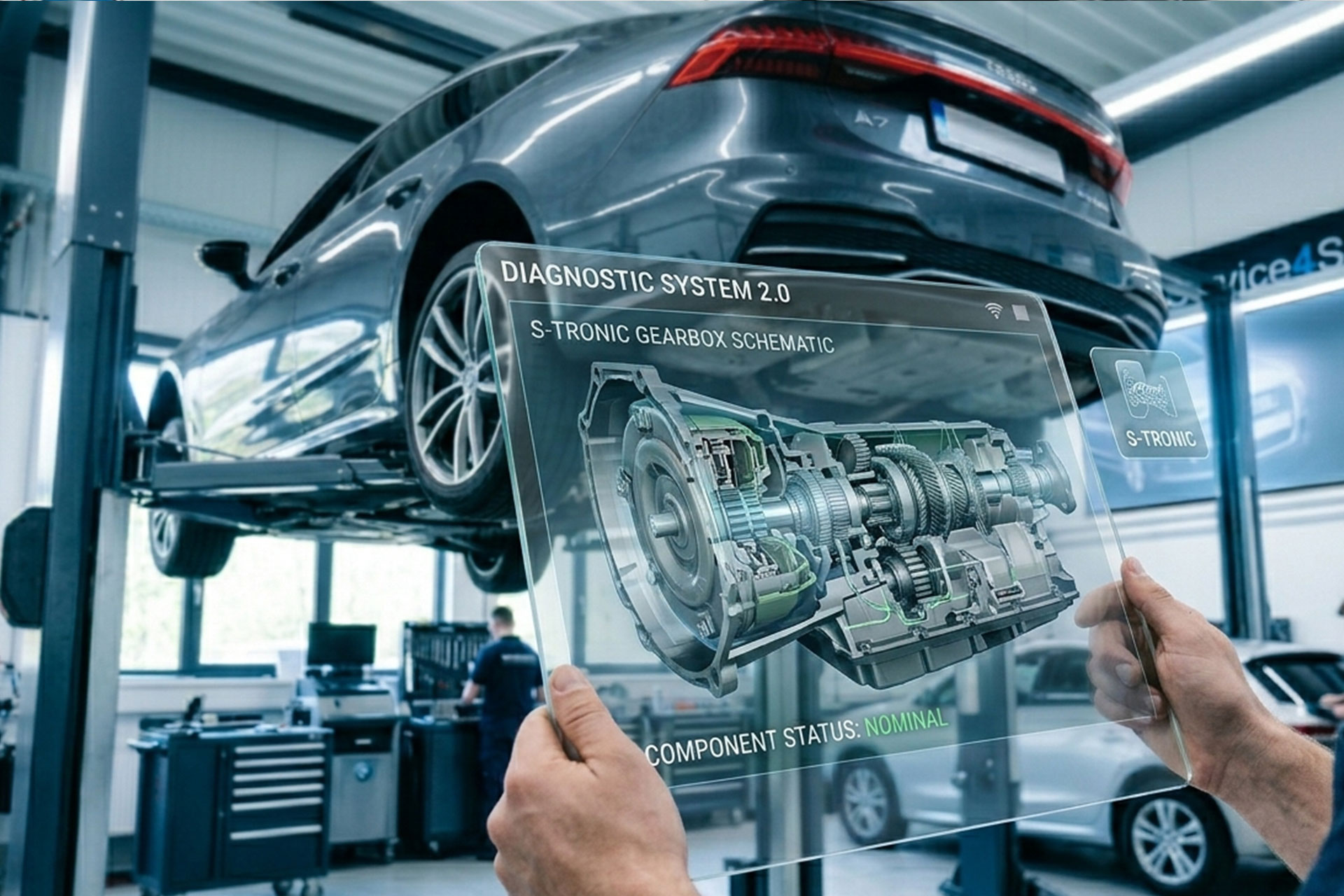
Audi vehicles are known for refinement, strong performance, and advanced engineering. The gearbox plays a central role in that driving feel. Even high-quality transmissions can develop faults over time. At Service4Service, our gearbox specialists regularly diagnose and repair Audi gearbox issues across automatic and S tronic models. Early awareness can help prevent major repair costs later.
Modern Audi gearboxes are highly complex systems. They rely on electronic control units, hydraulic pressure, and precision mechanical parts. They are designed for smooth and fast gear changes. Wear and heat can still cause performance issues over time.
One common issue is delayed gear engagement. This can happen when selecting drive or reverse. The vehicle may pause before moving. Low transmission fluid can cause this problem. A failing mechatronic unit can also contribute. Early symptoms often appear small but can worsen quickly.
Harsh or jerky gear changes are another frequent complaint. Audi S tronic gearboxes are designed for smooth shifting. Rough changes often indicate a developing fault. Old or contaminated transmission fluid is a common cause. Worn clutch packs can also create inconsistent shifting. Software adaptation faults can also affect shift quality.
The DSG and S tronic systems are widely used across Audi models. These gearboxes rely heavily on mechatronic control. Mechatronic faults are a known issue. Electrical failures can affect gear selection. Drivers may experience limp mode or warning lights. The gearbox may also become stuck in one gear.
Gear slipping can also occur. This happens when the gearbox fails to hold the correct gear. Engine revs may rise without matching acceleration. Worn internal clutch components can cause this. Low hydraulic pressure can also contribute. Continued driving can increase internal damage.
Many Audi owners underestimate the importance of gearbox servicing. Some transmissions are described as sealed for life. In practice, transmission fluid degrades over time. Heat reduces lubrication quality. Dirty fluid increases internal wear. Regular servicing improves long-term reliability.
Electronic faults are increasingly common in modern Audi vehicles. Gearboxes depend on multiple sensors. Wiring issues can interrupt communication. Faults can trigger warning messages on the dashboard. Accurate diagnostics are essential before repair work begins. Misdiagnosis can lead to unnecessary repairs.
Torque converter issues can also affect Audi automatic gearboxes. The torque converter transfers engine power to the transmission. Faults can cause shuddering during acceleration. Some drivers notice vibration at low speeds. Fuel economy may also drop. These symptoms are often confused with engine problems.
Oil leaks can develop around gearbox seals and electrical connectors. The mechatronic housing is a common leak point. Low fluid levels can then affect performance. Electrical contamination can occur in severe cases. Early repair usually prevents further damage.
Warning signs that should never be ignored include:
- Burning smells from the transmission area
- Grinding or unusual noises during gear changes
- Gearbox warning lights on the dashboard
- Delays when selecting drive or reverse
These symptoms often point to internal wear or pressure loss. Early inspection can reduce repair costs. It can also help avoid full gearbox failure.
Driving style also affects gearbox lifespan. Aggressive acceleration increases strain. Stop-start driving increases heat. Towing adds additional load. Missed servicing intervals reduce protection.
At Service4Service, our specialists provide diagnostics, servicing, rebuilds, and repairs for Audi gearboxes. Each fault is assessed carefully. The goal is accurate diagnosis. The aim is cost-effective repair solutions. Audi gearboxes perform best with regular maintenance. Small symptoms should never be ignored. Early action helps protect the transmission system. It also supports long-term vehicle reliability.
 Malachy