
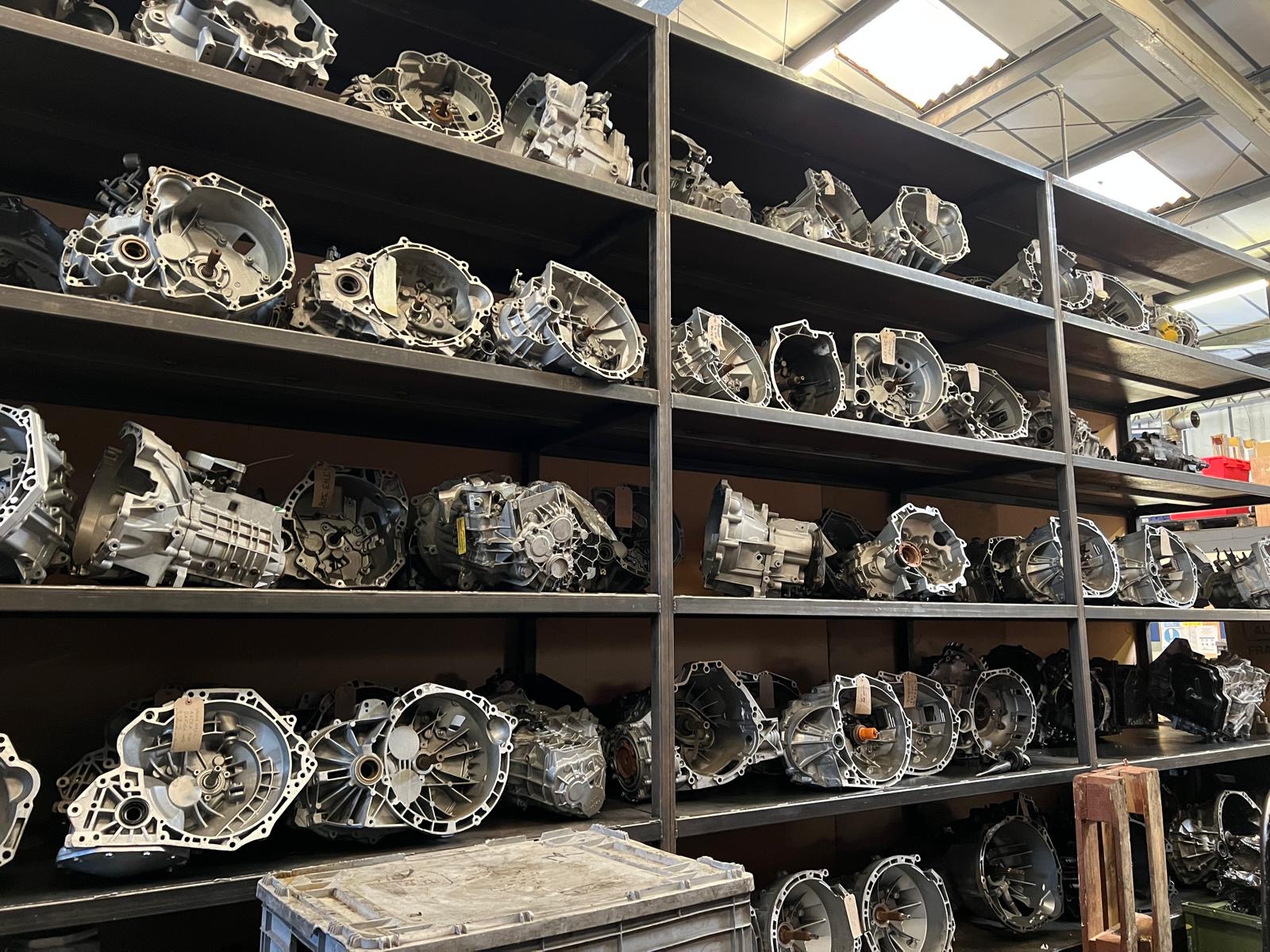
The DSG gearbox is fitted to a wide range of Volkswagen models including the Golf, Polo, Passat, Tiguan, T-Roc, ID.4 and Touareg. It is a dual-clutch automatic transmission that pre-selects the next gear while still in the current one, which is how it delivers the fast, seamless gear changes that drivers associate with it.
Under normal use and with the right maintenance, DSG gearboxes are capable transmissions. But they have specific failure modes that are worth knowing about, particularly on higher-mileage vehicles or those where the service interval has been extended. This post covers the most common VW DSG faults, what causes them, and what the repair involves.
Which DSG Does My VW Have?
Volkswagen uses two main variants of the DSG. The DQ250 is a six-speed wet-clutch unit fitted to higher-torque applications including the Golf GTI, Golf R and Passat. It uses transmission fluid to cool and lubricate the clutch packs, which makes it generally more durable under sustained or performance driving. The DQ200 is a seven-speed dry-clutch unit fitted to lower-torque models including the standard Golf, Polo and T-Roc. It does not use fluid to cool the clutches, which makes it more efficient but also more sensitive to wear in stop-start driving conditions.
Knowing which unit your vehicle has matters because the failure modes differ between the two, as does what the correct repair involves.
The Most Common VW DSG Gearbox Problems
Juddering or Shuddering When Pulling Away
This is the most reported DSG complaint across all Volkswagen models. On the DQ200 seven-speed dry-clutch unit, it is almost always related to the clutch pack. The dry clutch relies entirely on mechanical engagement without fluid cooling, which makes it more prone to wear in urban driving where the clutch is repeatedly engaging and disengaging at low speeds. When the clutch material wears, or when the Mechatronic unit’s adaptation parameters have drifted, the engagement becomes uneven and the driver feels a shudder when pulling away.
On the DQ250 wet-clutch unit, juddering is more commonly linked to fluid degradation. The clutch packs run in transmission fluid, and when that fluid has deteriorated past its useful life, the engagement characteristics change. A fluid service and clutch adaptation reset often resolves it. Where the clutch material has worn significantly, the pack needs replacing.
In either case, a proper VW-specific diagnostic tells you which situation you are in before any work is committed to. A fluid change on a worn clutch pack does not fix the wear.
Hesitation or Delay in Low-Speed Traffic
Stop-start driving is where the DQ200 seven-speed is under the most stress. Moving slowly in traffic requires repeated clutch engagement at very low speeds, which is the condition most likely to cause premature clutch wear. Drivers often notice this as a hesitation, a small jolt, or a feeling that the car is reluctant to creep forward smoothly.
This symptom on the DQ200 tends to worsen gradually. In early stages, a software update and clutch adaptation reset can improve it. Once the clutch pack has worn past the point where software can compensate, the pack needs to be replaced to restore normal function.
Harsh Gear Changes or Clunking on Upshift
A clunk or a firm bump when the DSG changes from first to second, or between any gear at low to moderate speed, usually points to the Mechatronic unit. The Mechatronic is the combined electronic and hydraulic control module that manages all gear selections in the DSG. When it develops a fault, the hydraulic pressure during gear changes becomes inconsistent, and the driver experiences that as a rough or jarring shift.
Mechatronic faults on VW DSG units are well known in specialist workshops. In some cases the unit can be repaired rather than replaced outright. A specialist who has worked on these units regularly will know which components are at fault and what the options are.
Loss of Drive or Refusal to Select Gears
If the DSG refuses to engage a gear, or if drive is lost suddenly while the car is moving, the gearbox has usually entered a protective state in response to a fault it cannot manage. This is either full limp mode or a complete loss of drive caused by a Mechatronic failure, a clutch pack that has worn completely, or in some cases a software fault.
A car that has lost drive or refuses to select gears should not be pushed or driven. It needs to be recovered to a specialist workshop. Attempting to drive it risks causing damage beyond the original fault.
DSG Warning Light or Gearbox Fault in the Instrument Cluster
If the DSG has logged a fault code, a warning will appear in the instrument cluster, sometimes alongside a spanner symbol or the word PRND disappearing from the display. This is the point at which a diagnostic check should happen immediately. VW-specific diagnostic software reads the full fault data stored in the Mechatronic unit, including the specific component involved, any adaptation data that has drifted, and whether the fault is electrical, hydraulic or mechanical.
A generic OBD scan picks up a top-level code. It does not give a specialist the data they need to make the right call on the repair. For more on what fault codes mean for your transmission, see our post on transmission diagnostics.
DSG Service Intervals: The Sealed-For-Life Problem
Volkswagen originally specified the DQ250 wet-clutch DSG as requiring a fluid service every 40,000 miles. This recommendation was later revised in some markets and ignored by many drivers. The dry-clutch DQ200 was not designed with a scheduled fluid service because it does not use fluid to cool the clutches, but it does have Mechatronic fluid that benefits from periodic attention.
The most consistent finding across specialist DSG workshops is that vehicles whose service history cannot confirm a fluid change on the DQ250 unit are significantly more likely to present with clutch pack and valve body problems. A DSG fluid service at around 40,000 miles is money well spent compared to the cost of a clutch pack replacement or Mechatronic repair caused by degraded fluid.
For a detailed look at why DSG servicing matters, see our post on DSG gearbox servicing.
Do You Need a VW Dealer for DSG Repairs?
No. A specialist with VW-compatible diagnostic equipment and experience with DSG transmissions can carry out repairs to the same standard as a dealer, typically at a lower cost and with a faster turnaround. Service4Service uses OEM-approved parts throughout and covers the full Volkswagen range, including all DSG variants. All repairs come with a 12-month guarantee on parts and labour, and 0% finance is available on qualifying repairs.
What matters is that the workshop has the right diagnostic tools and hands-on experience with the specific unit in your vehicle. DSG repairs that go wrong are almost always the result of using generic tools or mechanics who have not worked on these units regularly.
Frequently Asked Questions
What are the most common VW DSG gearbox problems?
Juddering when pulling away, hesitation in slow traffic, harsh gear changes and warning lights are the most frequently reported DSG faults on Volkswagen vehicles. On the seven-speed dry-clutch DQ200, clutch pack wear in stop-start conditions is the primary cause. On the six-speed wet-clutch DQ250, fluid degradation and Mechatronic issues are more common. The specific cause determines the correct repair.
Why does my VW DSG judder when I pull away?
On the DQ200 seven-speed, juddering when pulling away is almost always caused by clutch pack wear. The dry clutch is particularly susceptible to wear in urban driving. On the DQ250 six-speed, it is more often linked to degraded transmission fluid or a Mechatronic calibration that has drifted. A diagnostic identifies which before any work is recommended.
How often does a VW DSG gearbox need servicing?
The DQ250 wet-clutch six-speed benefits from a fluid service every 40,000 miles. The DQ200 dry-clutch seven-speed does not have a conventional fluid service, but the Mechatronic unit should be checked periodically. Vehicles that have exceeded 60,000 to 80,000 miles without a DSG fluid service on the DQ250 are at significantly higher risk of clutch pack and valve body problems.
Can a VW DSG Mechatronic be repaired rather than replaced?
In many cases, yes. The Mechatronic unit contains both electronic and hydraulic components, and the fault is not always in both. A specialist with experience of VW DSG Mechatronic units can often repair or remanufacture the faulty component rather than replacing the whole unit, which is a more cost-effective option where the damage is contained.
Is it safe to drive my VW with a DSG warning light?
A warning light without any drivability symptoms means the car has logged a fault that should be read and assessed promptly. It is not necessarily unsafe to drive to a specialist. A warning light accompanied by juddering, slip, limp mode or loss of drive means the car should be driven as little as possible. Call a specialist and describe what you are experiencing to get an honest assessment.
Does Service4Service cover all VW models with DSG gearboxes?
Yes. Service4Service covers the full Volkswagen range including Golf, Polo, Passat, Tiguan, T-Roc, Touareg and all other DSG-equipped models, across both the DQ200 seven-speed and DQ250 six-speed variants.
If your Volkswagen DSG is juddering, showing a warning light, or not driving as it should, call Service4Service on 0808 164 0418 for a same-day response. You can also visit service4service.co.uk/car-repairs/gearboxes/volkswagen-gearbox or send an enquiry online at service4service.co.uk/car-repairs/gearboxes/make-an-enquiry. All repairs come with a fixed-price quote after the diagnostic.