
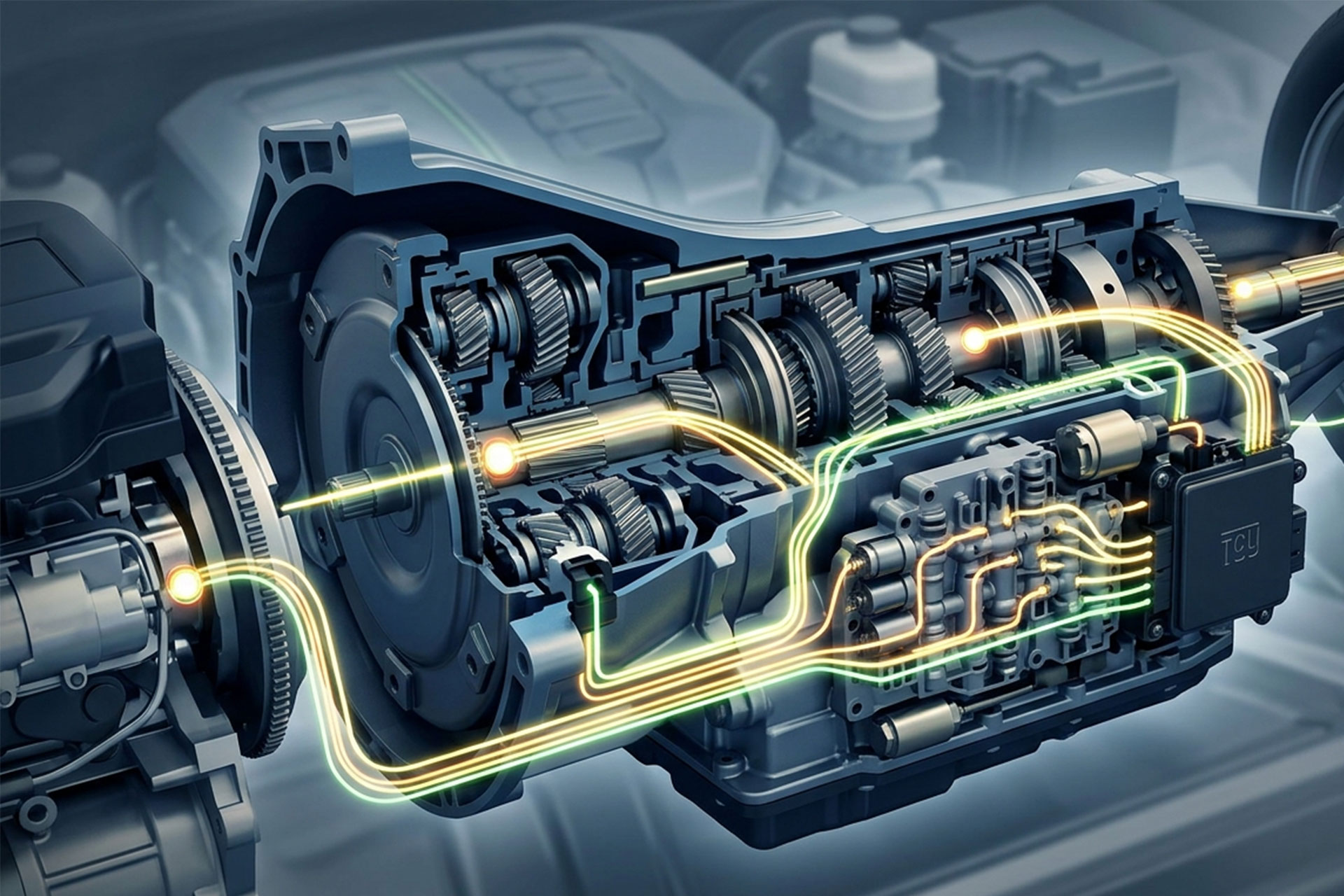
Modern cars are marvels of technology, and one of the most complex systems under the hood is the automatic gearbox. Gone are the days when transmissions relied purely on mechanical linkages and driver intuition. Today, sensors play a central role in ensuring smooth gear changes, optimal performance, and even fuel efficiency.
At Service4Service, we help drivers understand every aspect of their vehicles, and gearbox sensors are a topic that deserves attention. Knowing how they work can help you spot issues early and maintain your car for longer.
What Gearbox Sensors Do
Automatic gearboxes rely on multiple sensors to monitor the car’s performance and communicate with the transmission control unit (TCU). The TCU acts like the brain of the gearbox, making split-second decisions about which gear to select based on the information it receives.
Sensors provide this crucial data, including:
- Vehicle speed sensors – measure how fast each wheel is turning to adjust gear selection.
- Throttle position sensors – tell the TCU how much acceleration the driver wants, influencing shift timing.
- Input and output shaft sensors – monitor the speed of the gearbox shafts to detect slippage or mechanical issues.
- Temperature sensors – ensure the transmission fluid remains within safe operating limits.
Without accurate sensor input, the gearbox cannot respond appropriately, which may result in delayed shifts, harsh gear changes, or even failure to engage gears.
Common Symptoms of Sensor Issues
While automatic gearboxes are designed to be largely self-correcting, sensor problems can cause noticeable performance issues. Some signs that a sensor may be failing include:
- Erratic gear changes – the gearbox may shift too early, too late, or skip gears entirely.
- Slipping gears – the car may feel like it’s losing power as the gearbox struggles to engage properly.
- Dashboard warning lights – many vehicles will display a transmission or check engine warning.
- Poor fuel economy – inefficient gear selection can increase fuel consumption.
- Failure to shift – in severe cases, the car may get stuck in one gear.
Recognising these symptoms early is important. While some issues can seem minor at first, they often indicate a sensor problem that could escalate if ignored.
Why Sensors Are Essential for Smooth Driving
Automatic gearboxes are designed for comfort, efficiency, and reliability, but all of this depends on the sensors working correctly. They ensure:
- Optimised gear changes – shifting at the right moment improves performance and comfort.
- Protection of the gearbox – sensors prevent over-revving, overheating, and mechanical strain.
- Fuel efficiency – accurate data allows the car to select the most efficient gear for the conditions.
- Adaptation to driving style – some modern transmissions adjust behaviour depending on how aggressively you accelerate or decelerate.
In essence, sensors enable automatic gearboxes to make real-time decisions that a human driver cannot consistently match.
Maintenance Tips for Gearbox Sensors
Sensors are electronic components, so they don’t wear in the same way mechanical parts do. However, they can fail due to age, dirt, or electrical faults. Here are some tips to maintain their health:
- Regular servicing – a full transmission check as part of scheduled maintenance can catch sensor faults early.
- Keep fluid levels correct – temperature and hydraulic pressure affect sensor readings. Low or dirty fluid can cause errors.
- Prompt diagnostics – if a warning light appears or gear changes feel unusual, have the car checked immediately.
- Protect electrical connections – moisture, corrosion, or damaged wiring can lead to false readings or sensor failure.
Preventative care reduces the risk of major gearbox problems and extends the life of your transmission.
The Role of Diagnostics
Modern diagnostic tools make it easier than ever to pinpoint sensor problems. Mechanics can connect a diagnostic scanner to the TCU, read fault codes, and see real-time data from each sensor.
Even small faults can be detected before they cause serious damage. This is why having access to professional diagnostics as part of routine maintenance is so important for modern automatic cars.
Keeping Your Gearbox Running Smoothly
Sensors are the silent workhorses of modern automatic gearboxes. They continuously monitor speed, throttle, temperature, and internal conditions to ensure your car shifts smoothly, performs efficiently, and avoids unnecessary wear.
While they are generally reliable, sensor issues can cause serious problems if left unchecked. Understanding the role of sensors, recognising warning signs, and keeping up with regular maintenance is key to a long-lasting, trouble-free transmission.
At Service4Service, we aim to demystify complex car systems and help drivers make informed decisions about maintenance. Even if your gearbox feels fine today, knowing how its sensors work gives you an edge in preventing problems tomorrow.
If your car is showing any signs of gearbox trouble, our Gearbox Repair Service provides professional, reliable repairs to keep your transmission performing at its best.
 Malachy