
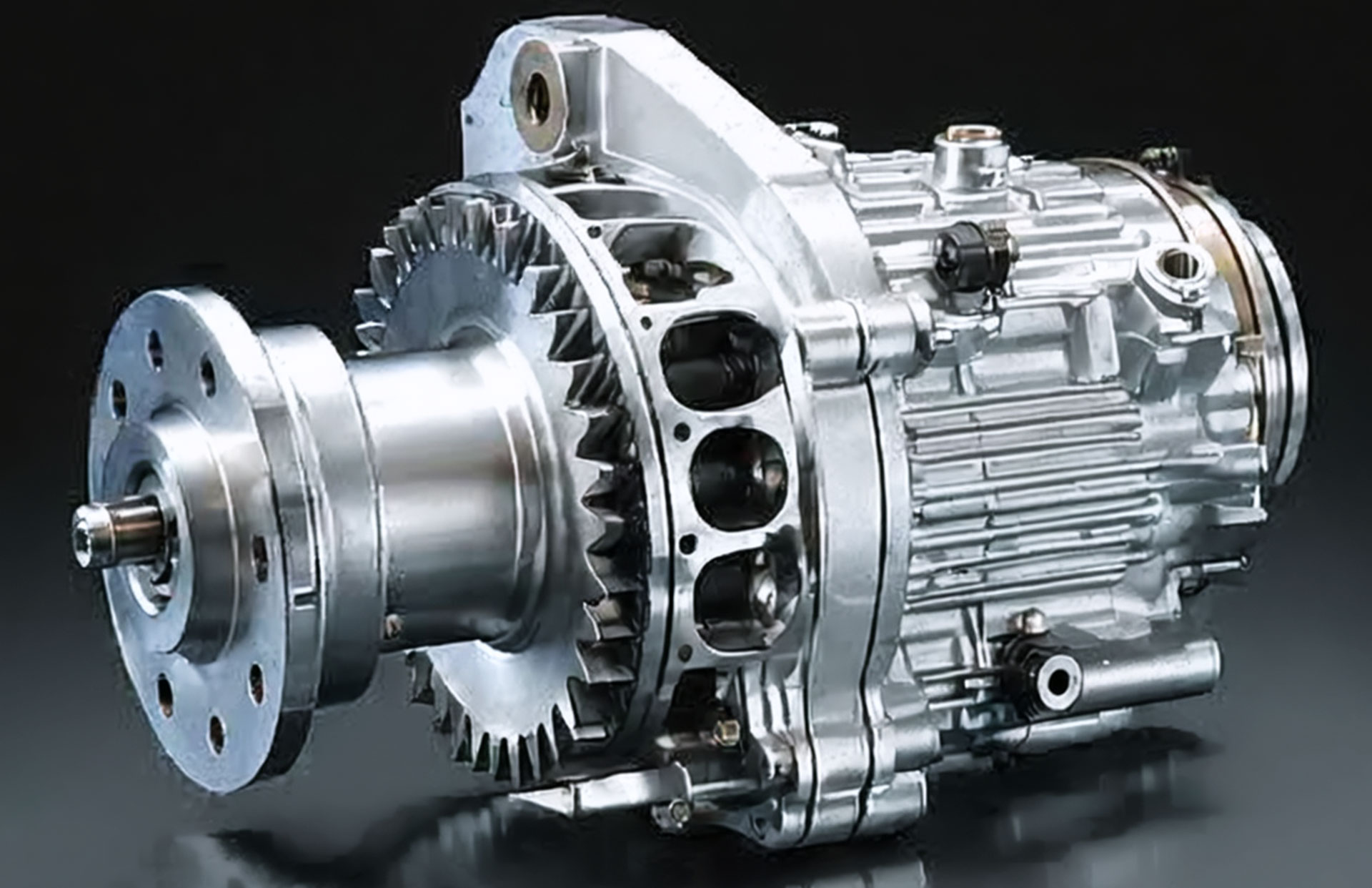
Modern cars rely on highly sophisticated gearboxes to transfer engine power to the wheels efficiently and smoothly. Whether your vehicle has a manual, automatic, or semi-automatic gearbox, understanding how it works and why problems occur can save you from costly repairs. At Service4Service, we specialise in gearbox repair and maintenance, helping drivers keep their vehicles performing at their best.
The Role of the Gearbox
The gearbox allows the engine to operate within its ideal power range while providing a variety of speeds for the vehicle. Manual gearboxes require the driver to engage a clutch and shift gears manually, using synchronisers to match engine and gear speeds. Automatic gearboxes, including torque converter or dual-clutch systems, change gears without driver input, relying on hydraulics and electronic sensors to optimise performance. Continuously Variable Transmissions (CVTs) and semi-automatic gearboxes offer smooth, stepless changes, improving fuel efficiency but increasing mechanical and electronic complexity.
Modern gearboxes combine mechanical, hydraulic, and electronic systems. Sensors monitor speed, torque, and engine load, while control units adjust gear shifts in real time. This complexity improves driving comfort and efficiency, but also makes repair and diagnostics more specialised.
Why Gearboxes Fail
Despite technological advances, gearboxes can fail due to a combination of mechanical wear, poor maintenance, and driver habits. Common causes of failure include worn bearings or synchronisers, contaminated or degraded gearbox fluid, and damaged seals or gaskets. Modern automatic gearboxes also rely on sensors and electronic control units; a malfunction in these systems can cause erratic or delayed gear changes, leading to accelerated wear.
Other contributing factors are driving style and environmental conditions. Frequent stop-start traffic, harsh acceleration, or improper use of the clutch in manual vehicles increases stress on components. Neglecting fluid changes or ignoring warning signs such as slipping gears, unusual noises, or jerky shifts accelerates wear and may lead to major failure.
Key warning signs of gearbox problems include:
- Slipping gears or difficulty engaging gears
- Grinding or whining noises during gear changes
- Jerky or delayed shifts in automatic vehicles
- Vibrations or unusual movement when accelerating
Recognising these signs early and seeking professional inspection can prevent minor issues from escalating into costly repairs.
The Importance of Professional Service
Modern gearboxes are not easily repaired without specialist knowledge. Even simple tasks, such as changing fluid, require the correct type and volume to avoid damaging sensitive components. Diagnosing faults often requires advanced equipment and expertise to accurately identify mechanical or electronic failures. At Service4Service, our team combines technical expertise with high-quality parts and precision diagnostics to ensure repairs restore your gearbox to peak performance.
Extend the Life of Your Gearbox
Modern gearboxes are engineering marvels, blending mechanical, hydraulic, and electronic systems to optimise performance and efficiency. However, their complexity makes them vulnerable to wear, improper maintenance, and misuse. Understanding how gearboxes function and recognising early warning signs is crucial for avoiding expensive repairs.
At Service4Service, our gearbox specialists provide expert diagnostics, maintenance, and repair for all types of vehicles. By addressing problems early and maintaining your gearbox properly, we help drivers extend vehicle life, improve performance, and avoid costly breakdowns. Regular care and professional service are essential to keeping your car moving smoothly for years to come.
 Malachy
  Ellis
Ellis