
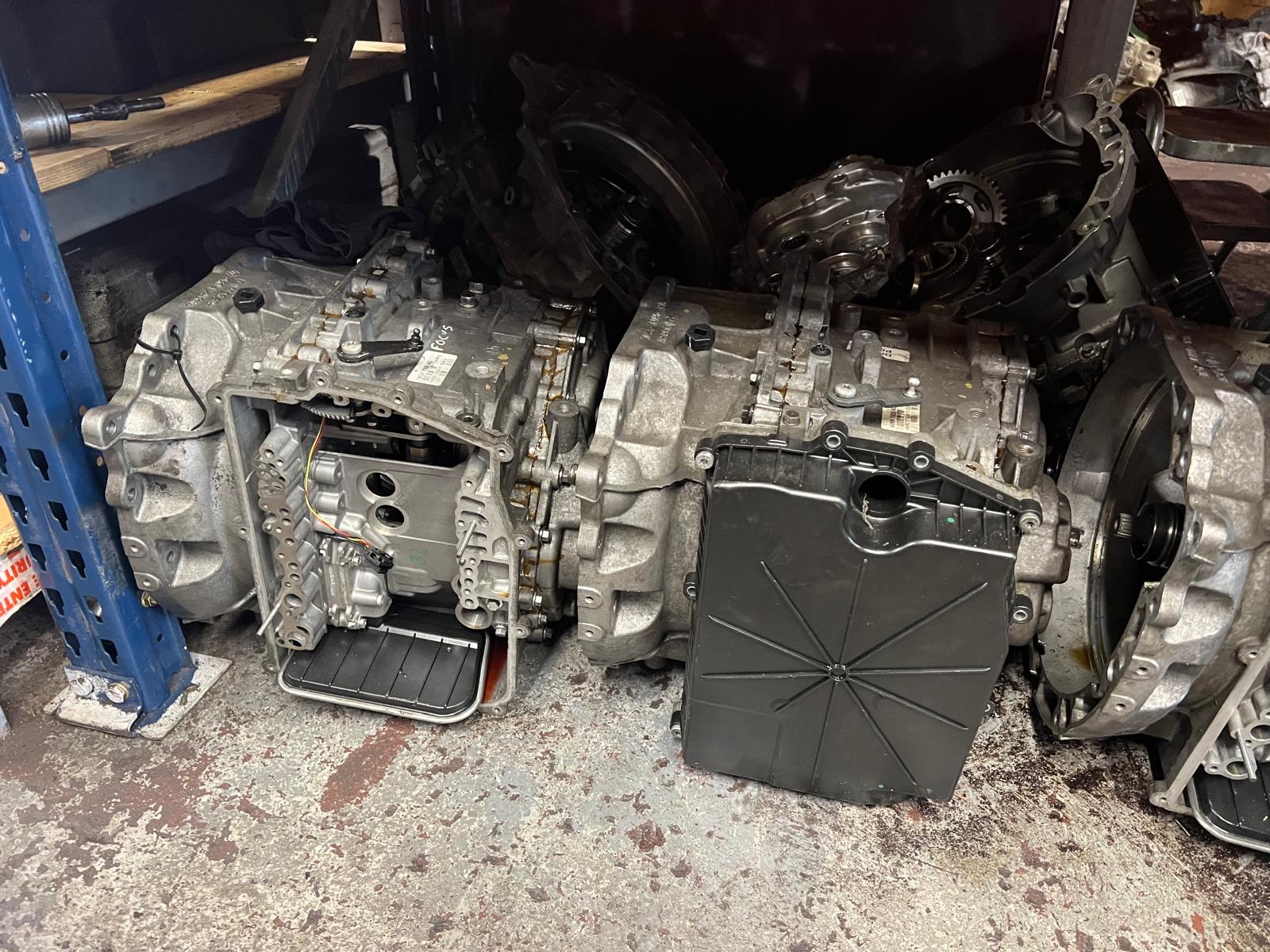
A clunk when shifting from Park to Drive or Reverse is usually driveline lash being taken up, and the most common causes are worn engine and gearbox mountings, play in driveshaft or propshaft joints, or harsh clutch engagement inside the gearbox. A single soft clunk on engagement is normal on many cars. A pronounced bang, a clunk that has grown louder over months, or a clunk paired with delayed engagement is a fault, and usefully, this is one gearbox complaint where the cause is often outside the gearbox entirely.
What the clunk actually is
Between the engine and the tyres sits a chain of components with small clearances: gearbox internals, driveshafts, joints, differential gears and mountings. When the gearbox engages Drive, torque suddenly loads that chain, and every bit of clearance closes at once. The more wear in the chain, the more movement is taken up, and the louder the clunk. That is why the noise is sharpest when changing direction, Park to Reverse, Reverse to Drive, because the whole driveline swaps from one side of its clearance to the other.
Causes outside the gearbox
Worn mountings top the list. Engine and gearbox mountings locate the drivetrain and absorb its torque reaction, and when the rubber softens or splits, the entire engine shifts on engagement and lands with a thud. It is cheap to check and one of the most common findings. Driveshaft joints come next: worn CV joints or, on rear wheel drive cars, universal joints and a worn differential add lash that closes with a metallic clack. Subframe and suspension bushes can contribute on some cars. A garage can usually isolate these with the car on a lift, rocking the driveline by hand and watching where the movement is.
Causes inside the gearbox
If the driveline checks out, attention turns inward. Harsh engagement, where the clutch pack for Drive or Reverse applies abruptly instead of progressively, produces a clunk from within the gearbox itself, and it is usually a hydraulic story: pressure arriving late and hard because of a worn valve body, ageing seals or tired fluid. The telltale is a pause before the clunk, the combination we cover in our post on delayed engagement. A gearbox that waits and then bangs into gear is telling you about its pressure control, and it should be investigated before the shock loads damage anything downstream.
There is also the Park mechanism itself. The clunk of the parking pawl releasing under load is normal, and it is much louder if the car was parked on a hill without the handbrake applied first. If your clunk only happens leaving Park on slopes, try applying the handbrake fully before selecting Park next time. If the clunk disappears, it was never a fault at all.
When to take it seriously
Take note of trend and company. A clunk that has stayed the same for years on an older car is lash, not failure. A clunk that is growing, or that has appeared alongside delayed engagement, harsh changes, vibration or any warning light, is a progressing fault. And any metallic bang accompanied by a new noise while driving deserves inspection promptly, since a driveline joint at the end of its life fails suddenly rather than politely.
Frequently asked questions
Is it normal for an automatic to clunk into Drive?
A soft, consistent clunk on engagement is normal on many cars, particularly older rear wheel drive designs. A loud, growing or delayed clunk is not, and deserves a check.
Why does my car bang when I put it in Reverse on a hill?
That is usually the parking pawl releasing under the car’s weight. Apply the handbrake fully before selecting Park on slopes and the bang typically disappears.
Can engine mountings cause a clunk into gear?
Yes, worn mountings are one of the most common causes. The engine shifts as torque is applied and lands with a thud, which is easily mistaken for a gearbox fault.
When is a clunk a gearbox problem?
When it comes with a pause before engagement, harsh gear changes on the move, or warning lights. That combination points to hydraulic pressure control inside the gearbox rather than driveline wear.
Clunk getting louder? Find out whether it is mountings, driveline or the gearbox before it decides for you. Call Service4Service on 0808 164 0418 or send an enquiry for honest advice and a fixed price quote with a 12 month guarantee.
 Ellis
Ellis