
Updated October 2026
Smart cars are generally less reliable than rivals, with the petrol Fortwo’s engine, automated gearbox and brakes the most common trouble spots.
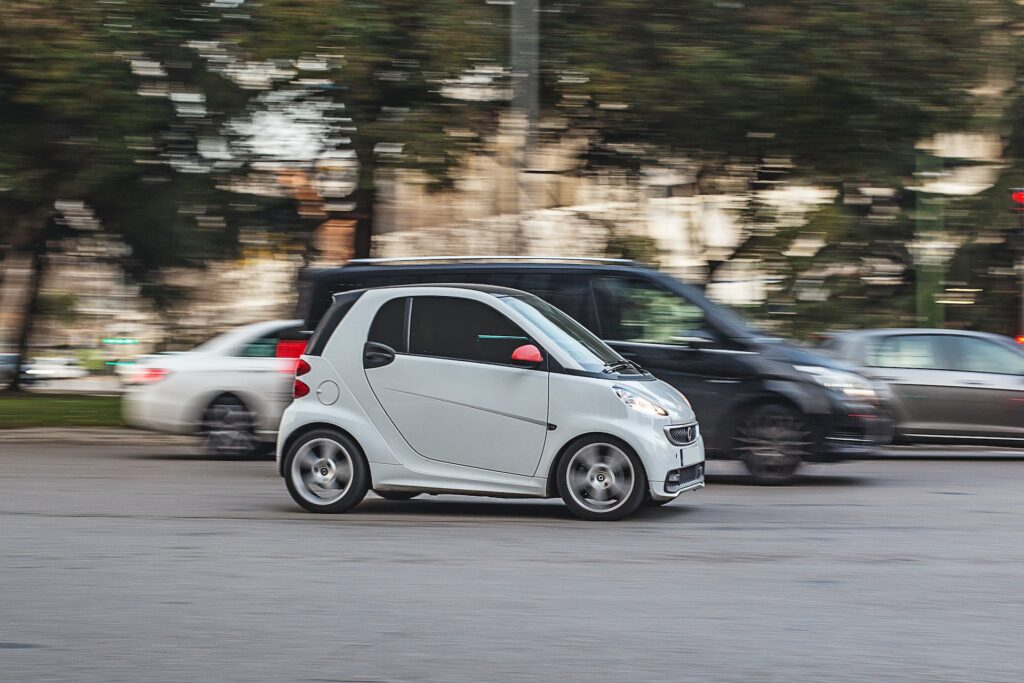
Whether you’re a lover or a hater, there’s no denying that Smart cars are a staple on UK roads today. These cars came about as a result of a collaboration between Swatch, the watch company, and Mercedes-Benz, creating the ‘Swatch Mercedes ART’ – or Smart vehicles. These micro cars are designed to provide a comfortable, luxurious drive that is perfect for city living, with their small stature making it easy to manoeuvre the tightest of spaces and busiest of roads. Whether you’re a fan or not, Smart cars are known for their unique style but owners concerns have also raised a question as to whether they are reliable, but how true is it? We’re taking a look at some of the most common problems with Smart cars, below.
The Engine Can Be Unreliable
One of the most commonly reported issues that Smart car owners report is that the engine can be unreliable. Despite its link with Mercedes-Benz, it doesn’t appear at first glance like Smart benefitted from the connection. What owners seemingly get with Smart cars is an unreliable engine but often costly maintenance and repairs in order to get that engine back up and running. Owners report issues as early as 22,000 miles, though this seems to be more of an issue with older models. If you are a smart car owner and the engine is showing signs of a problem, get your vehicle booked in for engine repairs with our team as soon as possible.
Transmission Issues
The Smart Fortwo is reportedly plagued by issues relating to the transmission, particularly the manual gearbox. Issues with shifting gears and poor performance are particularly rife, usually in the five-speed automated manual transmission. Drivers have also reported issues with a lazy clutch and unresponsive acceleration, though these issues don’t typically affect the electric version of this vehicle.
Efficiency
The petrol Smart Fortwo isn’t as economical as its size suggests. Owners of the 1-litre model report only around 38–39mpg, even on motorway runs, which is poor for such a small city car.
The electric Smart EQ Fortwo has a 17.6 kWh battery and an official WLTP range of around 80 miles, but most owners see about 55–70 miles in real-world driving, and less in cold weather. It charges in around 3.5 hours on a home wallbox, or in about an hour with the optional 22 kW onboard charger. Rapid charging isn’t available. That makes the EQ Fortwo well suited to short city trips but impractical for regular longer journeys.
Quick-Wearing Brakes
Smart car brake pads typically last around 25,000–30,000 miles, which is shorter than most small cars. Braking performance isn’t the issue, since the brakes work well. The problem is how quickly they wear, especially on cars used mainly in town, where frequent stop-start driving speeds up wear. Some owners who drive mostly in the city report replacing pads every 8–12 months.
If your Smart’s brakes squeal, grind or feel less sharp than usual, have the pads and discs checked, because worn pads left too long can damage the discs too.
Poor Suspension Leads To Bottoming Out
Smart cars have received a number of complaints and concerns about poor suspension compared to similar vehicles and it can be a major drawback for some drivers. The suspension is reportedly poor in general which not only affects the driving experience, but can mean that it fails to take potholes, speed bumps or other bumps in the road well at all. The bottoming out can cause damage which can be costly to repair, particularly if additional costs are involved for parts.
If you own a Smart car and feel that it may be in need of repair, we are on hand to help. We offer full, transparent diagnostics and repair at competitive industry prices, offering you the peace of mind that your vehicle is in good, affordable hands. Simply get in touch with our team for more information, today.
Smart Forfour Common Problems
The most common Smart Forfour problems depend on the generation. On the 2004–2006 model, the main faults are the automated gearbox, engine management and early battery failure. On the 2014–2021 model, the main issues are the Twinamic dual-clutch gearbox, weak 12V batteries and suspension wear. The electric EQ Forfour avoids gearbox problems altogether but has a short real-world range.
First-generation Smart Forfour (2004–2006)
The original Forfour was built alongside the Mitsubishi Colt and shared much of its running gear. The most reported problems are:
- Automated manual gearbox faults: gears can drop out or the clutch can fail, and repairs are often expensive.
- Engine management failures: these can leave the car undriveable until the control unit is updated or replaced.
- Starting problems on the 1.1 petrol: often caused by ignition coils, spark plugs or sensors, especially in cold weather.
- Limp mode on the 1.5 CDI diesel: usually linked to a clogged EGR valve or turbo issues.
- Short-lived starter batteries, plus wear to the brakes and suspension as the car ages.
Second-generation Smart Forfour (2014–2021)
The second Forfour shares its platform with the Renault Twingo and has the engine in the rear. Its most common problems are:
- Twinamic dual-clutch gearbox issues: jerky or delayed shifts, especially when pulling away and in stop-start traffic, often from around 20,000–30,000 miles. Software updates and regular gearbox oil changes help prevent them.
- 12V battery failures: the starter battery often fails earlier than expected.
- Suspension and corrosion: suspension mounts, brake discs and the rear silencer can wear or rust, particularly on cars used mainly for short trips.
- Electrical faults: including the emergency call system on some 2016–2019 cars.
Smart EQ Forfour (electric)
The electric EQ Forfour has no conventional gearbox, so it avoids the Twinamic problems entirely. Its main drawback is range. Later models have a 17.6 kWh battery and an official WLTP range of 81 miles, but around 55 miles is more realistic in everyday driving, and less in cold weather. There’s no rapid charging, so a full charge takes several hours on most home chargers.
Is the Smart Forfour reliable?
The second-generation petrol Forfour is generally more reliable than the original. Its engines are considered relatively trouble-free with regular servicing. The Twinamic dual-clutch gearbox is its main weak point. If you’re buying a used Forfour, check the service history for gearbox oil changes and software updates, test-drive it in slow traffic, and look up any outstanding recalls.
Frequently Asked Questions
Smart cars are generally less reliable than most small-car rivals. Their weak spots are the petrol engines on older models, the automated and dual-clutch gearboxes, and fast-wearing brakes and suspension. The electric EQ models avoid gearbox problems and tend to be more dependable day to day.
The most common Smart car problems are gear-shifting faults, engine issues on older petrol models, brakes that wear quickly, and suspension that bottoms out over speed bumps and potholes. Electric models mainly suffer from limited range rather than mechanical faults.
The petrol Smart Fortwo is known for jerky or slow gear changes from its five-speed automated manual gearbox, engine problems on older models, and brakes that need replacing more often than in similar cars. Its firm, short-travel suspension can also bottom out on rough roads.
The electric Smart EQ Fortwo has no conventional gearbox, so it avoids the transmission issues of the petrol models. Its main drawbacks are a short real-world range and no rapid charging. That makes it best suited to city driving.
On the 2014–2021 Smart Forfour, the most common problems are jerky shifts from the Twinamic dual-clutch gearbox, early 12V battery failures and suspension wear. The original 2004–2006 Forfour is more prone to automated gearbox and engine management faults.
Yes. Gearbox faults are one of the most reported Smart problems, mainly on the Fortwo’s automated manual and the Forfour’s Twinamic dual-clutch gearbox. Symptoms include jerky or delayed shifts, especially when pulling away. A specialist diagnosis can often fix the problem with a clutch adaptation, software update or targeted repair rather than a full replacement.
Need a specialist?
Speak to a gearbox technician
Diagnostics from £150 +VAT. Nationwide collection available.