
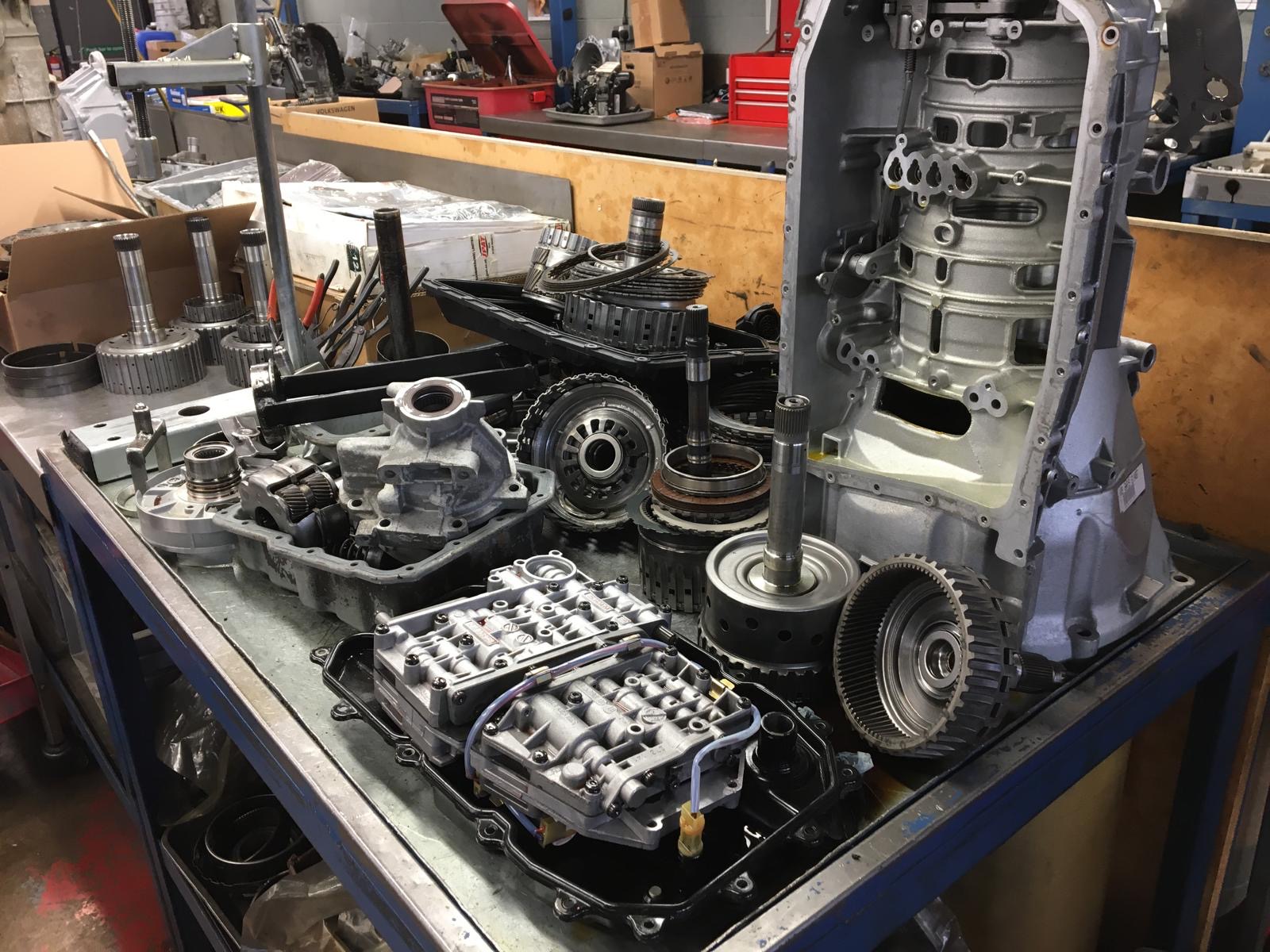
The valve body is the hydraulic switchboard of an automatic gearbox, and when it wears, the car develops exactly the faults drivers describe most: harsh changes, delayed engagement, flaring between gears, wrong gear selections and limp mode. It is a slab of precision drilled aluminium filled with spool valves, springs and solenoids, bolted inside the gearbox and fed by the pump. Every single gear change passes through it, which is why a worn valve body can make a mechanically healthy gearbox feel like it is dying, and why so much modern gearbox repair happens at this one component.

What the valve body actually does
Think of it as plumbing with decisions. Pressurised fluid arrives from the pump, and the valve body routes it: to this clutch to engage third, away from that one releasing second, at a pressure trimmed precisely to make the handover smooth. The routing is done by spool valves sliding in machined bores, commanded by solenoids that the transmission computer controls. Timing and pressure are everything. A handover a fraction early or at slightly the wrong pressure is felt in the cabin as a thump or a flare, which is why the valve body sits behind so many quality of shift complaints.
How valve bodies wear and what you feel
The aluminium bores and steel valves wear against each other over tens of thousands of miles, and worn bores leak pressure past the valve. Springs fatigue. Tiny debris from normal clutch wear circulates in the fluid and scores the bores or sticks a valve outright, which is why fluid condition and valve body life are inseparable. The symptoms map neatly onto the wear. Pressure leaking away slowly produces delayed engagement and soft, slurred changes. Pressure arriving late then abruptly produces harsh, jerky changes. A sticking shift valve produces missed or wrong gears and limp mode episodes. And because thick cold fluid and thin hot fluid stress worn bores differently, valve body faults are often temperature dependent, appearing only cold or only hot before eventually appearing all the time.
Diagnosis: separating it from its neighbours
Valve body symptoms overlap with solenoid faults, fluid condition and clutch wear, so the diagnosis works by elimination with evidence. Fluid is inspected first, since burnt or contaminated fluid both causes and mimics valve body trouble. Codes are read: solenoid circuit faults point at the electrical side, pressure deviation and ratio codes point at the hydraulics. Live data on a road test shows commanded against actual behaviour. Where doubt remains, pressure testing tells the truth, because a worn valve body cannot hide from a gauge. This sequence matters commercially as much as technically: valve bodies are regularly replaced for what was a fluid or solenoid problem, and gearboxes are regularly condemned for what was a valve body.
The repair options
Valve body work is one of the better value corners of gearbox repair because on most cars the unit is accessible by dropping the sump, without removing the gearbox. Options run from cleaning and refitting with fresh fluid where sticking was debris related, through overhaul with oversized valves and repair kits that restore worn bores, to exchange reconditioned or new units for the worst cases. Solenoids are typically replaced or tested as part of the job, and everything finishes with the correct fluid, an adaptation reset and a road test. Done properly, it transforms how an ageing automatic drives, and it is frequently the repair that saves a gearbox from an unnecessary replacement.
Frequently asked questions
What are the symptoms of a faulty valve body?
Harsh or delayed gear changes, flaring between gears, engagement pauses, wrong gear selections and limp mode, often temperature dependent at first and progressively more constant.
Can you drive with a valve body problem?
Gently, for a short period. Harsh and slipping changes wear the clutches, so a valve body fault driven on for months tends to grow into a clutch repair as well.
Does a valve body repair mean removing the gearbox?
Usually not. On most automatics the valve body is reached by removing the sump, which is why valve body overhaul is among the more economical major gearbox repairs.
Can old fluid cause valve body faults?
Yes, directly. Debris and varnish in aged fluid score bores and stick valves, which is why fluid changes on schedule are the single best protection a valve body has.
Shift quality gone downhill? The valve body may be the honest answer, and it is a repair we do daily. Call Service4Service on 0808 164 0418 or send an enquiry for honest advice and a fixed price quote with a 12 month guarantee.
 Ellis
Ellis