

WHAT HAPPENS DURING A CAR SERVICE? - A COMPLETE GUIDE
What happens during a car service? (posted 31/03/26)
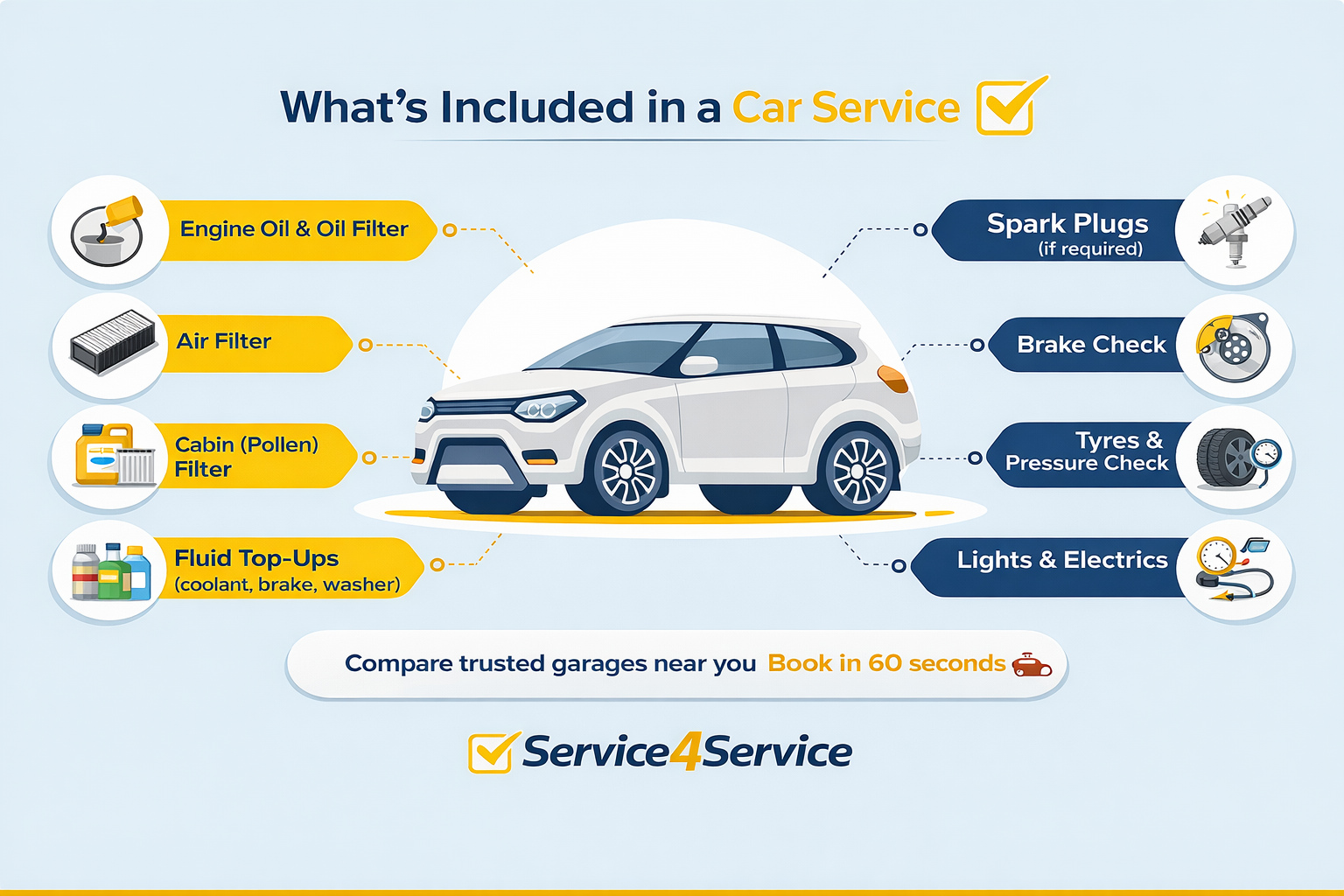
What Happens During a Car Service? A Complete Guide to Interim, Full, and Major Servicing
Keeping your car in good condition isn’t just about avoiding breakdowns, it’s about safety, performance, and protecting the value of your vehicle. Regular servicing plays a crucial role in ensuring everything runs smoothly, but many drivers are unsure what actually happens during a service or which type they need.
In this guide, we’ll break down the three main levels of car servicing, interim, full, and major, and explain exactly what each one involves, when you need it, and why it matters.
____________________________________________________________________________________
Why Is Car Servicing Important?
Routine servicing is essential for several reasons:
- Safety: Regular checks ensure brakes, tyres, and steering components are functioning correctly.
- Reliability: Servicing reduces the risk of unexpected breakdowns.
- Performance: A well-maintained engine runs more efficiently and smoothly.
- Cost Savings: Catching small issues early prevents expensive repairs later.
- Resale Value: A full service history makes your car more attractive to buyers.
Even if your car seems to be running fine, hidden issues can develop over time, and servicing is the best way to catch them early.
____________________________________________________________________________________
Interim Service: Essential Maintenance for Regular Drivers
An interim service is designed to keep your car in good working condition between more comprehensive services. It focuses on the most important maintenance tasks that directly affect engine health and safety.
What’s Included?
An interim service typically covers:
- Engine oil replacement
- Oil filter change
- Tyre pressure and condition check
- Brake inspection (pads and discs)
- Check of lights, indicators, and horn
- Windscreen washer top-up and wiper check
- Battery condition check
- Basic visual inspection of key components
When Do You Need It?
This type of service is usually recommended every 6 months or every 6,000 miles, whichever comes first.
Who Is It For?
- High-mileage drivers
- Daily commuters
- Vehicles used for long journeys regularly
- Why It Matters
Oil degrades over time and loses its ability to lubricate the engine effectively. Regular oil changes help prevent engine wear and extend the life of your vehicle.
____________________________________________________________________________________
Full Service: Comprehensive Annual Check-Up
A full service is a much more detailed inspection of your vehicle. It includes everything in an interim service but goes further by examining a wider range of components and systems.
What’s Included?
In addition to interim service checks, a full service typically includes:
- Air filter replacement
- Thorough brake system inspection
- Suspension and steering checks
- Exhaust system inspection
- Fuel system check
- Cooling system inspection (radiator and coolant)
- Fluid level checks and top-ups (brake fluid, coolant, power steering fluid)
- Drive belt inspection
- Wheel alignment and condition checks
When Do You Need It?
A full service is generally recommended every 12 months or every 12,000 miles.
Who Is It For?
- Most everyday drivers
- Vehicles out of warranty
- Anyone wanting peace of mind and optimal performance
- Why It Matters
A full service ensures that all major systems are functioning correctly. It helps improve fuel efficiency, enhances driving comfort, and reduces long-term wear and tear.
____________________________________________________________________________________
Major Service: The Most Thorough Inspection
A major service is the most comprehensive level of maintenance available. It builds on a full service and includes the replacement of key components that wear out over time.
What’s Included?
A major service includes everything in a full service, plus:
- Spark plug replacement
- Air and fuel filter replacement
- Cabin (pollen) filter replacement
- Brake fluid replacement
- Transmission fluid check or change (if required)
- Timing belt inspection or replacement (if due)
- Detailed inspection of engine components
When Do You Need It?
A major service is typically recommended every 24 months or every 24,000 miles, though this varies depending on the manufacturer.
Who Is It For?
- Older vehicles
- High-mileage cars
- Drivers planning long journeys
Why It Matters
Over time, components naturally wear out. A major service replaces these parts before they fail, reducing the risk of costly breakdowns and ensuring your car remains reliable for years to come.
____________________________________________________________________________________
How to Choose the Right Service
Choosing the correct service depends on several factors:
- Your Driving Habits
If you drive frequently or cover long distances, more regular servicing is essential. - Vehicle Age and Mileage
Older cars or those with high mileage benefit from more comprehensive servicing. - Manufacturer Recommendations
Always refer to your vehicle’s handbook for the recommended service schedule. - Previous Service History
If your car hasn’t been serviced in a while, a full or major service may be the best option.
____________________________________________________________________________________
Signs Your Car Might Need a Service
Even if you’re following a schedule, watch out for these warning signs:
- Unusual noises from the engine or brakes
- Reduced fuel efficiency
- Difficulty starting the car
- Vibrations while driving
- Warning lights on the dashboard
If you notice any of these issues, it’s best to book a service as soon as possible.
____________________________________________________________________________________
Final Thoughts
Car servicing doesn’t have to be confusing. By understanding the difference between interim, full, and major services, you can make informed decisions that keep your vehicle safe, efficient, and reliable.
Regular maintenance is always cheaper than major repairs, and it ensures peace of mind every time you get behind the wheel.
Whether you’re a daily commuter or an occasional driver, sticking to a proper servicing schedule is one of the smartest ways to protect your car and your wallet.