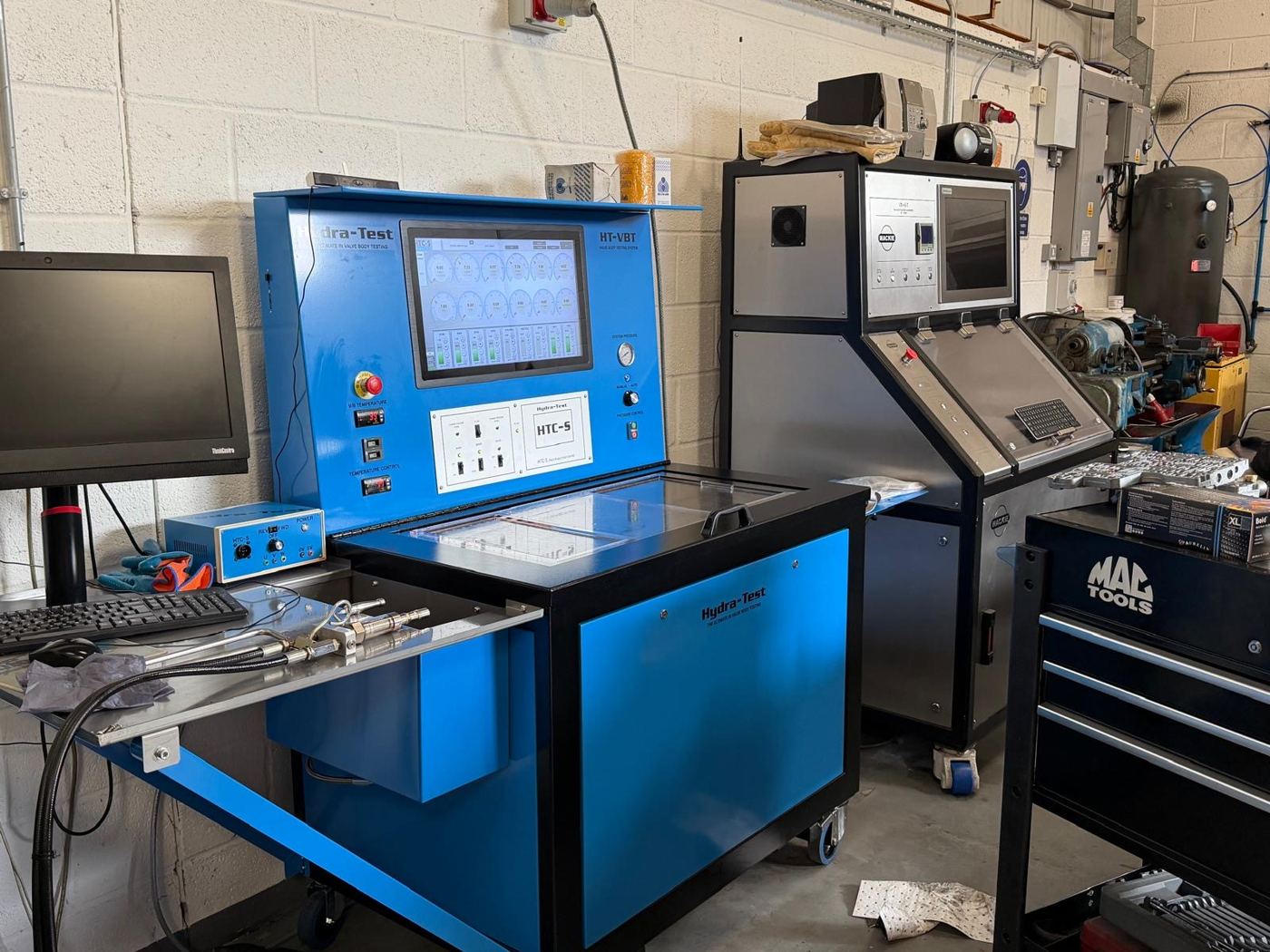
Automatic gearbox specialists
Having a issue with your clutch?
How a clutch works, and how to tell a clutch fault from a gearbox fault
- Clutch slipping, juddering or a high biting point?
- Not sure if the fault is the clutch or the gearbox?
- Want a specialist answer before you book a clutch kit?
A clutch connects the engine to the gearbox, and disconnects it when you need to change gear. On a dual-clutch automatic there is no pedal. The clutches sit inside the gearbox, which is why a "clutch problem" on a DSG or Powershift is often a gearbox repair.
A clutch fault and a gearbox fault can feel the same from the driver's seat. Diagnosis comes first.
8am - 5.30pm Mon-Fri


What does a clutch do?
A running engine is always spinning. The gearbox and wheels are not always spinning at the same speed. Something has to sit between them so you can pull away, change gear and stop without stalling.
That job belongs to the clutch. In plain terms, it is a controllable connection between the engine and the gearbox.
- It lets you take off from a standstill without stalling.
- It lets you change gear while the car is moving.
- It lets you come to a stop with the engine still running.
On a manual car you work it with the left pedal. On a dual-clutch automatic the gearbox does the same job for you, using two clutches inside the unit. That is why a dual-clutch fault is often described as a "clutch problem" when it is really a gearbox repair.
How does a clutch work?
A clutch is a clamp. The flywheel, clutch plate and pressure plate are squeezed together so the engine and gearbox turn as one. Press the pedal and that clamp opens.
When you press the clutch pedal
- The pedal moves a cable, or pushes fluid through a master and slave cylinder.
- The clutch fork slides the release bearing onto the centre of the pressure plate.
- The pressure plate lifts, so it stops clamping the clutch plate to the flywheel.
- Drive is disconnected. You can select a gear.
When you release the clutch pedal
- The release bearing backs off.
- The pressure plate springs clamp the clutch plate against the flywheel.
- The engine and gearbox lock together.
- Power goes through the gearbox to the wheels.
Let the pedal up too quickly and the clamp bites suddenly, so the car jerks. Hold it halfway for too long and the plate rubs, heats up and wears.
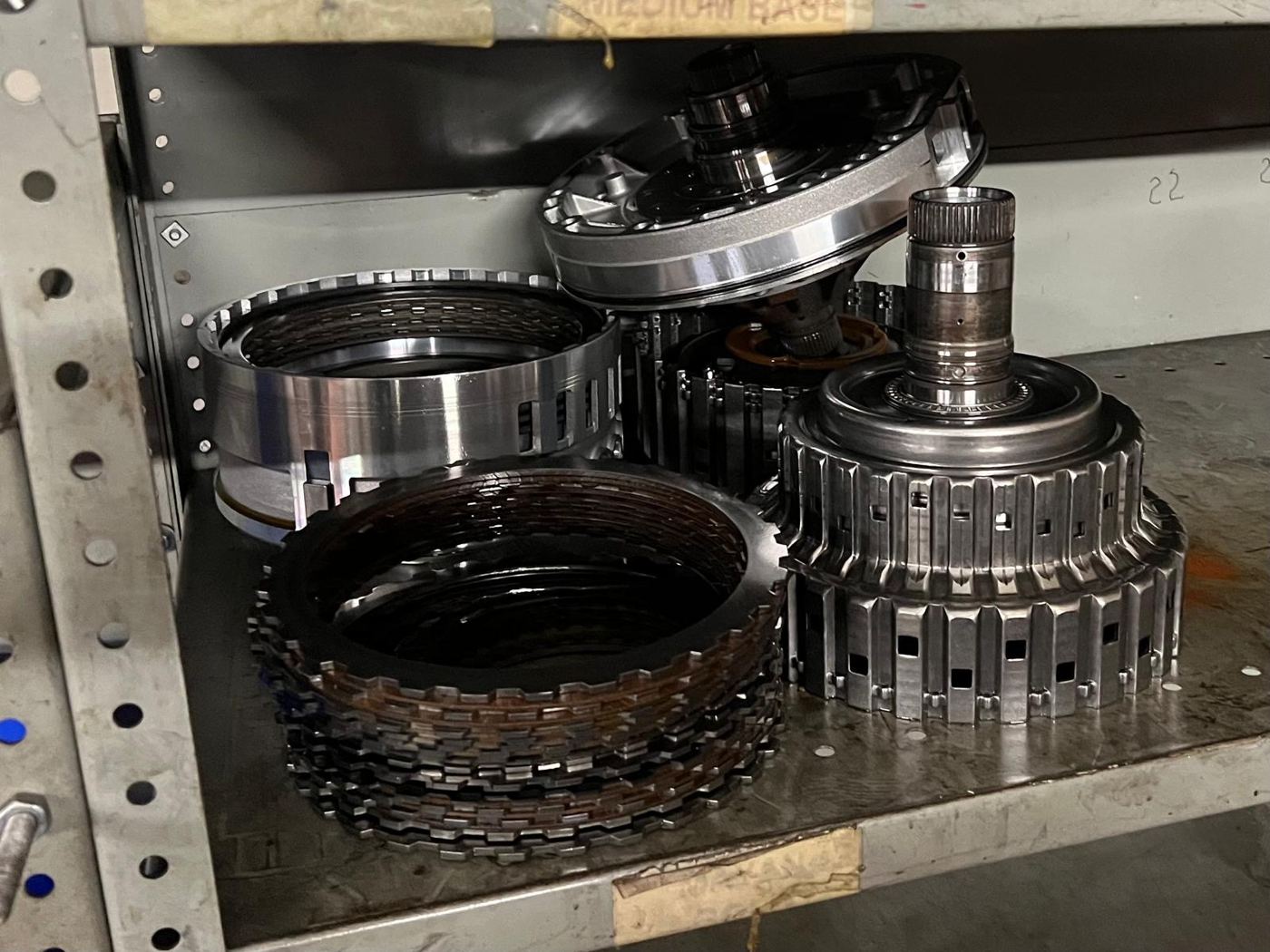
The stack, in real parts
Flywheel, clutch plate, pressure plate and release bearing sit on one shaft. Press the pedal and the stack opens. Release it and the parts clamp together so the engine can drive the gearbox.
On dual-clutch automatics those friction plates live inside the gearbox as clutch packs, which is the job we see most often.
What are the main parts of a clutch?
A typical manual clutch is a small group of parts working as one kit. If one of them is tired, the pedal and the drive both feel wrong.
Clutch plate
The friction disc clamped between the flywheel and the pressure plate. This is the part that wears.
Pressure plate
The spring-loaded cover that clamps the clutch plate to the flywheel when your foot is off the pedal.
Flywheel
The heavy disc bolted to the engine. It gives the clutch a surface to grip and helps smooth the engine's rotation.
Release bearing
The bearing that presses on the pressure plate when you dip the clutch, so the clamp can open.
Clutch fork or slave cylinder
The lever or hydraulic cylinder that moves the release bearing when you press the pedal.
Hydraulic or cable linkage
The connection from the pedal to the clutch. Most modern cars use a hydraulic master and slave, not a cable.
What types of clutch are there?
The word "clutch" covers more than the pedal in a manual car. The type you have changes both the symptoms and the repair. Automatic and dual-clutch units are our main focus.
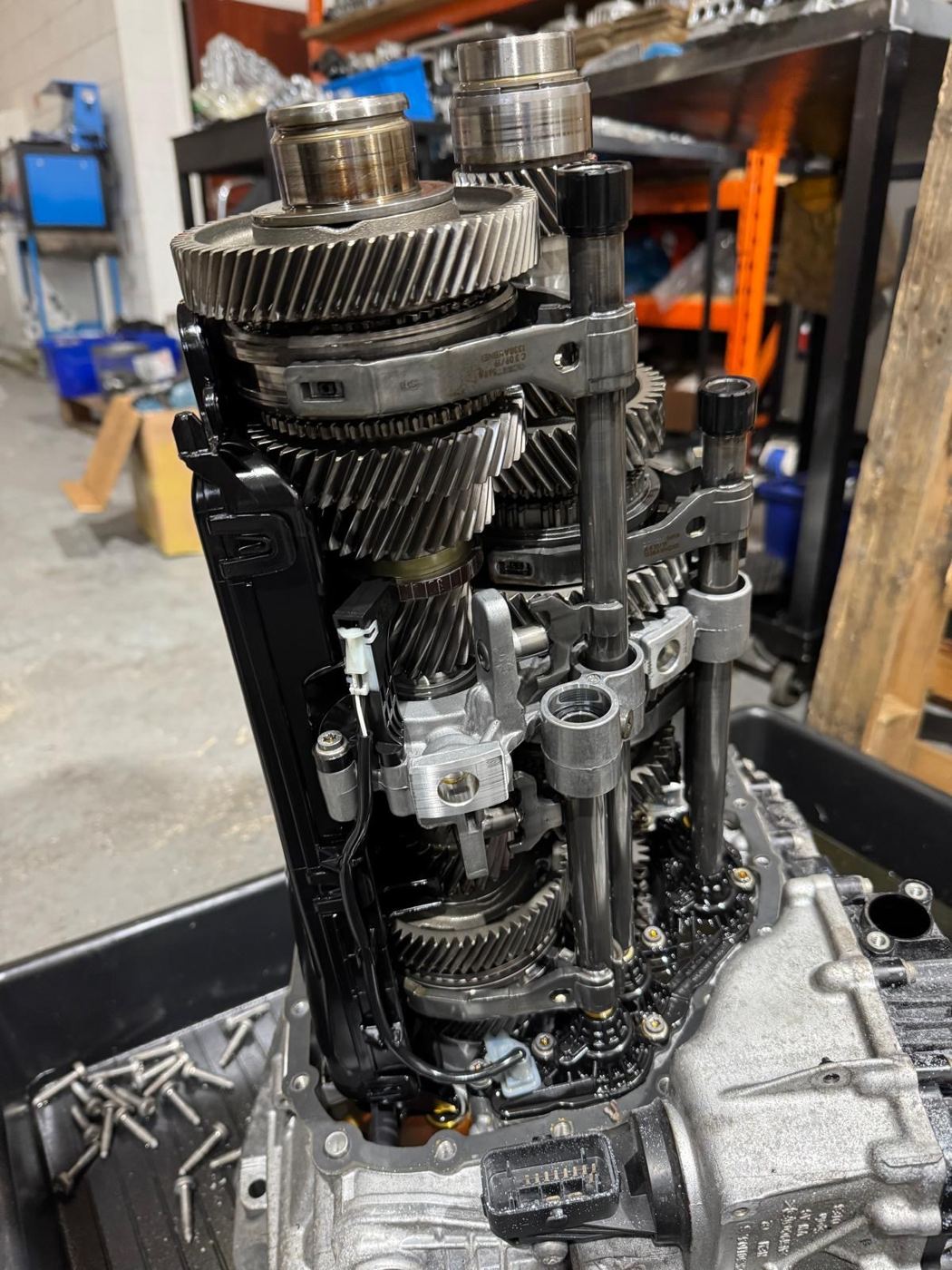
A dual-clutch gearset. There is no pedal. The gearbox works two clutches for you.
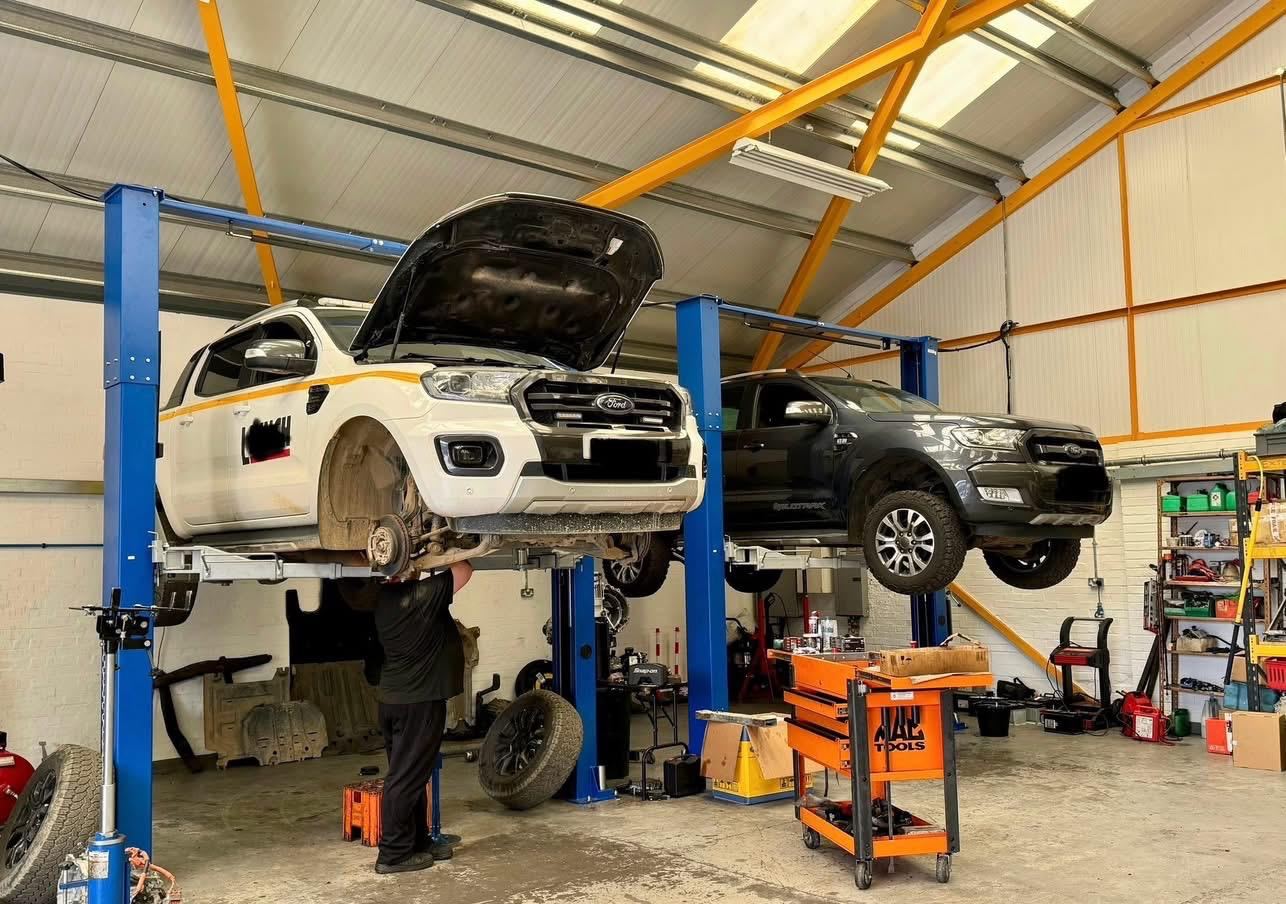
Clutch and gearbox work is diagnosed in the workshop, not guessed from the pedal.
Single-plate manual clutch
The common setup on a manual car. One friction plate, a pressure plate and a flywheel, worked by the pedal. When people say "the clutch is going", this is usually what they mean.
Dual-mass flywheel
Not a clutch on its own, but it is part of many modern clutch jobs. A worn dual-mass flywheel can feel like a clutch fault, with noise, judder or a heavy pedal.
Dual-clutch gearbox (DCT)
A dual-clutch gearbox uses two clutches, one for odd gears and one for even. There is no clutch pedal. You will see these badged as DSG, Powershift, PDK and S tronic. Ford fits Powershift on models such as the Fiesta and Focus.
How is a dual-clutch different from a traditional automatic?
A traditional automatic uses a torque converter and a planetary gearset. There is no clutch pedal. Gear changes are handled by fluid, internal clutch packs, a valve body and solenoids.
If a DCT is juddering, slipping or going into limp mode, that is not a pedal clutch job. It is automatic gearbox repair.
What are the signs a clutch is wearing out?
A clutch rarely fails with no warning. These are the symptoms drivers notice first.
Slipping
Engine revs rise but the car does not pick up speed as it should. Often worse in a higher gear or up a hill.
High biting point
The clutch only takes up near the top of the pedal travel. The friction material is usually getting thin.
Judder
The car shudders or vibrates when you pull away. That take-off judder often settles once you are moving.
Heavy or spongy pedal
The pedal feels stiff, or soft and long. That can be clutch wear, or a cable or hydraulic fault.
Burning smell
A hot, acrid smell after pulling away or sitting in traffic. The plate is overheating.
Difficulty selecting gears
Gears crunch, or reverse is hard to find, especially if the clutch is not fully releasing.
A slipping dual-clutch automatic can feel similar, but there is no pedal to judge. Treat that as a gearbox fault and get a diagnostic check, rather than assuming it is a standard clutch kit.
Is it the clutch or the gearbox?
A lot of drivers mix these two up. The symptoms overlap, especially on automatics and dual-clutch cars. Getting the diagnosis right matters, because the repair is not the same job.
More likely the clutch
- Slip that gets worse as the clutch heats up
- Biting point has moved up the pedal
- Judder only on take-off, then fine once moving
- Burning smell after slipping the clutch
- The pedal feel has changed
More likely the gearbox
- Crunching into gear even with the pedal on the floor
- Jumping out of gear
- A whine, grind or rumble that changes with road speed
- On automatics: delayed Drive, harsh shifts, limp mode or a transmission warning light
- Dual-clutch judder with no clutch pedal involved
If your car is an automatic or dual-clutch, start with a gearbox diagnostic rather than assuming it is a clutch. That is our main work at Service4Service: finding whether the fault is clutches, solenoids or something else, then repairing what is actually worn. On DSG cars the control unit is often the mechatronic unit.
What causes clutch problems?
Some wear is normal. How and where the car is driven makes a big difference to how quickly that happens.
Driving habits
Riding the clutch, holding the car on a hill with the pedal, and launching hard all wear the friction plate.
Towing and heavy loads
Extra weight means more heat through the clutch every time you pull away or change gear.
Stop-start traffic
Constant take-offs wear a clutch faster than steady motorway miles. City cars often feel it first.
Oil contamination
Oil from an engine rear main seal or a gearbox input shaft seal on the plate will make it slip or judder. On dry dual-clutch units, this is a common cause of take-off judder.
Worn related parts
Release bearings, forks, slave cylinders and dual-mass flywheels all wear with age. One tired part can make the rest of the clutch feel faulty.
Ignored warning signs
Continuing to drive on a slipping clutch creates heat. That heat can damage the flywheel face and, on dual-clutch cars, put extra load on the gearbox.
Can a clutch be repaired, or does it need replacing?
The friction plate is a wear item. Once the material is gone, it needs replacing, not "repairing". On a manual car the usual job is a clutch kit: plate, pressure plate and release bearing, with the flywheel checked at the same time. If it is a dual-mass flywheel, that may need to come off as well.
Some faults around the clutch can be fixed without a full kit. A leaking master or slave cylinder, a stretched cable, or a worn fork can all change the pedal feel. If oil has contaminated the plate, the leak has to be fixed as well as the clutch, or a new plate will slip too.
On a dual-clutch gearbox the clutches sit inside the transmission. They can often be replaced as a set, then given a gearbox adaptation, without fitting a whole new gearbox. That is specialist gearbox work, not a standard clutch swap. A wider gearbox rebuild vs replacement is only needed if the rest of the unit is worn.
We diagnose first. A slipping automatic is often worn clutch packs, but it can also be fluid, solenoids or the valve body. Replacing parts on a guess is how people pay for the wrong job.
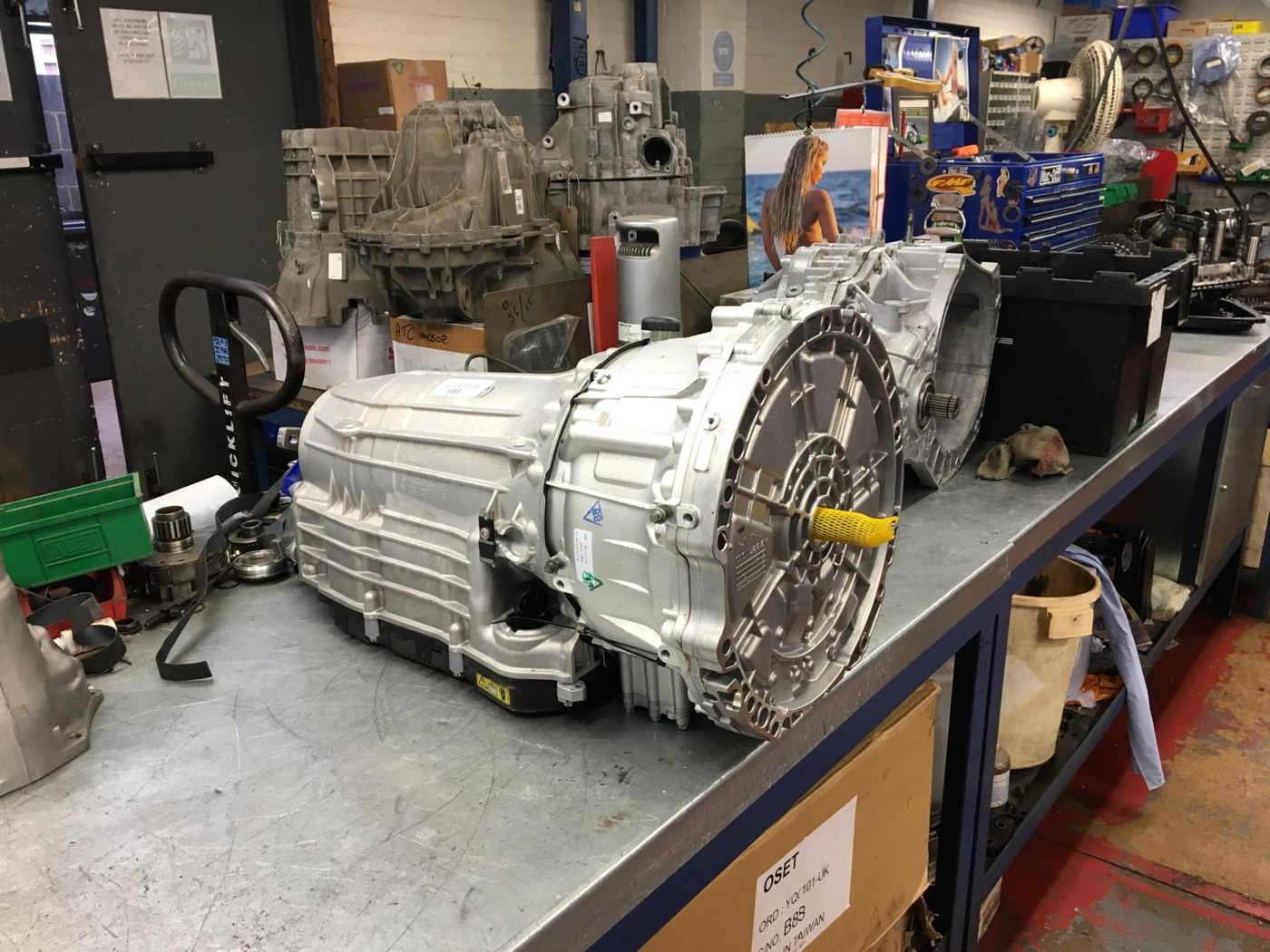
A rebuilt automatic, with the clutches replaced inside the unit rather than fitting a whole new gearbox.
Clutch FAQs
How long does a clutch last?
There is no set mileage. A clutch is a wear part, so its life depends on how the car is driven. Careful driving on mixed roads can see a clutch last well over 100,000 miles. Heavy traffic, towing, holding the car on the clutch on hills and resting your foot on the pedal all wear it faster. If the biting point is rising or the clutch is starting to slip, have it checked rather than waiting for it to fail.
Can you drive with a slipping clutch?
You can, but you should not. A slipping clutch generates heat. That heat can glaze the friction plate, damage the flywheel face and, in some cases, harm the gearbox input shaft. The more you drive on it, the more likely you are to turn a clutch job into a bigger repair. Get it looked at as soon as you notice slip.
What is a dual-mass flywheel?
A dual-mass flywheel (DMF) is a two-piece flywheel with springs between the two masses. It soaks up engine vibration before it reaches the gearbox, which makes the car smoother and quieter. When a clutch is replaced on a car fitted with a DMF, the flywheel is often inspected at the same time because a worn DMF can cause judder, noise or a heavy pedal. It is a separate part from the clutch plate, but the two work together.
Is it the clutch or the gearbox?
It is easy to mix the two up. Clutch faults tend to show as slip (revs rise, speed does not), a high biting point, judder on take-off, a heavy or spongy pedal, or a burning smell. Gearbox faults tend to show as crunching or difficulty selecting a gear even with the clutch fully down, jumping out of gear, whining, or, on automatics, delayed engagement, harsh shifts and a transmission warning light. If you are not sure, a diagnostic is the honest way to find out. That is the approach we take on automatic gearbox work at Service4Service.
Does an automatic car have a clutch?
A traditional automatic does not have a clutch pedal. It uses a torque converter and internal clutch packs to change gear. A dual-clutch gearbox (DCT, DSG, Powershift and similar) still uses clutches, but the gearbox operates them for you. There is no pedal. If a dual-clutch or automatic is slipping, jerking or going into limp mode, that is gearbox territory. Our main work is automatic gearbox repair, including clutch pack replacement on dual-clutch units.
Why is my clutch biting point so high?
A high biting point usually means the friction material on the clutch plate has worn thinner. The pedal has to travel further before the plate is clamped. It can also be caused by a stretched cable or a hydraulic fault, so it is not always the clutch itself. Either way, it is an early warning. Leave it and the clutch will eventually start to slip.
What happens if you ignore a worn clutch?
A worn clutch that is still just about driving will usually get worse. Slip creates heat, which can damage the flywheel and the pressure plate. If the clutch fails completely, you may not be able to select a gear or pull away. On dual-clutch automatics, ignored clutch wear can contaminate the gearbox or put extra load on the mechatronic unit. Early diagnosis is the cheaper path.
Can a dual-clutch gearbox clutch be replaced?
Yes. On many DCT, DSG and Powershift gearboxes the clutch packs can be replaced without fitting a whole new gearbox. After the clutches are fitted, the gearbox needs adaptation so it relearns the bite point. That is specialist work, not a standard manual clutch job. Service4Service diagnoses dual-clutch faults first, then recommends clutch replacement, a wider repair or a rebuild only if that is what the gearbox actually needs.
Related guides
What is a dual-mass flywheel?
How a two-piece flywheel cuts vibration, and why it is checked on a clutch job.
What is a dual-clutch gearbox?
How DCT, DSG and Powershift units use two clutches and no pedal.
What is a semi-automatic gearbox?
How an automated manual changes gear without you working a clutch pedal.
Not sure if it is the clutch or the gearbox?
If the car is slipping, juddering or struggling to select a gear, do not guess. Tell us the symptoms and we will talk you through the next step. Automatic and dual-clutch gearboxes are our main focus.
Book automatic gearbox repair Or call 0808 164 0418
Automatic gearbox repairs are guaranteed for 12 months or 12,000 miles on parts and labour. Collection and recovery can be discussed when you enquire, subject to availability.