
Automatic gearbox specialists
Does the car rev but will not accelerate?
The engine note rises. The speedo does not. That is usually gearbox slip, not a lack of engine power.
- Foot down, revs climb, the car stays put?
- Worse on a hill, a merge, or when hot?
- A burnt smell after you try to pick up speed?
When an automatic revs but will not accelerate, the engine is working and the gearbox is not holding. Clutch packs, a converter or a CVT belt. That diagnosis is core work at Service4Service.
Revving it harder does not force grip. It makes heat. Stop doing that.
8am - 5.30pm Mon-Fri


Why does a car rev but not accelerate?
If an automatic car revs but will not accelerate, the gearbox is usually slipping: the engine is turning but drive is not reaching the wheels. Causes include worn clutch packs, a failed torque converter, low fluid or pressure, and on a CVT, belt or pulley slip. A dual-clutch can slip on one clutch. Stop driving and arrange diagnosis.
If the engine is healthy and road speed will not follow, the automatic gearbox is slipping. Internal clutch pack plates, a torque converter, or a CVT that has lost hold.
A dual-clutch can do the same on one clutch. You get revs and a hollow pull in odd or even gears.
A diagnostic check plus an oil check splits a gearbox from a traction-control cut or a turbo fault. If limp mode is on, you may only have one gear of weak drive.
- Revs rise with little or no gain in road speed
- Gearbox slip is likely if the engine runs normally
- Fluid level and condition are quick first checks
- Engine faults, traction control cuts and exhaust blockages are other possibilities
Revving a slipping auto cooks it
Every attempt to 'make it catch' glazes the packs and burns the fluid. You can turn a clutch job into a full unit in one journey. Ease off and call.
Revs-but-no-go symptoms people search
If any of these sound like your car, do not wait for it to fail on the road.
Revs rise, speed does not
Slip. Not a weak engine on its own.
Worse on a hill
Load shows the missing grip.
Flare then a thump
The pack finally bites, late.
Burnt smell
Friction material in the oil.
Fine in Neutral revs, dead in Drive
The engine can spin. The gearbox cannot send it.
Warning light after a few tries
The computer has seen the slip.
How we tell engine from gearbox
If the car pulls cleanly in one ratio and dies in another, think packs. If every ratio is hollow, think converter, pump or a gearbox fluid leak that dropped the level.
Ford and Volkswagen dual-clutch cars often show this as a flare in first. Still a gearbox job.
You ask for speed
The engine revs.
The pack does not hold
The car does not follow.
Heat builds
The next attempt is worse. It only gets worse.
Revs-but-no-go work we do
We confirm slip on the road, inspect the oil and diagnose the pack, converter or dual-clutch clutch, then repair the automatic.
- Road test versus engine faults
- Clutch pack and converter diagnosis
- Fluid level and leak checks
- Collection when it will not pull away
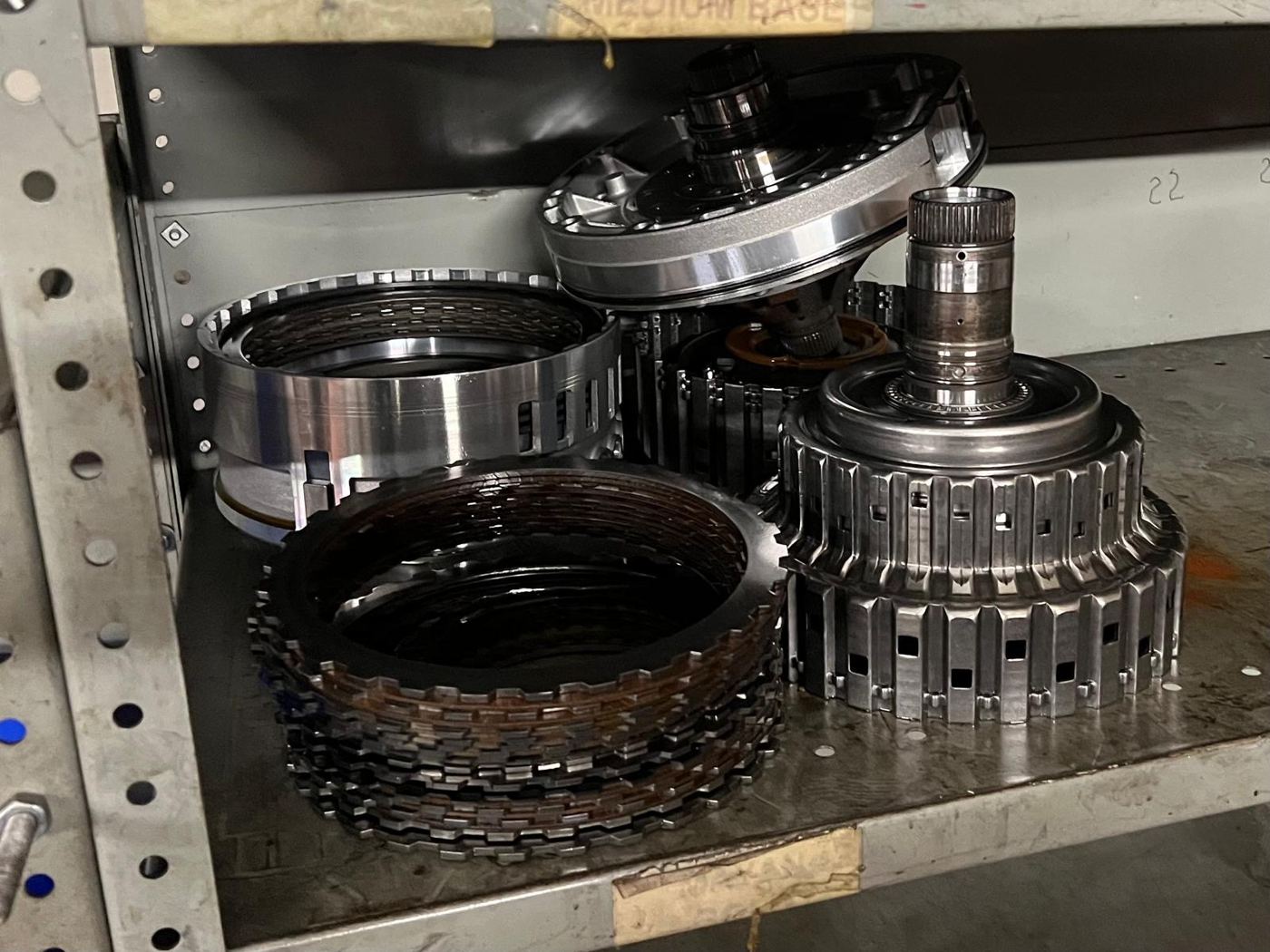
Still trying to make it catch?
Stop revving it. That is automatic gearbox repair. Call while it still moves.
Why this work comes to Service4Service
- Automatic and dual-clutch work is core work, not a sideline
- Diagnosis before parts
- Collection when the car should not be driven
- 12 months or 12,000 miles on parts and labour
Guarantee and payment
Repairs are backed by a 12 month or 12,000 mile warranty on parts and labour. See Payment Options for ways to pay.
If revs climb freely in Drive, start with the gearbox. An engine in limp still usually moves the car.
Yes. Fluid coupling that will not hold feels like slip.
Hot slip is worse, not better.
Delayed Drive is a pause from rest. This is lost grip under load. They often arrive together.
No.
If it will not pull, get it recovered. Driving it there can finish the unit.
On an automatic, it usually means drive is slipping inside the gearbox because of worn clutch packs, low pressure, a failing torque converter or, on a CVT, belt or pulley slip. If the engine itself is losing power, a fuel, turbo or exhaust fault is possible.
With a slip, engine revs rise sharply while road speed barely changes and the engine sounds free. With an engine fault, power is weak and the engine may stumble, smoke or show a management light. A scan and road test give a clear answer.
No. A slipping gearbox generates heat and can drop debris into the fluid, and the car may fail to pull out of a junction. If it is moving, get to a safe place, then arrange diagnosis or recovery.
Related guides
Do not rev a slipping automatic to make it go
If the engine note rises and the car does not, tell us. That slip is automatic work we diagnose every day.

