Automatic gearbox specialists
Can you drive with a faulty gearbox?
You might still move. You should not treat that as a yes. Heat, metal and limp mode make the next repair bigger, or they leave you on the hard shoulder.
- Still moving, so you are tempted to finish the week?
- In limp, and wondering if the motorway is ok?
- A light on, but it still changes gear?
A faulty automatic can still crawl. That is not permission. Slip and heat spread the damage. Limp mode is protection, not a travel mode. That advice is part of automatic work at Service4Service.
If you have no Drive, a grind, or a temperature warning, recover the car. Do not try to nurse it home.
8am - 5.30pm Mon-Fri
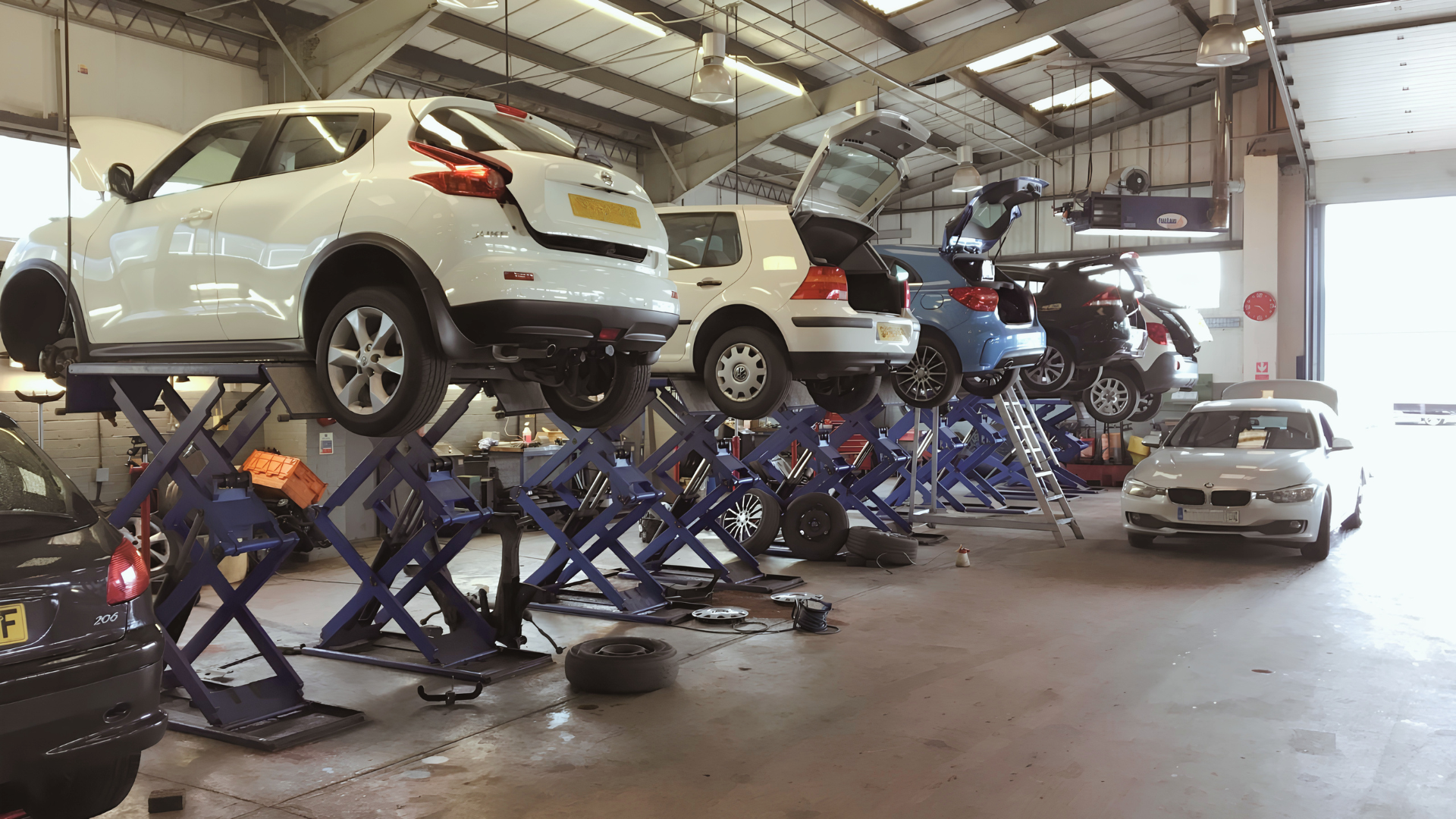


Can you drive with a faulty gearbox?
You can sometimes move a car with a faulty gearbox, but it is not advisable beyond getting to safety or a garage. Slipping, overheating and limp mode can damage clutch packs and fill the fluid with debris, and the car may fail to pull away in traffic. Book a diagnostic check, or arrange recovery, rather than carrying on.
Short answer: only as far as safety, then stop. Slipping, a gearbox warning light, delayed Drive or limp mode are the unit asking for a diagnostic check, not another 40 miles.
Keep going and you glaze clutch pack plates, varnish the valve body and fill the oil with metal. A repair becomes a rebuild, or you get no movement in Drive at a junction.
Ford, Volkswagen and BMW automatics all fail the same way if you ignore them: heat first, then no Drive. Collection exists for this reason.
- A short journey to safety only
- Continued driving spreads damage and widens the repair
- Limp mode is a protective state, not a fix
- A car that may not pull away is a safety risk
The extra miles are the expensive ones
The fault you have now may still be a solenoid, a sensor or a clutch pack. The fault you will have after a week of driving it is often the whole unit. Stop while the honest job is still small.
When you must not keep driving
If any of these sound like your car, do not wait for it to fail on the road.
No Drive or Reverse
Recover it.
Grinding or a bang
Metal is loose. Recover it.
Temperature warning or burnt smell
Heat is finishing the packs.
Limp on a motorway
Leave at the next exit. Do not sit in sixth-gear traffic at 70.
Fluid pouring underneath
Level is collapsing.
It still 'feels ok' with a lamp on
Intermittent is not healthy.
What happens if you keep driving
Slip makes heat. Heat cooks automatic transmission fluid. Burnt oil sticks valves and glazes plates. One overheating event can be the last journey the unit makes.
If the car is already unsafe, we can collect it. Driving a dying automatic to save a recovery is how people pay twice.
The fault shows
Light, slip, bang or limp.
You keep using it
Heat and debris spread.
Drive disappears
Now you have no choice. It only gets worse.
If you should not drive it, we can still help
Diagnosis, repair and collection on automatics that should not be driven. We would rather see it on a trailer than on a truck after it has seized.
- Honest advice on whether it can move
- Collection when limp or slip makes driving unwise
- Diagnosis before parts
- Repair of the actual fault
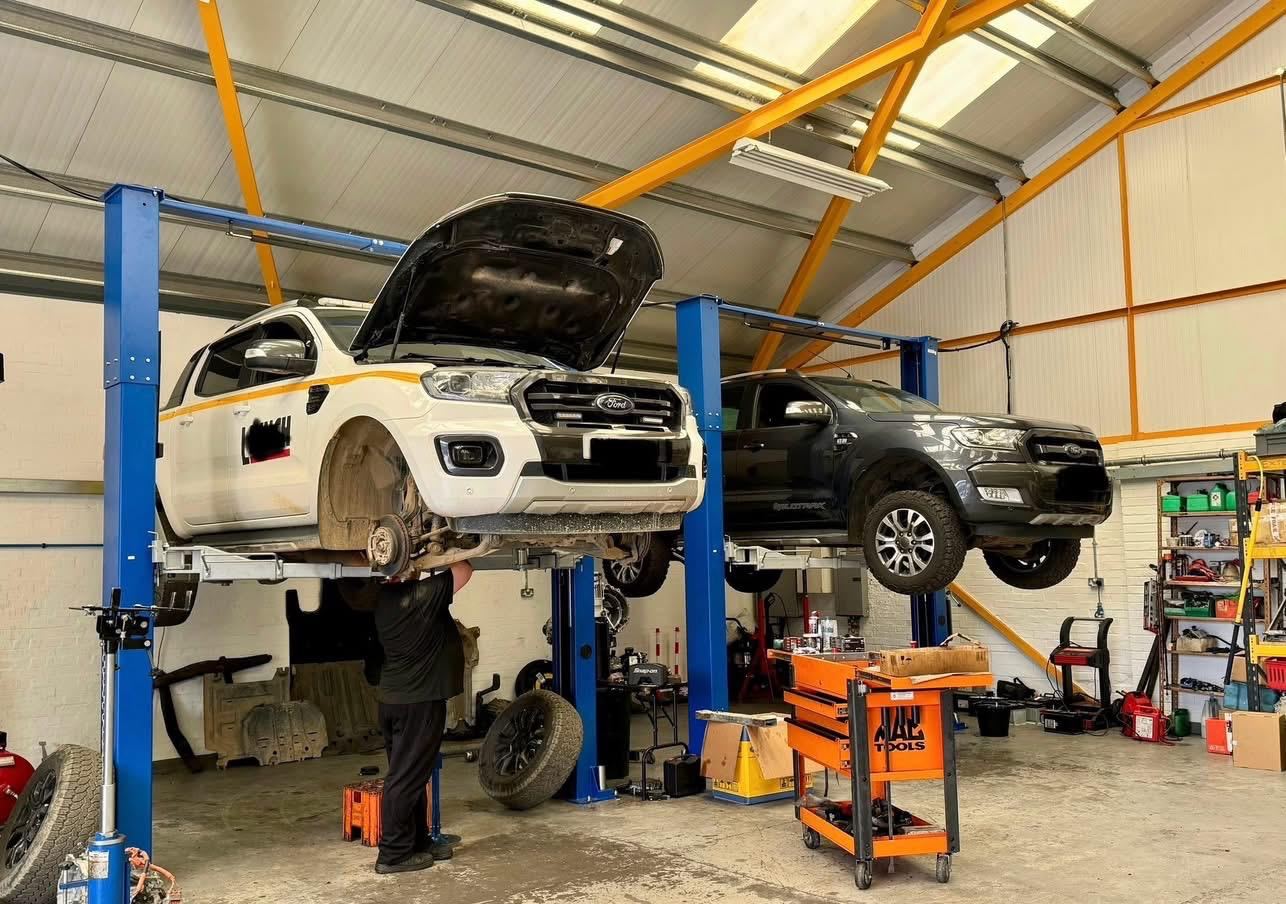
Still deciding whether to drive it?
Call before the next trip. If it is automatic work, that is automatic gearbox repair. If it should be recovered, we will say so.
Why this work comes to Service4Service
- Automatic and dual-clutch work is core work, not a sideline
- Diagnosis before parts
- Collection when the car should not be driven
- 12 months or 12,000 miles on parts and labour
Guarantee and payment
Repairs are backed by a 12 month or 12,000 mile warranty on parts and labour. See Payment Options for ways to pay.
Crawl to a safe place. Do not treat one gear as a journey.
Get it scanned. The fault is usually still there.
There is no safe distance. Every mile adds heat.
Yes, when the car should not be driven.
No. Automatic and dual-clutch only.
The legal test is whether the car is safe and in a fit condition. Limp, no Drive or a leak that creates a hazard is a stop, not a debate.
There is no safe distance. Some gearboxes fail within a few miles and others last longer, but damage increases with distance. Treat any gearbox fault as a reason to stop soon, check the fluid and arrange diagnosis or recovery.
Slipping creates heat that glazes clutch plates, degrades the fluid and spreads debris to the pump and valve body. A repair that could have been limited can grow into a rebuild, and the car may eventually lose drive altogether.
If the car is on a motorway, will not pull away reliably or is overheating, recovery is the safer choice. If it is moving normally in a held gear, drive carefully and briefly to a safe place, then arrange diagnosis.
Related guides
What is a gearbox diagnostic check?
The next step instead of another week of driving it.
Do not spend the last good miles making the job bigger
If the auto is slipping, in limp or the lamp is on, tell us. We will say if it can move, or if it should come in on a trailer.