Automatic gearbox specialists
Is your automatic gearbox making a whining noise?
A whine that rises with road speed, or a howl under load. Gearbox noise does not quieten down. It gets a rumble, then a bang.
- A new whine that follows speed, not engine revs?
- Louder on the overrun, or in one ratio?
- Metal on the drain plug and a noise that is growing?
A whining automatic is usually a bearing, a pump or a gear set asking for help. Noise is a warning. That diagnosis is core work at Service4Service.
A howl that has just arrived will not bed in. Metal in the oil is already travelling.
8am - 5.30pm Mon-Fri
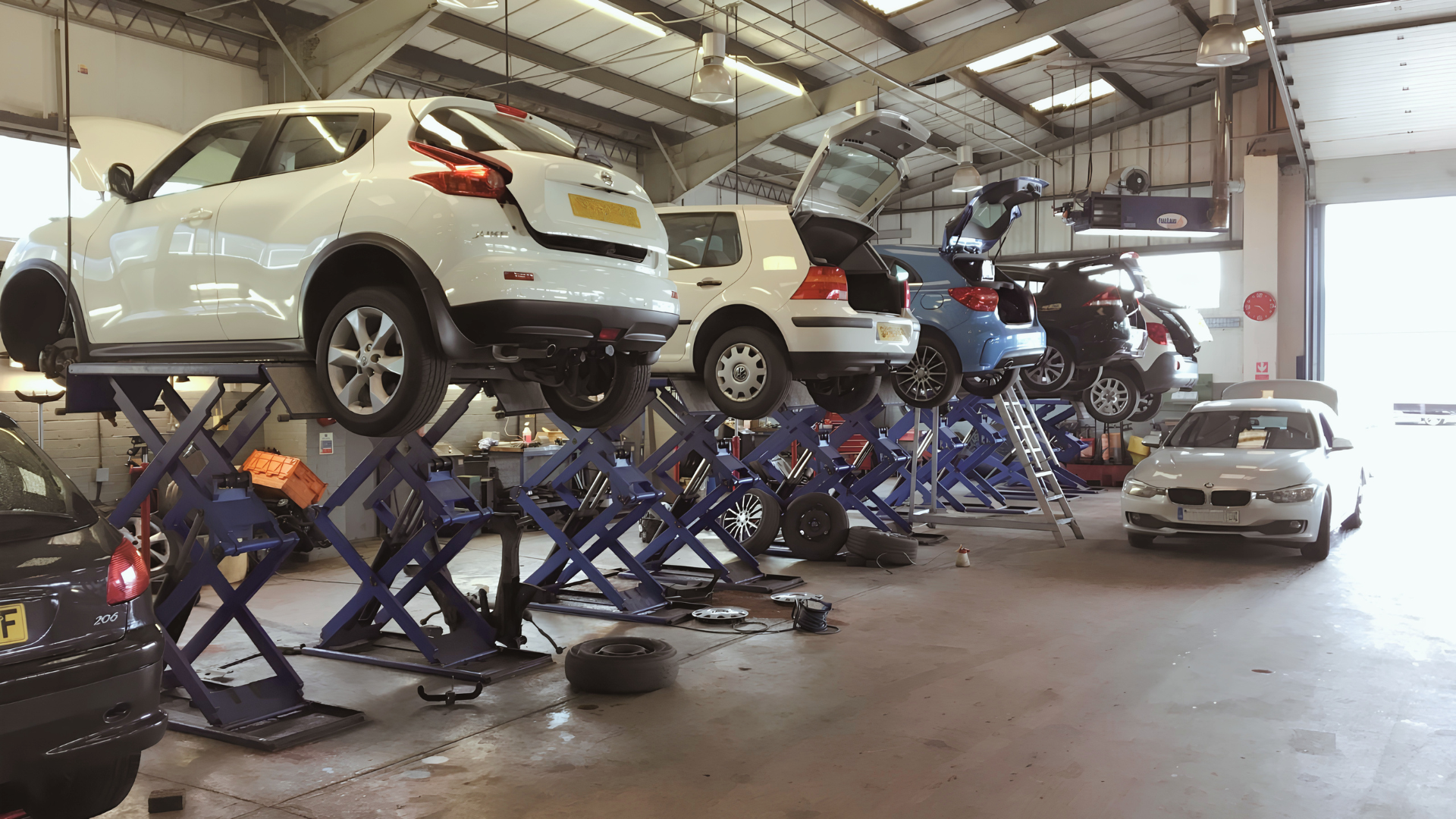


Why does an automatic gearbox whine?
A whining noise from an automatic gearbox that follows road speed often points to a worn bearing or planetary gear set. A whine that follows engine speed, even in Park, can point to the oil pump or torque converter. A CVT may howl under load. Noise with limp mode or a warning light should be diagnosed promptly.
Whine that follows road speed is often a gearbox bearing or a planetary gear set. A whine that follows engine revs in Park can be the gearbox oil pump or the torque converter.
A CVT belt or pulley can howl under load. A dual-clutch input bearing has its own note.
A diagnostic check plus an oil inspection is how we split a gearbox from a tyre or a differential. If limp mode or a gearbox warning light sits with the noise, stop treating it as a wheel bearing.
- A speed-related whine suggests bearings or gears
- An engine-speed whine in Park suggests the pump or converter
- Low fluid can make the noise louder
- Tyres, wheel bearings and differentials can sound similar
A gearbox howl can take the unit with it
Whine becomes rumble becomes a bang. Keep motorwaying it and a shaft can walk. Recover it while it still drives in a straight line.
Whine symptoms people search
If any of these sound like your car, do not wait for it to fail on the road.
Whine with road speed
Bearings or gears.
Whine in Park with revs
Pump or converter area.
Worse in one gear
That set or that shaft.
Rumble on overrun
A bearing that is already loose.
After a missed service
Starved bearings, dirty oil.
Then a bang and no Drive
Too late for a maybe.
How we trace a gearbox whine
We listen, load it, and look at the oil. Automatic transmission fluid full of metal is not a filter-only job.
BMW ZF units and Audi automatics both get pump and bearing noises. The test, not the badge, decides the job.
A bearing starts to pit
You hear a whine.
Play grows
Rumble, then metal in the oil.
The shaft walks
Noise becomes no Drive. It only gets worse.
Gearbox-noise work we do
We diagnose whine versus wheel bearings and differentials, then strip or repair an automatic when the oil and the noise say the internals are the job.
- Noise and oil diagnosis
- Pump versus bearing versus gear set
- Rebuild versus replacement advice
- Collection when it should not be driven
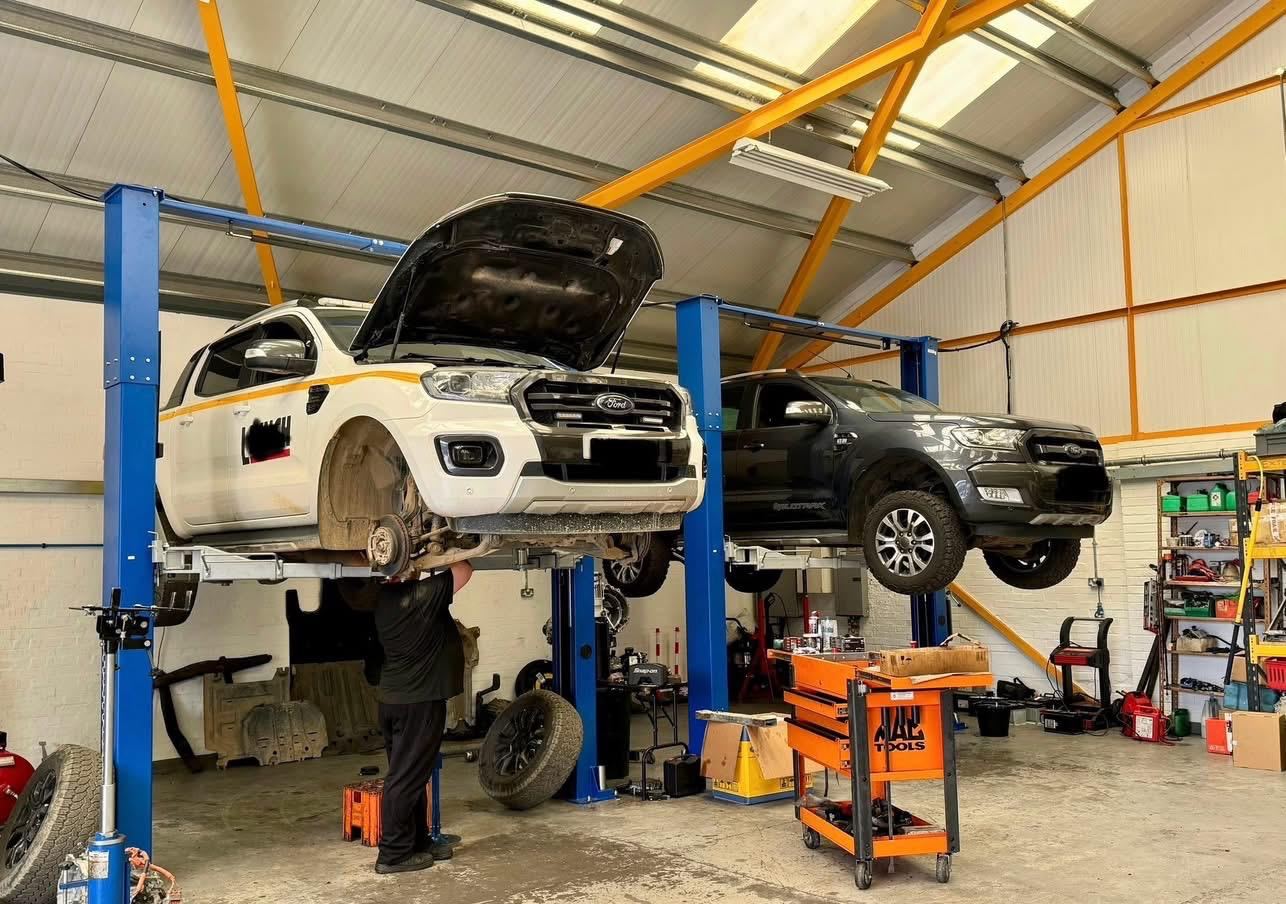
Still driving with a gearbox howl?
A new automatic noise is not a wheel bearing until it is checked. That is automatic gearbox repair. Call.
Why this work comes to Service4Service
- Automatic and dual-clutch work is core work, not a sideline
- Diagnosis before parts
- Collection when the car should not be driven
- 12 months or 12,000 miles on parts and labour
Guarantee and payment
Repairs are backed by a 12 month or 12,000 mile warranty on parts and labour. See Payment Options for ways to pay.
Some units have a faint pump note. A new, rising howl is not normal.
Yes. Check for a leak before you add a bottle and hope.
No. That hides nothing and can starve the hydraulics.
Load, speed and which wheels are driven help us split them. We test it.
No. Automatic and dual-clutch noise is the work.
No. Rumble is late.
Typical causes are a worn gearbox bearing, worn gears, a failing oil pump, a damaged torque converter, low or contaminated fluid, and on a CVT, a worn chain or pulley bearing. The pattern of when it occurs points toward the source.
They can sound alike. A gearbox whine often changes with gear or engine load, while a wheel bearing noise changes with steering load and a differential noise changes on and off the throttle. A road test and inspection confirm the source.
Yes. Low or aerated fluid starves the oil pump and lubrication circuit, which can cause whining and wear. If the level is low there is a leak to find, so topping up is a temporary measure at best.
Related guides
Do not ignore a new gearbox whine
If the noise follows speed or there is metal in the oil, tell us. Whine diagnosis is work we do every day.