
Automatic gearbox specialists
Is your automatic gearbox overheating?
A temperature warning, a burnt smell, or limp mode after a hill or a tow. Heat cooks an automatic from the inside.
- Gearbox hot warning after traffic or a tow?
- Burnt smell from under the car?
- Fine on a short trip, awful on a run?
An automatic dumps heat through the fluid and the cooler. When that circuit fails, or the gearbox is already slipping, temperature climbs. Overheating is how good units die. That diagnosis is core work at Service4Service.
A temperature warning is not a suggestion. Pull over, let it rest, and do not motorway home.
8am - 5.30pm Mon-Fri


Why does an automatic gearbox overheat?
An automatic gearbox overheats when heat is created faster than the fluid and cooler can remove it. Common causes are slipping clutch packs, low or degraded fluid, a blocked or leaking cooler, a torque converter that will not lock up, or towing and traffic. A burning smell or temperature warning means stop and have it checked.
Automatic transmission fluid carries heat to the transmission cooler. Slip, a gearbox fluid leak, a blocked cooler or towing without the right cooler all raise temperature.
A slipping clutch pack makes its own heat. So does a torque converter that will not lock up. The warning is late. Damage starts before the lamp.
A diagnostic check with temperature data tells us if it is the cooler, the fluid or the internals. Limp mode is the usual safety net. BMW and Audi cars often log overheat events you cannot see on a generic tool.
- Heat is the main cause of automatic gearbox wear
- Slipping, low fluid and cooler faults raise the temperature
- A burnt smell and dark fluid are warning signs
- A warning often comes after damage has started
An overheating automatic can fail in one journey
Heat varnishes the valve body and glazes the packs. Keep going and you can wreck a unit that was still saveable at the first warning. Stop.
Overheating symptoms people search
If any of these sound like your car, do not wait for it to fail on the road.
Temperature warning
The oil cannot dump heat.
Burnt smell after a hill
Slip or a blocked cooler.
Limp after a tow
The unit protected itself.
Fine short, awful in traffic
Heat soak.
Dark, burnt fluid
The damage has started.
Milky oil as well
Cooler mixing coolant. Stop.
How an automatic dumps heat
Hot oil leaves the gearbox, passes the cooler, and returns. A skipped automatic gearbox service leaves varnish. A gearbox filter that is blocked starves flow.
Towing, mountains and stop-start are the hard tests. A healthy unit copes. A tired one does not.
Heat should leave through the cooler
Oil stays in range.
Slip or a block raises temperature
The warning comes on.
Packs glaze
The next trip is worse. It only gets worse.
Overheating work we do
We read temperature data, inspect the cooler circuit and the oil, then repair leaks, coolers or the gearbox if heat has already cooked it.
- Temperature and cooler diagnosis
- Fluid condition checks
- Slip versus cooler faults
- Collection when it should not be driven
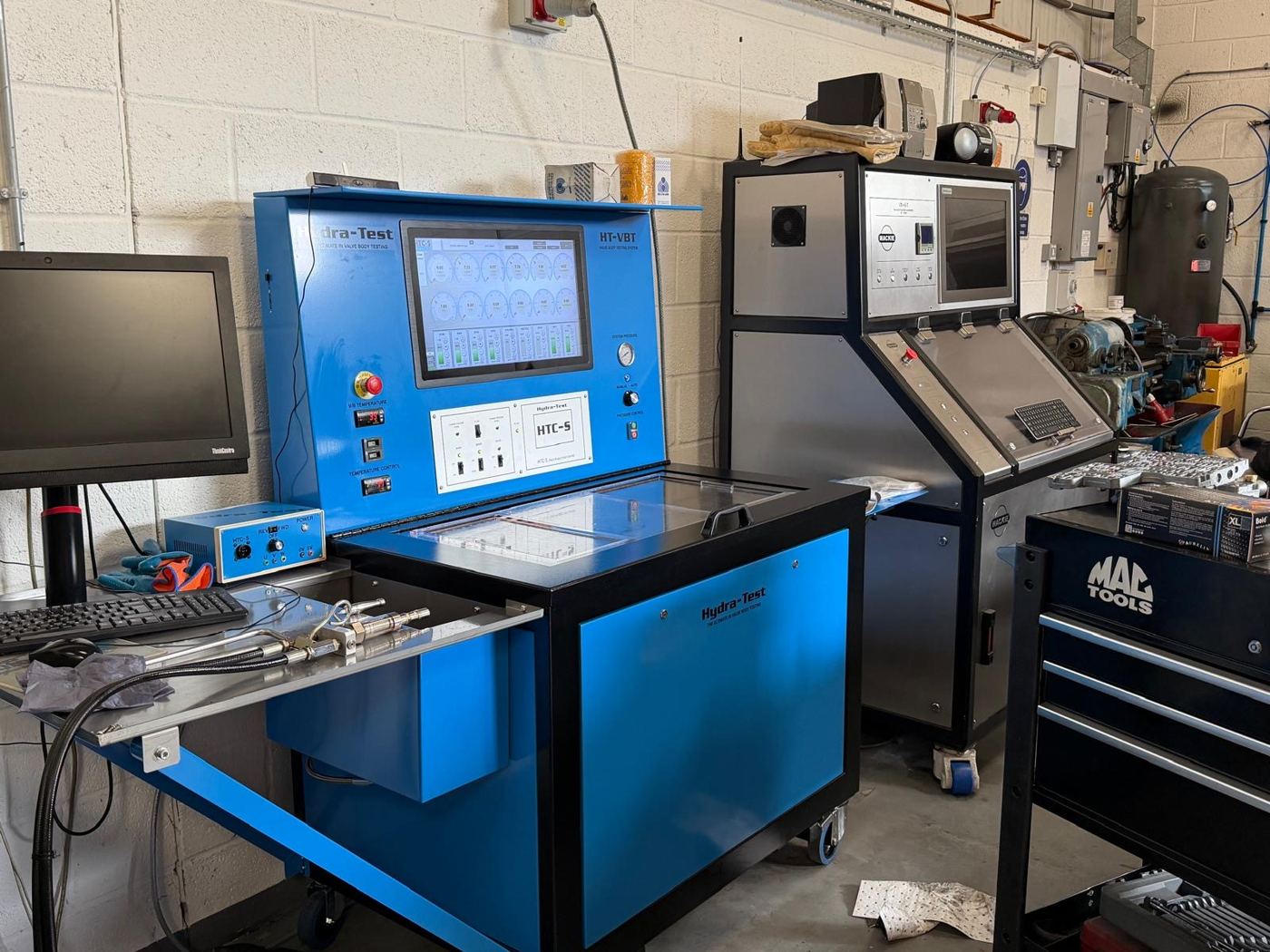
Had a gearbox temperature warning?
Do not drive it hot. That is automatic gearbox repair of the cause, not a reset. Call.
Why this work comes to Service4Service
- Automatic and dual-clutch work is core work, not a sideline
- Diagnosis before parts
- Collection when the car should not be driven
- 12 months or 12,000 miles on parts and labour
Guarantee and payment
Repairs are backed by a 12 month or 12,000 mile warranty on parts and labour. See Payment Options for ways to pay.
No. Pull over and call.
If the cooler is blocked and the gearbox is still healthy, the circuit can be repaired. If the oil is already burnt, diagnose the unit.
It can, especially with a tired cooler or neglected fluid.
Often. Clutches and ATF smell distinct. We will confirm.
No.
Talk to us first. Extra cooling will not save a slipping unit.
Typical causes are low or degraded fluid, slipping clutch packs, a blocked or leaking cooler, a torque converter that is not locking up, heavy towing, long stop-start driving, and hot weather combined with any of these.
A sharp burning smell usually means overheated fluid or friction material, often from slipping clutch packs or low fluid. Stop driving, let the car cool and have it checked, because continued driving can damage the unit.
Pull over when it is safe and let the car cool. Do not continue at motorway speeds or tow. Check for leaks and, if the warning returns, arrange diagnosis or recovery rather than driving on.
Related guides
Do not motorway an overheating automatic home
If the warning is on or the oil smells burnt, tell us. Heat is how automatics die on the last few miles.

