
Automatic gearbox specialists
Is your automatic harsh shifting?
A clunk into Drive, a bang on 1-2, or a slam at low speed. Harsh is not sporty. It is a fault.
- A bang every time it changes at 15mph?
- Clunk into Drive or Reverse on a slope?
- Quoted a gearbox when the codes point at hydraulics?
Harsh shifting is oil arriving too fast or too late. Valve body wear, dirty fluid or a pack that slams. That diagnosis is core work at Service4Service.
A slamming automatic hammers the next clutch. The bang you live with this month is metal in the oil next month.
8am - 5.30pm Mon-Fri


What is automatic gearbox harsh shifting?
Harsh shifting is a bang, clunk or jolt when an automatic changes gear or engages Drive. Common causes are valve body wear or sticking solenoids causing pressure spikes, worn or glazed clutch packs, low or wrong fluid, and learned values that need resetting. It can also be a worn mount, so diagnosis comes first.
Harsh shifting is a clunk or bang on a change, or into Drive. On a conventional automatic gearbox the valve body is a frequent cause. Solenoid valves stick, bores wear, pressure spikes.
It overlaps jerking. The search is different. The test is the same: a diagnostic check with live shift times.
ZF gearbox 8HP units in BMW cars are regulars for a harsh 1-2 when hot. Dual-clutch harsh is more often packs or a mechatronic. Limp mode can follow.
- A clunk into Drive or a bang on the 1-2 or 2-3 change
- Valve body and solenoid faults are common causes
- Fluid condition and level should be checked first
- Mounts and engine faults can feel similar
Harsh shifts only get harsher
A polite clunk becomes a bang, then a flare, then limp. Dirty oil keeps scoring the bores. Do not wait for the slam to crack a mount as well.
Harsh-shift symptoms people search
If any of these sound like your car, do not wait for it to fail on the road.
Bang on 1-2
Valve body classic.
Clunk into Drive
Line pressure or a pack.
Worse in the last metre of a junction
Low-speed apply is the hardest test.
Fine when cold, harsh when hot
Clearances grow. Varnish shows.
After a missed service
Fluid and a loaded filter.
Mounts already torn
The bang has been there too long.
Why a shift slams
The TCU wants a timed rise in pressure. Worn bores leak, then dump. Burnt automatic transmission fluid and a skipped automatic gearbox service are a common pair.
A valve body repair is often enough if the packs are still healthy. A whole gearbox is not the default.
A valve should meter the oil
The pack takes up smoothly.
The valve sticks or leaks
You get a bang.
The bang repeats
Packs glaze. It only gets worse.
Harsh-shift work we do
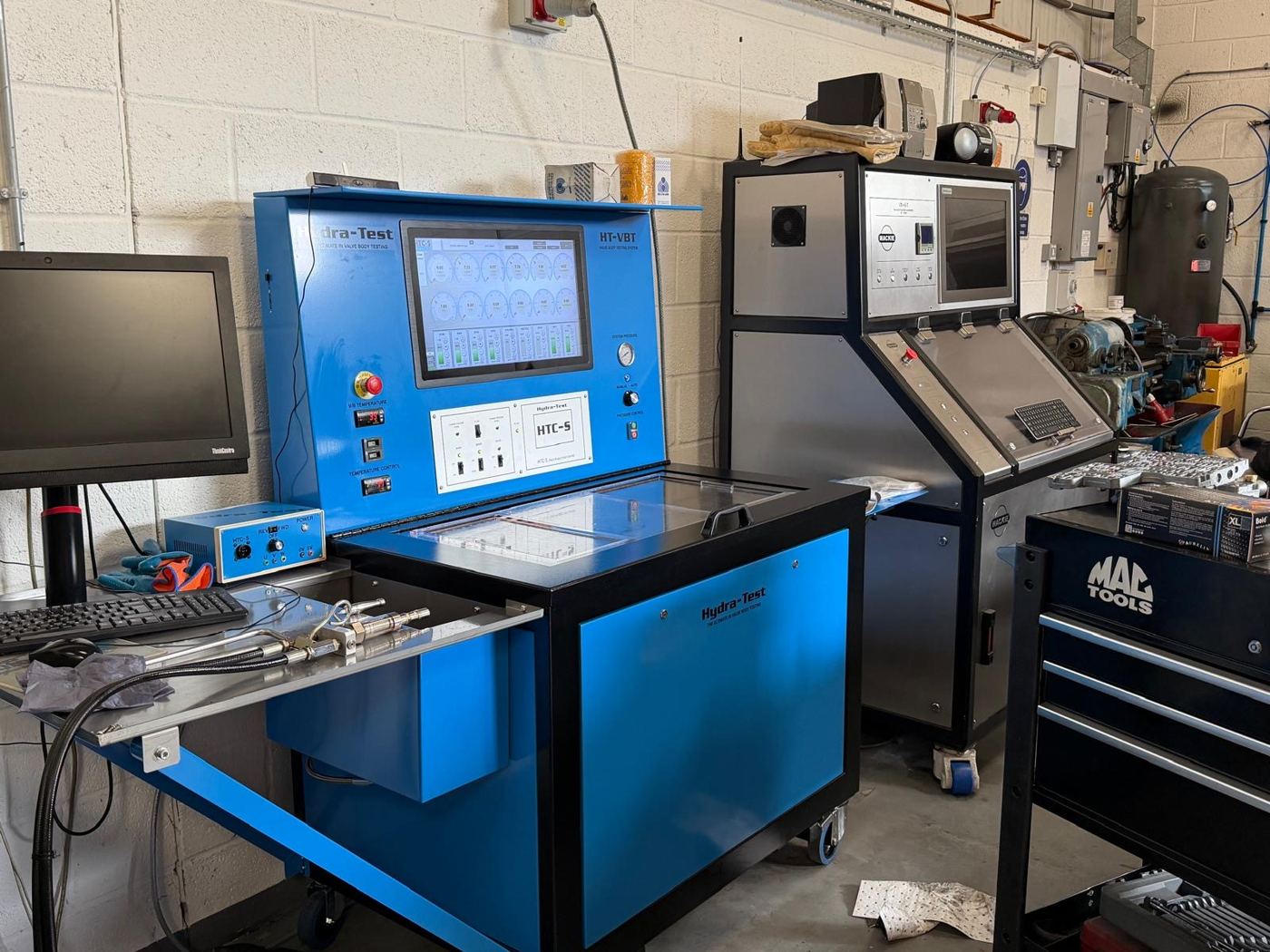
We diagnose clunks versus mounts versus internals, then repair the valve body or the packs when that is the honest job.
- Shift-time diagnosis
- Valve body repair
- Fluid and filter inspection
- Adaptation after the work
Still living with a slamming auto?
Harsh is a fault. That is automatic gearbox repair. Call before limp mode.
Why this work comes to Service4Service
- Automatic and dual-clutch work is core work, not a sideline
- Diagnosis before parts
- Collection when the car should not be driven
- 12 months or 12,000 miles on parts and labour
Guarantee and payment
Repairs are backed by a 12 month or 12,000 mile warranty on parts and labour. See Payment Options for ways to pay.
A tiny take-up can be. A bang you feel in the cabin is not.
Sport is keener. It is not allowed to slam. If every mode bangs, it is hardware.
Not if bores are worn. Flushing a failing unit can make it worse.
They snatch more than they clunk. Still a fault.
No.
If it bangs, you are hurting the packs. Book a test.
Hard shifts happen when clutch application pressure is too high or poorly timed. A sticking valve, a faulty pressure solenoid, worn clutch packs, dirty or low fluid, or poorly set adaptation values are common reasons.
A misfire or mount fault is often felt regardless of gear changes, while harsh shifting is tied to the moment the gearbox changes ratio or engages Drive. A road test with live data and a visual check of the mounts separates them.
Yes. Repeated shocks stress clutch packs, shafts and mounts, and a pressure fault behind the harshness can worsen. Early diagnosis keeps a valve body or solenoid repair from becoming a clutch pack or gearbox rebuild.
Related guides
Automatic jerking when changing gear
The lurch people describe the same job with.
Do not call a bang a character trait
If Drive clunks or 1-2 slams, tell us the symptoms. Harsh-shift diagnosis is work we do every day.

