
Automatic gearbox specialists
Is there a delay when your automatic engages Drive?
You select Drive or Reverse, then wait. A pause, a flare, then a thump. That delay grows. It does not shrink.
- A two-second wait into Drive that used to be instant?
- Worse from cold, or only when hot?
- A bang when it finally takes up?
Delayed Drive is the automatic taking too long to clamp a pack. Oil, pressure, the valve body or the clutches are late. That diagnosis is core work at Service4Service.
A delay that becomes a bang is the pack slamming on. Stop treating it as a quirk.
8am - 5.30pm Mon-Fri


Why does an automatic delay engaging Drive?
A delay engaging Drive or Reverse in an automatic is a pause between moving the selector and the car taking up drive. Typical causes are low or degraded fluid, a weak oil pump, a sticking solenoid, worn clutch seals or packs, or a range sensor fault. The delay often lengthens as the gearbox warms.
When you select Drive, the transmission control unit asks the valve body to apply a clutch pack. If automatic transmission fluid is low, the gearbox oil pump is weak, or a solenoid sticks, you wait. Then it thumps.
Reverse uses a different clutch. Delay in both is pressure. Delay in one is often that pack.
A diagnostic check with a temperature reading tells us if it is cold-only varnish or a failing pump. If limp mode has already arrived, do not keep cycling Park to Drive.
- A pause, then a thump or bang into gear
- Pressure loss is the common theme
- Cold-only and hot-only delays point to different causes
- Check fluid level and condition early
Delayed Drive gets later, then disappears
What starts as a pause becomes a long wait, then no Drive at all. Each late clamp glazes the pack. Call while the car still moves.
Delayed Drive symptoms people search
If any of these sound like your car, do not wait for it to fail on the road.
Pause into Drive
Classic delayed engagement.
Pause into Reverse
A different pack, same hydraulics.
Thump when it finally goes
Pressure arriving in a lump.
Worse when hot
Pump wear or thinning oil.
Worse from cold
Thick, tired fluid or varnish.
Then no Drive
The delay won. Diagnose yesterday.
What should happen when you select Drive
The range sensor confirms Drive. Line pressure rises. The pack clamps. A range sensor fault can look like delay if the computer does not believe the lever.
BMW Steptronic and ZF gearbox 8HP units are known for a lazy take-up when the body or fluid is tired. Test, do not guess.
You select Drive
The TCU and the valve body should respond.
Pressure is late
You wait, then it bites.
The wait grows
Then you have no Drive. It only gets worse.
Delayed Drive work we do
We measure how long take-up actually takes, inspect the oil and test pressure, then repair the pump, body or packs if that is the fault.
- Timed engagement diagnosis
- Fluid, pump and valve body checks
- Clutch pack inspection when honest
- Collection when Drive is already fading
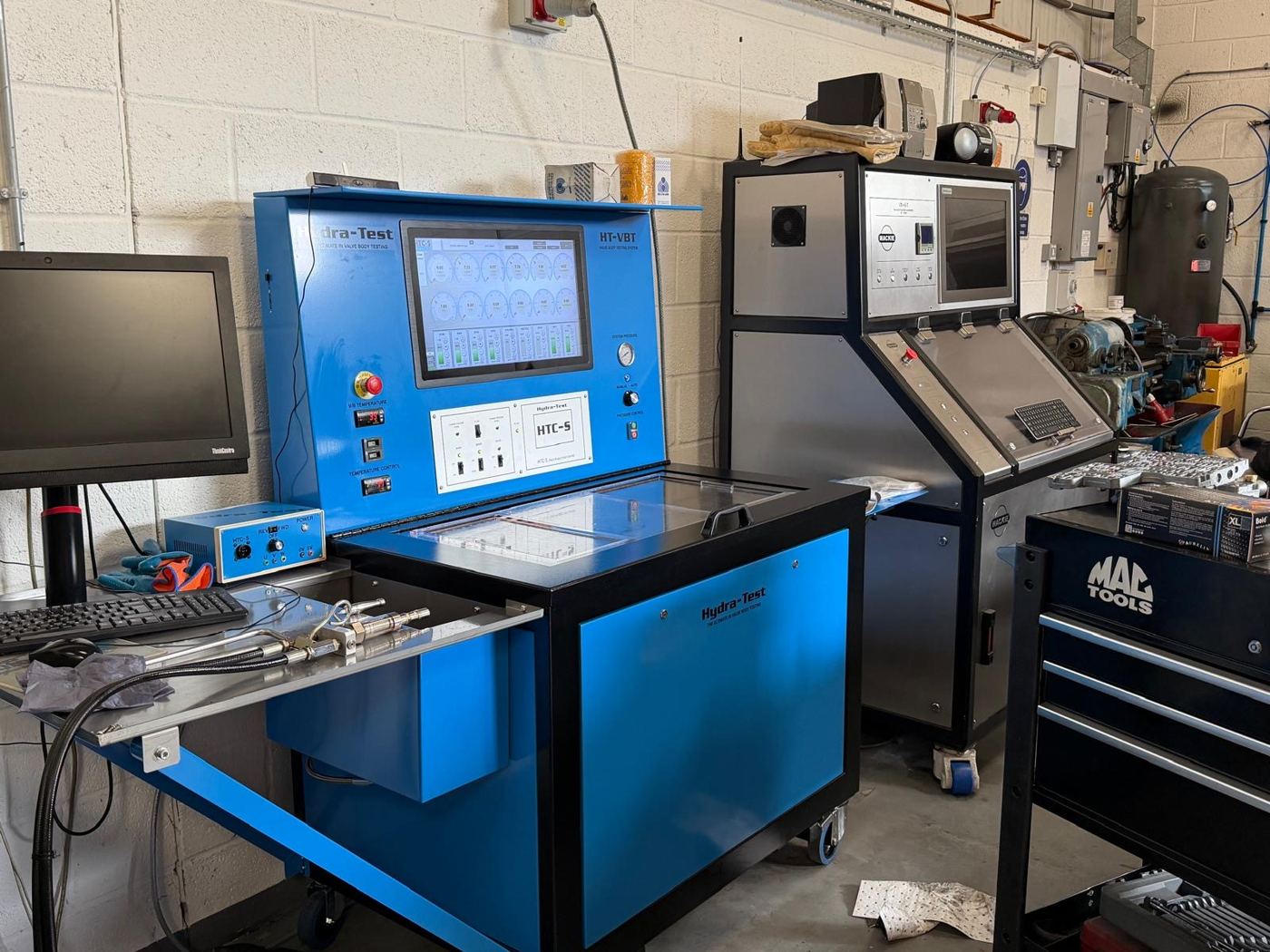
Waiting longer every week for Drive?
That pause is pressure leaving. That is automatic gearbox repair. Call before no movement in Drive leaves you stranded.
Why this work comes to Service4Service
- Automatic and dual-clutch work is core work, not a sideline
- Diagnosis before parts
- Collection when the car should not be driven
- 12 months or 12,000 miles on parts and labour
Guarantee and payment
Repairs are backed by a 12 month or 12,000 mile warranty on parts and labour. See Payment Options for ways to pay.
A brief take-up can be normal. A pause you can count, or a bang after it, is not.
Yes. Check for a leak before you keep driving it.
Reverse often uses a smaller pack. It shows wear first.
It can help varnish. A scored pump or a burnt pack will not come back.
No. This is automatic engagement.
No. You glaze the pack on purpose.
The gearbox needs hydraulic pressure to apply the forward clutch. Low or worn fluid, a weak oil pump, internal leaks in seals or clutch packs, or a sticking valve can slow the build-up, causing a pause before Drive takes up.
Cold fluid is thicker and pressure builds more slowly, so a short pause on a cold start can be normal for some gearboxes. A long pause, a bang or a delay that persists once warm points to wear or a fault.
Hot fluid is thinner and leaks more readily past worn seals and clutch packs, so pressure takes longer to build or never reaches the required level. A delay that grows with heat is a common sign of internal wear.
Related guides
Do not wait for delayed Drive to become no Drive
If Park to Drive takes a run-up, tell us the symptoms. Delayed engagement is work we diagnose every day.

