
Automatic gearbox specialists
Is your automatic jerking when changing gear?
A snatch, a lurch or a kick in the back on a shift. That is not sport mode. It is a fault, and it usually gets harsher.
- A bang on 1-2 that has crept in over months?
- Jerky dual-clutch changes in traffic?
- Told to live with it because the car is an automatic?
An automatic should change gear smoothly. A jerk is mistimed pressure, worn packs or a control fault. That diagnosis is core work at Service4Service.
A jerk that is getting worse will not learn itself better. Heat and varnish make it bang harder.
8am - 5.30pm Mon-Fri


Why does an automatic jerk when changing gear?
An automatic car jerks on a gear change when clutch application is too sharp, late or uneven. Typical causes are valve body or solenoid faults, worn clutch packs, low or degraded fluid, poor adaptation after a repair, or a worn gearbox mount. A dual-clutch can snatch when clutch engagement is wrong. Persistent jerking needs diagnosis.
Jerking on a conventional automatic gearbox is often a valve body timing the clutch pack late or too fast. It is the same fault as harsh shifts, described from the driver's seat.
A dual-clutch snatches when the clutch apply is wrong, or the packs are worn. Adaptation can help after a repair. It will not hide glazed plates.
Audi S tronic and Volkswagen DSG are regulars for low-speed lurch. A diagnostic check splits mechatronic from clutch. Limp mode can follow if you ignore it.
- Jerks can come from hydraulics, clutch wear, fluid or mounts
- Dual-clutch snatch often relates to the clutch packs or the mechatronic
- Adaptation can improve feel after a repair but cannot hide worn plates
- A road test with live data shows when the jerk occurs
A jerking automatic will not polish out
Each bang hammers the next pack. Leave it and you add slip, codes and limp mode. Do not wait for the kick to become no Drive.
Jerking symptoms people search
If any of these sound like your car, do not wait for it to fail on the road.
Bang on 1-2
Classic valve body or adaptation.
Lurch in traffic
Dual-clutch take-up, or a converter.
Worse when hot
Valves sticking as oil thins.
Fine in eco, violent in sport
Not always the map. Load shows wear.
After a battery change
Learns lost. Still test the hardware.
Then a warning light
The computer has had enough.
What makes a shift jerk
Oil should apply the pack in a controlled rise. A sticking solenoid, worn bores or dirty automatic transmission fluid dump that pressure in a spike.
Engine mounts and a tired gearbox mount can mimic a gearbox kick. We check both so you do not buy the wrong job.
The TCU commands a shift
A solenoid should meter the oil.
Pressure arrives late or all at once
You feel a jerk.
The bang gets harder
Packs suffer. It only gets worse.
Jerking-shift work we do
We diagnose harsh and jerky automatics, including dual-clutch lurch, then repair the body, the packs or the control if that is honest.
- Live-data shift diagnosis
- Valve body and solenoid repairs
- Dual-clutch clutch and mechatronic work
- Adaptation after the repair
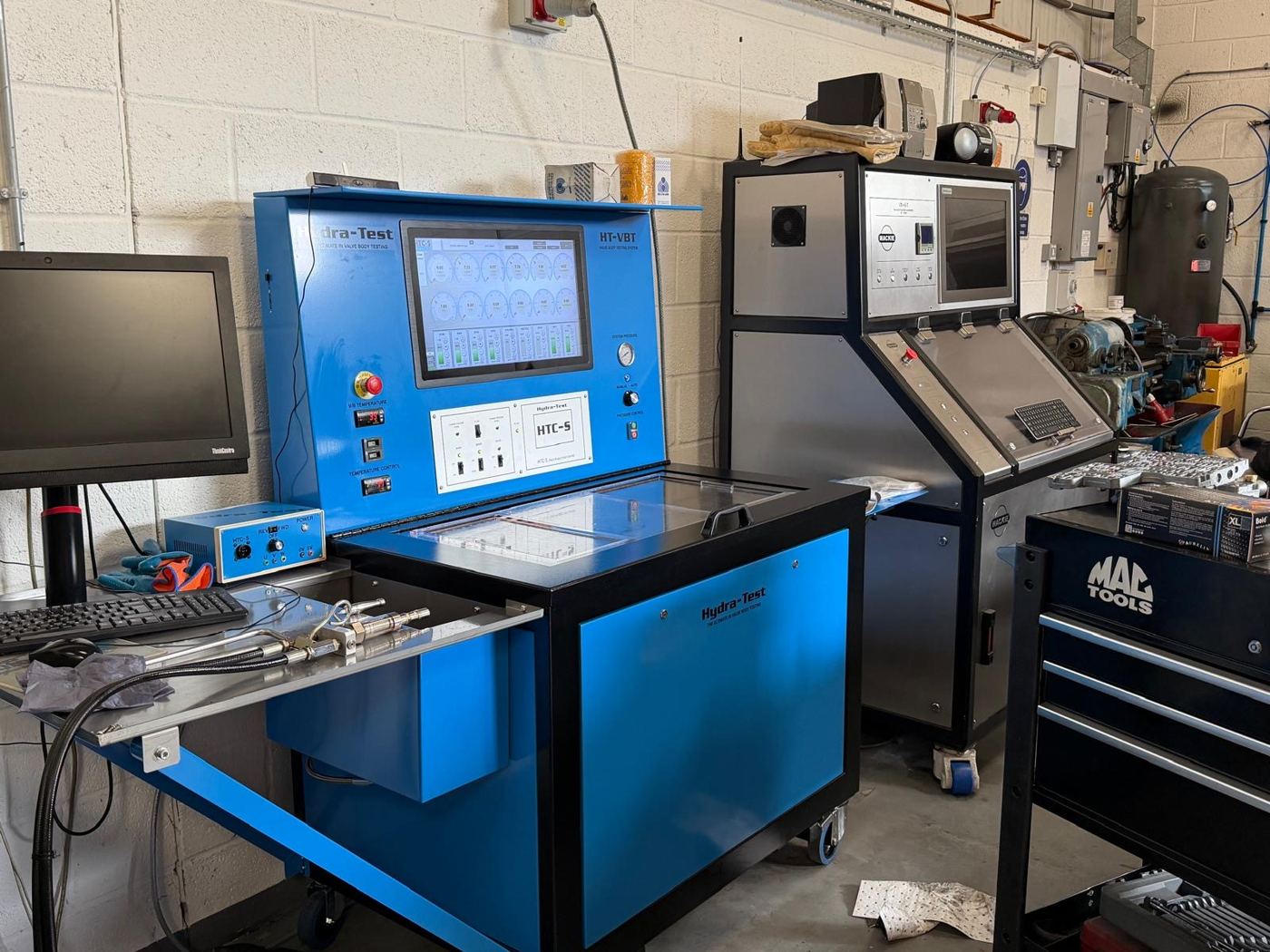
Still getting kicked on every change?
That is not how an automatic should feel. That is automatic gearbox repair. Call before limp mode.
Why this work comes to Service4Service
- Automatic and dual-clutch work is core work, not a sideline
- Diagnosis before parts
- Collection when the car should not be driven
- 12 months or 12,000 miles on parts and labour
Guarantee and payment
Repairs are backed by a 12 month or 12,000 mile warranty on parts and labour. See Payment Options for ways to pay.
Judder is a shake, often on take-off. Jerking is a bang on a change. Different feel, same need for a test.
If hardware is sound, adaptation can help. If the body or packs are worn, it will not stick.
Yes. Varnish sticks valves. A service is not a repair if the bores are already worn.
Low-speed take-up can feel snatchy when packs wear. That is a fault, not the design.
No.
If it bangs, no. You are hammering the packs.
Jerking usually means a gear change is being applied too hard or too late. Causes include a sticking valve body or solenoid, worn clutch packs, dirty or low fluid, learned values that no longer suit the gearbox, or a worn gearbox or engine mount.
A light, occasional shift can be normal, especially from cold or at very low speeds. Repeated or increasing jerking, banging into gear, or jerks accompanied by warning lights or slipping are not normal and should be diagnosed.
Yes. A torn gearbox or engine mount lets the powertrain move more than designed, which can feel like a harsh shift. A diagnostic check and visual inspection separate a mount fault from a hydraulic or clutch fault.
Related guides
Do not live with a jerking automatic
If every change kicks you, tell us the symptoms. Jerky-shift diagnosis is work we do every day.

